7 Ways to Lower AC Bills in San Diego (2026)

November 5, 2026

Share this article

Lower AC bills in San Diego by combining smart thermostat use, regular maintenance, better airflow, and targeted efficiency upgrades. The biggest savings usually come from reducing unnecessary cooling, keeping the system clean, sealing conditioned air, and replacing outdated equipment when repair costs and energy use no longer make financial sense.

Efficient home cooling system helping lower AC bills in San Diego

Why are San Diego AC bills higher than expected?

San Diego’s mild climate does not guarantee low cooling costs. Homes can still experience expensive summer utility bills because of intense afternoon sun, poor insulation, aging air conditioners, clogged filters, duct leaks, and thermostats set lower than necessary.

Many systems also run longer when outdoor coils are dirty or indoor airflow is restricted. In coastal areas, salt air can accelerate corrosion, while inland communities such as Escondido, Poway, and El Cajon may face hotter afternoon temperatures. A home’s insulation, window exposure, occupancy, and equipment efficiency all influence monthly energy use.

Before making a major purchase, compare your recent bills and note when usage rises. A sudden increase may indicate a maintenance issue rather than a need for immediate replacement.

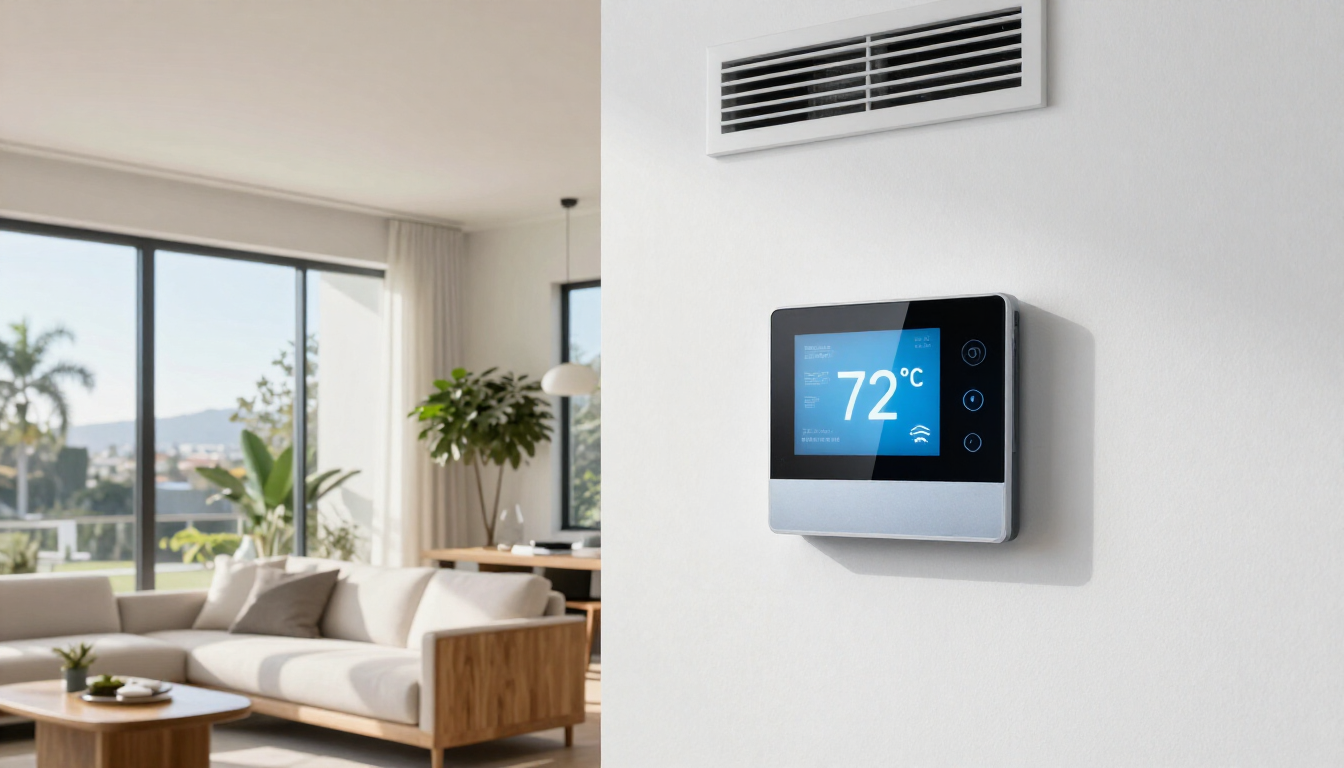
1. Set your thermostat for savings

A programmable or smart thermostat can reduce cooling when everyone is asleep or away. Start with a comfortable setting around 76–78°F when you are home, then raise it several degrees when the house is empty. Avoid repeatedly changing the temperature by large amounts; consistent scheduling is easier on the system.

Helpful thermostat habits include:

  • Use a schedule that matches your household’s actual routine.
  • Keep the thermostat away from direct sunlight, kitchens, and supply vents.
  • Use fan-auto rather than fan-on unless continuous circulation is needed.
  • Check whether your utility offers rebates for qualifying smart thermostats.
  • Adjust gradually and prioritize comfort for children, older adults, and pets.

Smart controls can also reveal unusually long run times, helping you identify a developing HVAC problem early.

2. Replace filters and protect airflow

A dirty filter makes the blower work harder and can reduce cooling performance. Check the filter monthly during heavy-use periods and replace or clean it according to the manufacturer’s instructions. Homes with pets, allergies, or construction dust may need more frequent attention.

Do not automatically choose the most restrictive filter available. A filter that is too dense for your equipment can reduce airflow and increase strain. Use the size and rating recommended by the manufacturer or an HVAC professional.

Keep supply registers open and make sure furniture, curtains, and rugs do not block return grilles. Good airflow helps the system cool evenly without excessive runtime.

When should you schedule AC maintenance?

Schedule professional air conditioning maintenance at least once a year, ideally before the hottest part of the cooling season. A technician can inspect electrical components, measure refrigerant performance, clean coils, check the condensate drain, test airflow, and identify safety or reliability concerns.

Preventive service is especially valuable when your system shows signs such as:

  • Longer cooling cycles than usual
  • Uneven temperatures between rooms
  • Weak airflow from vents
  • Strange sounds or odors
  • Water around the indoor unit

Routine maintenance does not guarantee that a system will never fail, but it can help preserve efficiency and reduce avoidable repairs. For related service options, explore NextWave Heating and Air’s cooling services .

3. Reduce heat entering your home

Your air conditioner has to remove every bit of heat that enters the house. Simple improvements can lower the cooling load before you invest in new equipment.

Close blinds or shades on sun-facing windows during the afternoon. Use light-blocking curtains in bedrooms and west-facing rooms. Seal noticeable gaps around exterior doors, windows, plumbing penetrations, and attic access panels. If your attic insulation is thin or uneven, adding insulation may improve comfort and reduce heat transfer.

Avoid using ovens, dryers, and other heat-producing appliances during the hottest part of the day when possible. Use kitchen and bathroom exhaust fans briefly to remove heat and humidity, but do not leave them running longer than necessary.

4. Check ducts and improve distribution

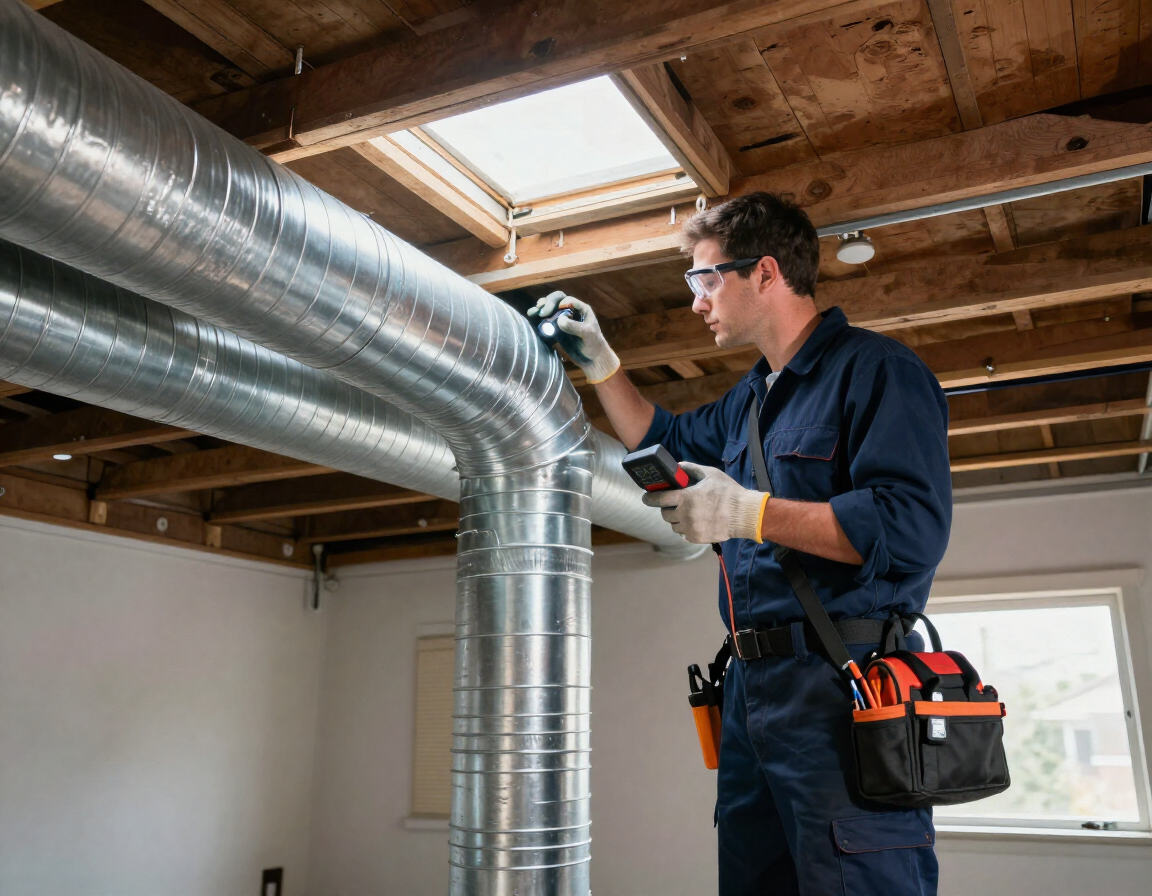
Leaky or poorly insulated ducts can waste cooled air before it reaches living spaces. Duct problems are particularly costly when ducts pass through hot attics, garages, or crawl spaces.

A professional evaluation can identify disconnected joints, crushed sections, inadequate insulation, or excessive pressure. Sealing and insulating accessible ductwork may help rooms cool more evenly and reduce system runtime.

If one area remains hot despite normal equipment operation, do not simply lower the thermostat for the entire house. Ask whether the issue is caused by duct design, insulation, solar exposure, or a zoning opportunity.

HVAC technician inspecting ductwork in a San Diego home

5. Consider a high-efficiency replacement

If your air conditioner is older, needs frequent repairs, or struggles to maintain comfort, replacement may lower long-term operating costs. New systems can offer improved efficiency, quieter operation, better humidity control, and compatibility with smart thermostats.

However, efficiency ratings are only part of the decision. Proper sizing and installation matter just as much. An oversized system may cool quickly but cycle inefficiently and provide weaker humidity control. An undersized system may run constantly during hot weather.

Ask an HVAC contractor to evaluate:

  • Equipment age and repair history
  • Cooling capacity and home size
  • Insulation and duct condition
  • Electrical requirements
  • Available rebates or financing

Compare total ownership cost, not just the equipment’s purchase price. An appropriately sized system installed correctly is more likely to deliver reliable comfort.

6. Use mini-splits for targeted cooling

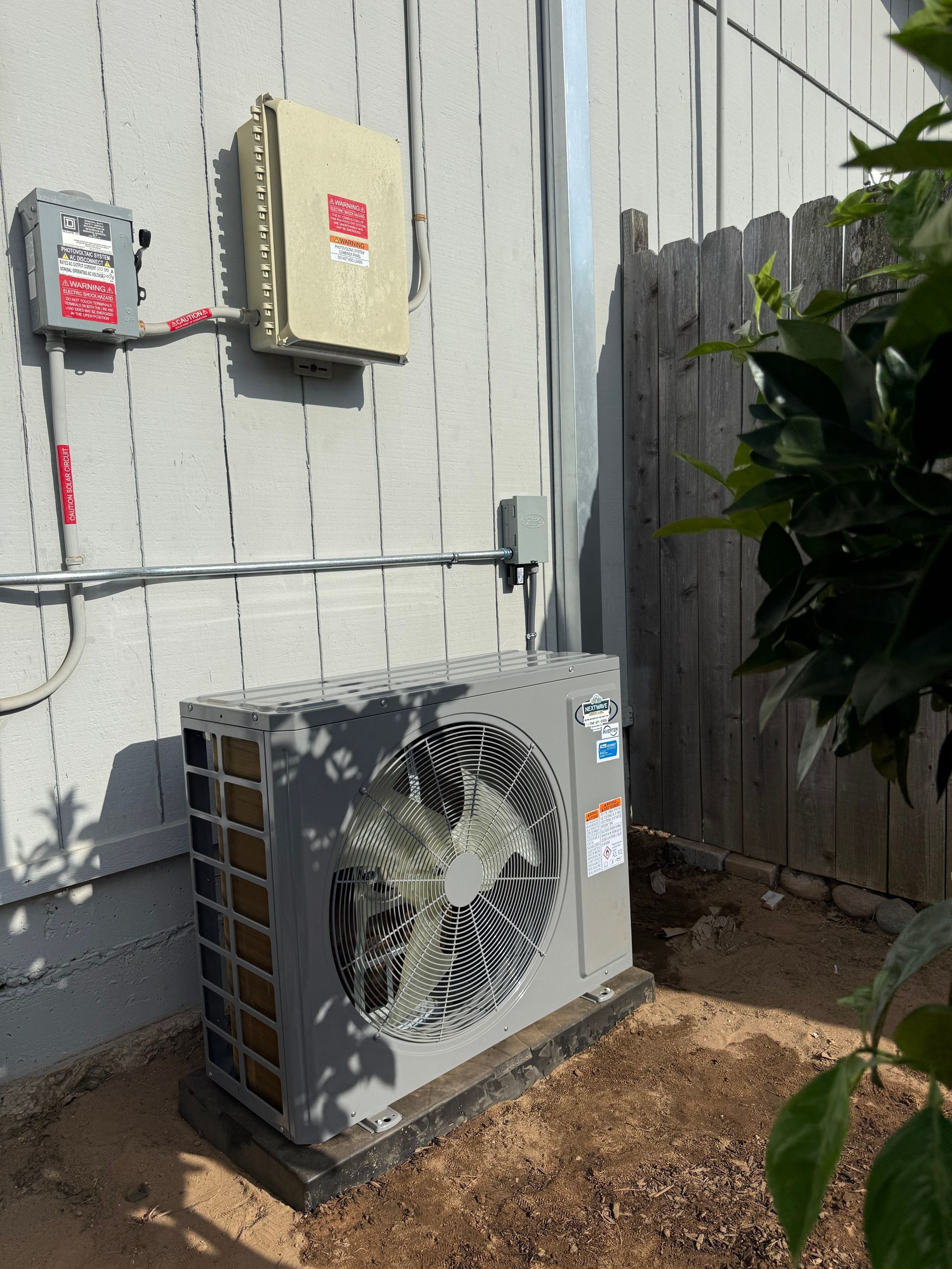
Ductless mini-splits can be useful when you need to cool an addition, converted garage, home office, or room that never feels comfortable. They allow independent temperature control and can avoid the expense of extending existing ductwork.

Mini-splits are not automatically the best solution for every home. Consider outdoor-unit placement, wall-mounted indoor units, maintenance access, and the number of rooms requiring independent control. Review mini-split options when comparing targeted cooling strategies.

Is it cheaper to repair or replace an AC?

Repair is usually the better choice when the system is relatively young, the problem is isolated, and the repair cost is reasonable. Replacement deserves serious consideration when the unit is near the end of its expected service life, requires repeated repairs, uses outdated refrigerant, or produces rising energy bills despite maintenance.

A useful decision process is:

  1. Get a clear diagnosis and written repair estimate.
  2. Ask how long the repair is expected to last.
  3. Compare repair cost with replacement cost and projected energy savings.
  4. Consider comfort, reliability, warranty coverage, and future maintenance.

A professional assessment can help you avoid replacing equipment that still has useful life—or continuing to invest in a system that is no longer economical.

7. Track performance after making changes

Energy-saving improvements work best when you measure the result. Record your utility usage, indoor temperature, thermostat runtime, and repair history. Compare similar billing periods rather than expecting identical results every month, since weather and occupancy change.

After maintenance or an upgrade, watch for shorter run times, steadier room temperatures, stronger airflow, and fewer emergency calls. If your bill remains unusually high, request an inspection instead of continuing to lower the thermostat.

What is the fastest way to lower AC costs?

The fastest low-cost steps are replacing a dirty filter, raising the thermostat slightly, blocking afternoon sun, keeping vents clear, and scheduling an efficiency inspection. These actions can reduce unnecessary runtime without committing to a major renovation.

For larger savings, evaluate duct sealing, insulation, smart controls, or high-efficiency equipment based on your home’s specific conditions. You can request an instant quote or contact NextWave Heating and Air to discuss your options in San Diego County.

Final takeaway

To lower AC bills in San Diego, begin with practical changes: use a consistent thermostat schedule, replace filters, protect airflow, block solar heat, and maintain the equipment annually. If costs stay high, investigate duct leaks, insulation, sizing, and equipment age before choosing a replacement. Targeted solutions such as mini-splits can help rooms with unique cooling needs, while a properly sized high-efficiency system may deliver better long-term value. Start by reviewing your recent bills and system performance, then compare repair, maintenance, and upgrade options with a qualified local HVAC professional.

Recent Posts

Technician performing fall HVAC maintenance at a San Diego home
October 29, 2026
Prepare your San Diego home for cooler nights with five practical fall HVAC maintenance tips, from filter changes to heating inspections and indoor air quality.
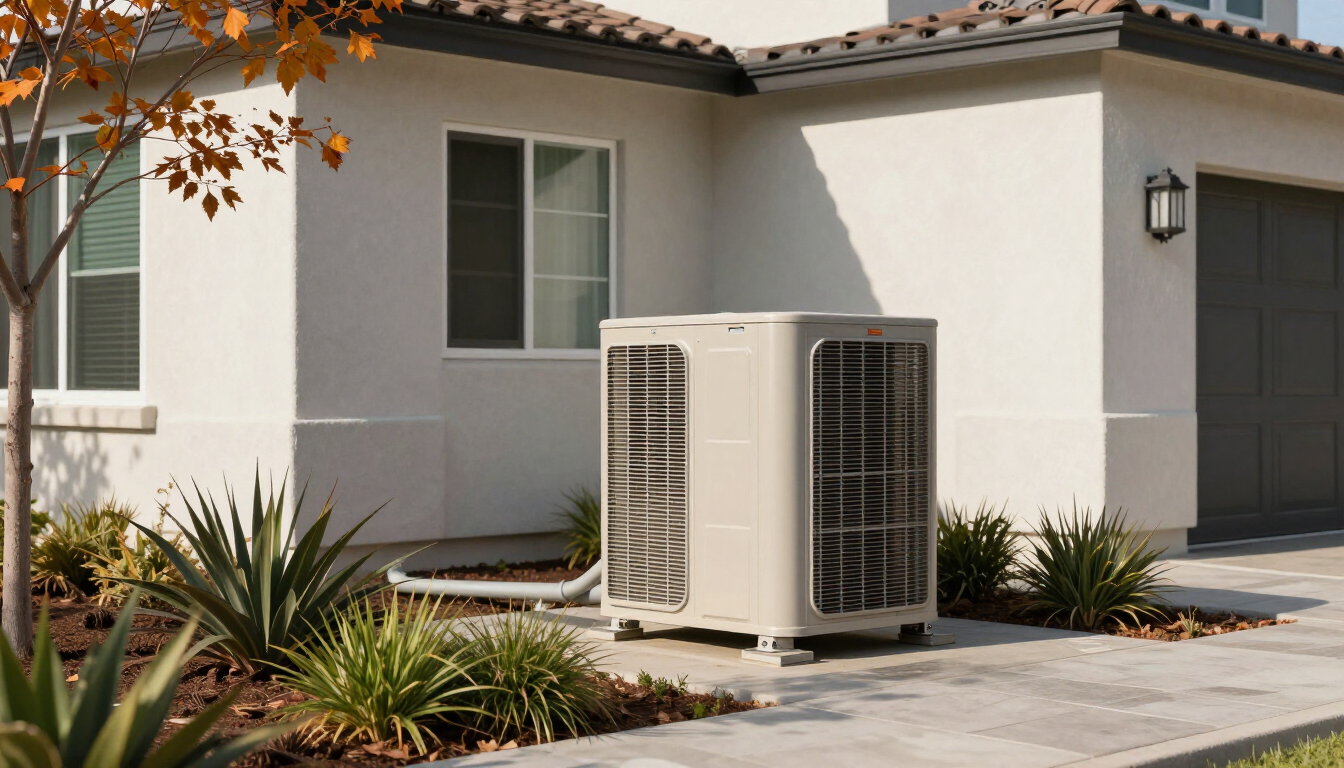
Heat pump outdoor unit helping a San Diego home save energy
October 22, 2026
Learn how a heat pump heats and cools your San Diego home, works in cold and warm weather, and can lower energy costs compared with traditional systems.
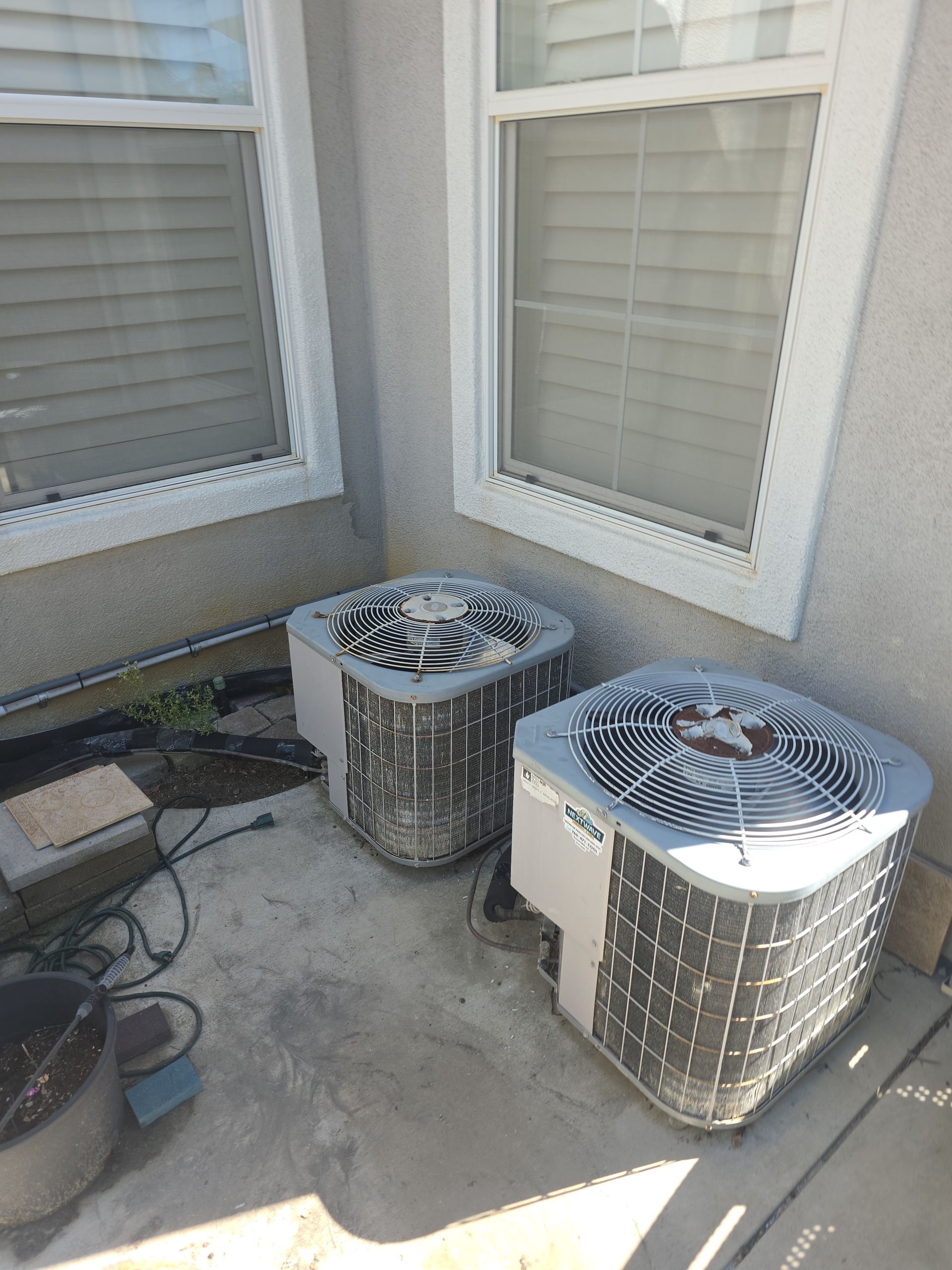
HVAC maintenance in San Diego on a residential air conditioner
October 19, 2026
Learn how HVAC maintenance in San Diego helps prevent breakdowns, improve efficiency, and keep your home comfortable through changing coastal and inland weather.
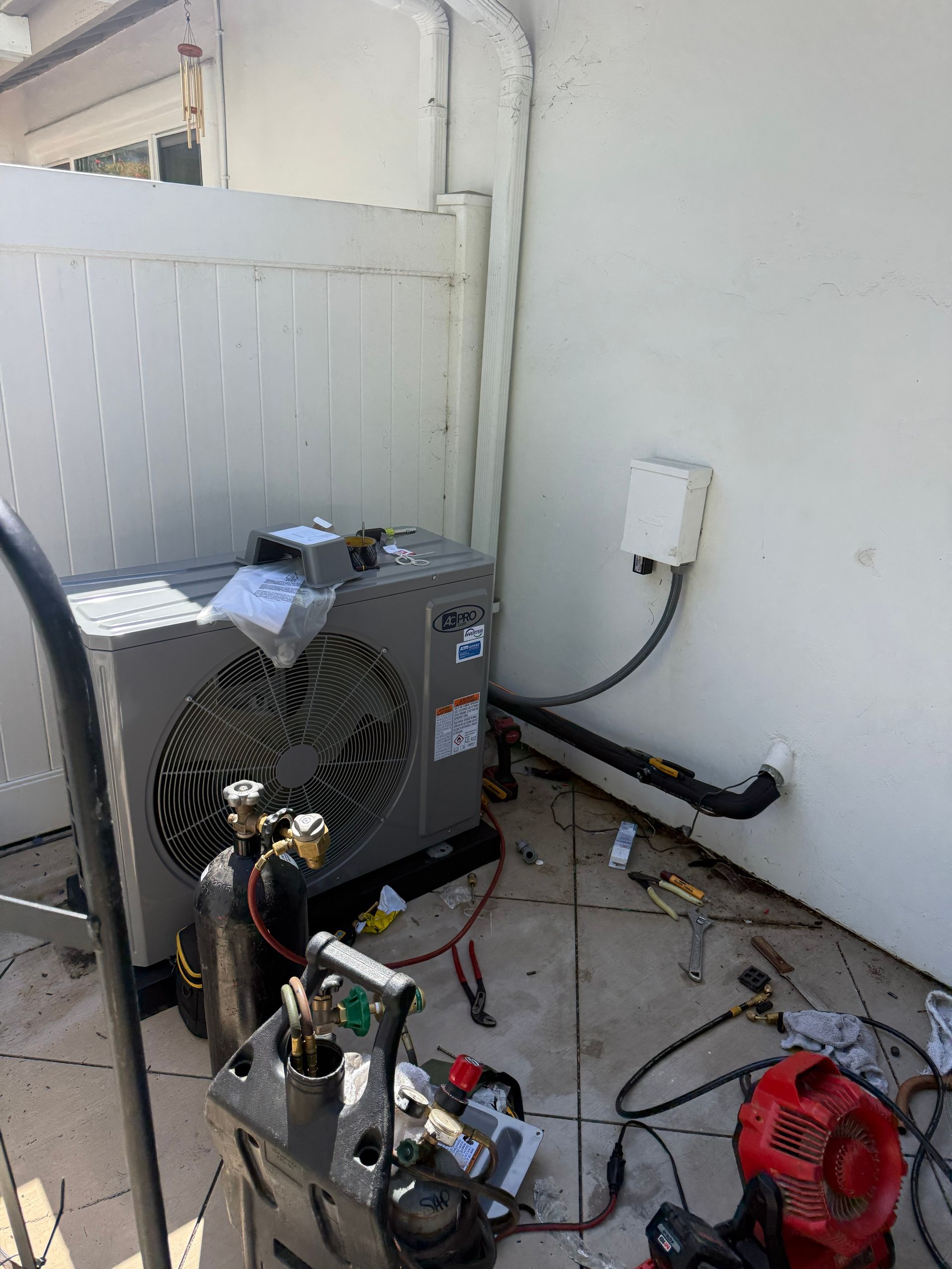
Furnace preparation before cold weather
October 6, 2026
Furnace preparation tips for San Diego County homeowners: learn what to check, when to schedule service, and how to avoid a cold-night breakdown.
HVAC maintenance inspection for a San Diego home
September 30, 2026
Learn why HVAC maintenance matters even when your system seems fine—and how preventive service can improve comfort, efficiency, air quality, and reliability in North San Diego homes.
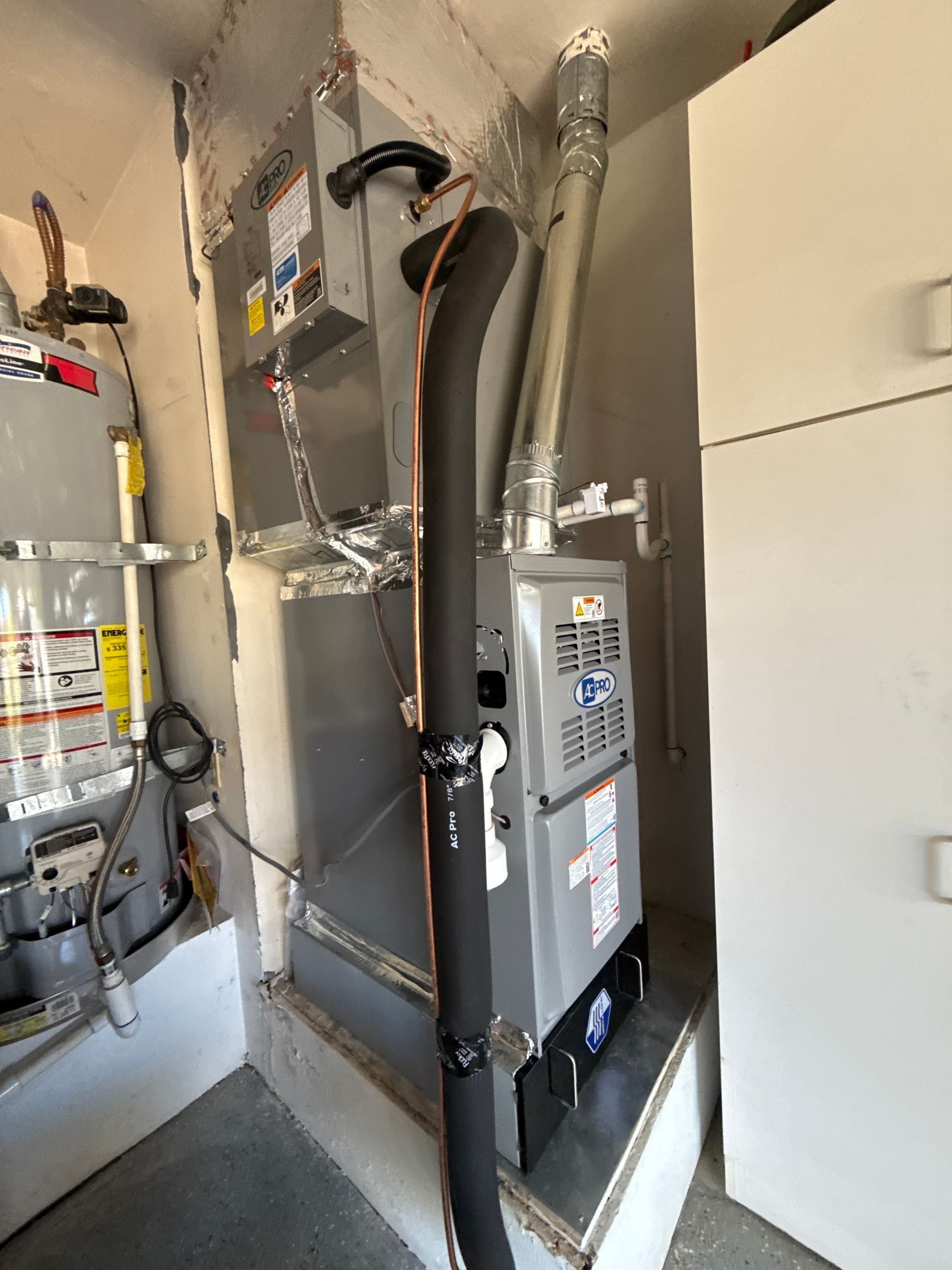
Fall HVAC tips: technician preparing a California home system
September 23, 2026
Prepare your San Diego County home for fall with seven practical fall HVAC tips, from tune-ups and filter changes to thermostat settings and indoor air quality.
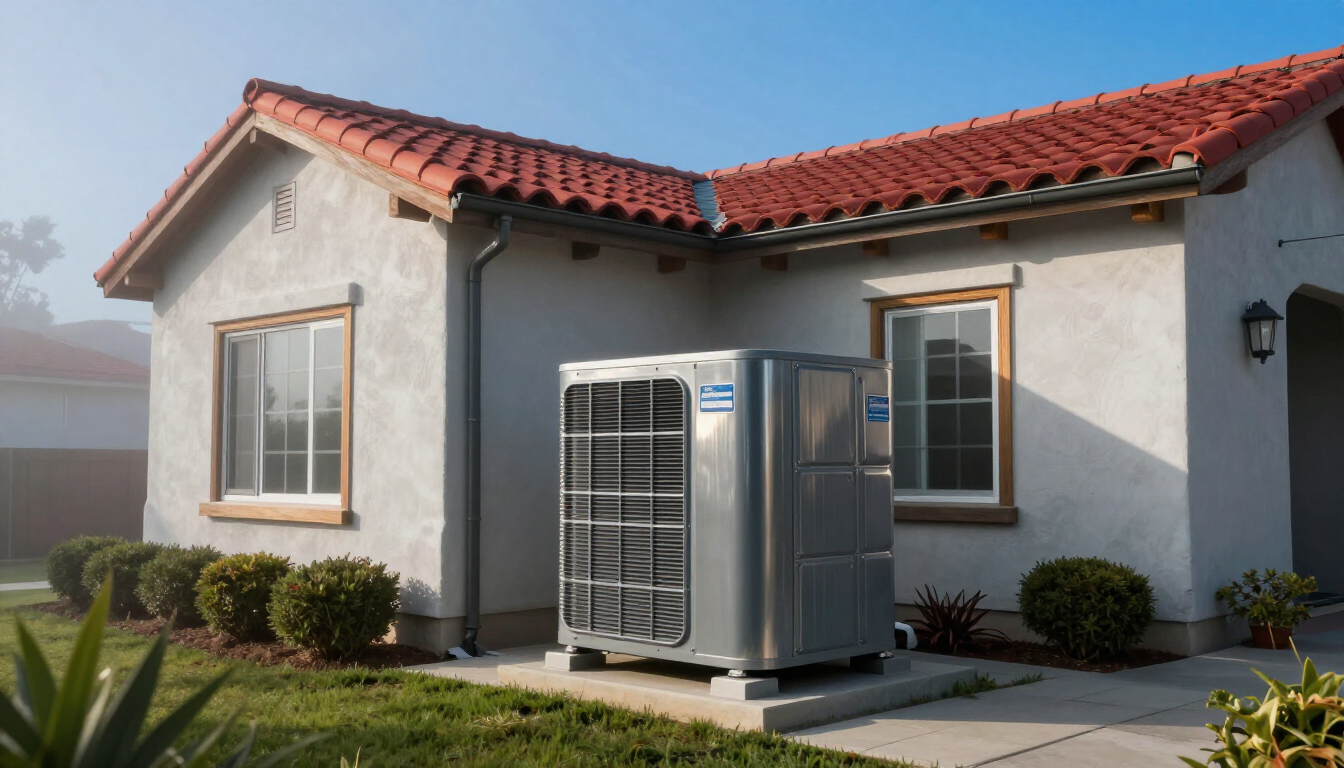
A modern HVAC unit outside a San Diego home.
July 27, 2026
Is your HVAC system making weird sounds? Learn which rattles, squeals, and buzzes require immediate repair to avoid costly breakdowns and safety hazards.
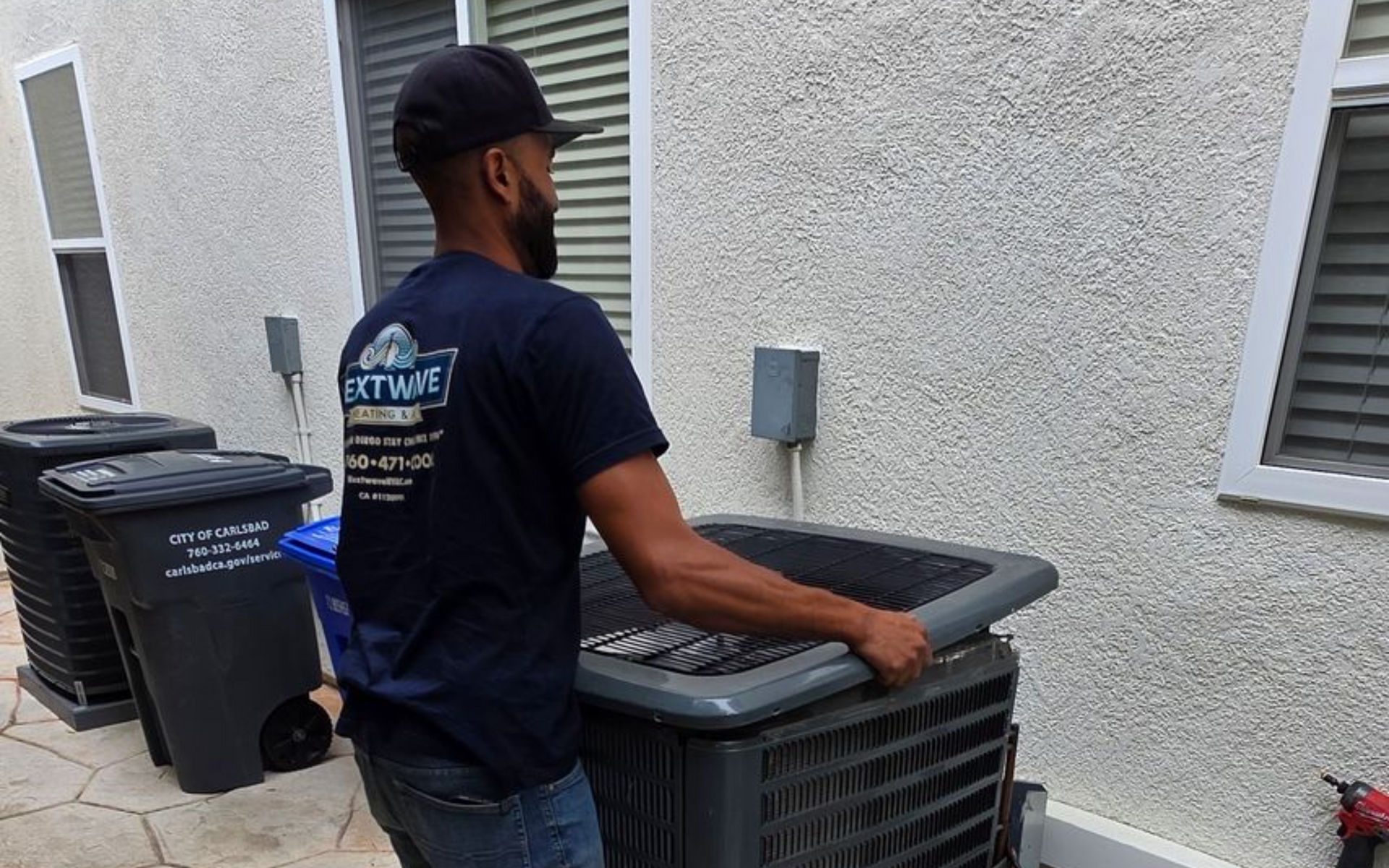
Professional HVAC technician performing a maintenance check on a residential unit.
July 10, 2026
Learn why regular HVAC maintenance checks are essential for San Diego homeowners. Discover how to save money, improve air quality, and prevent breakdowns with NextWave.
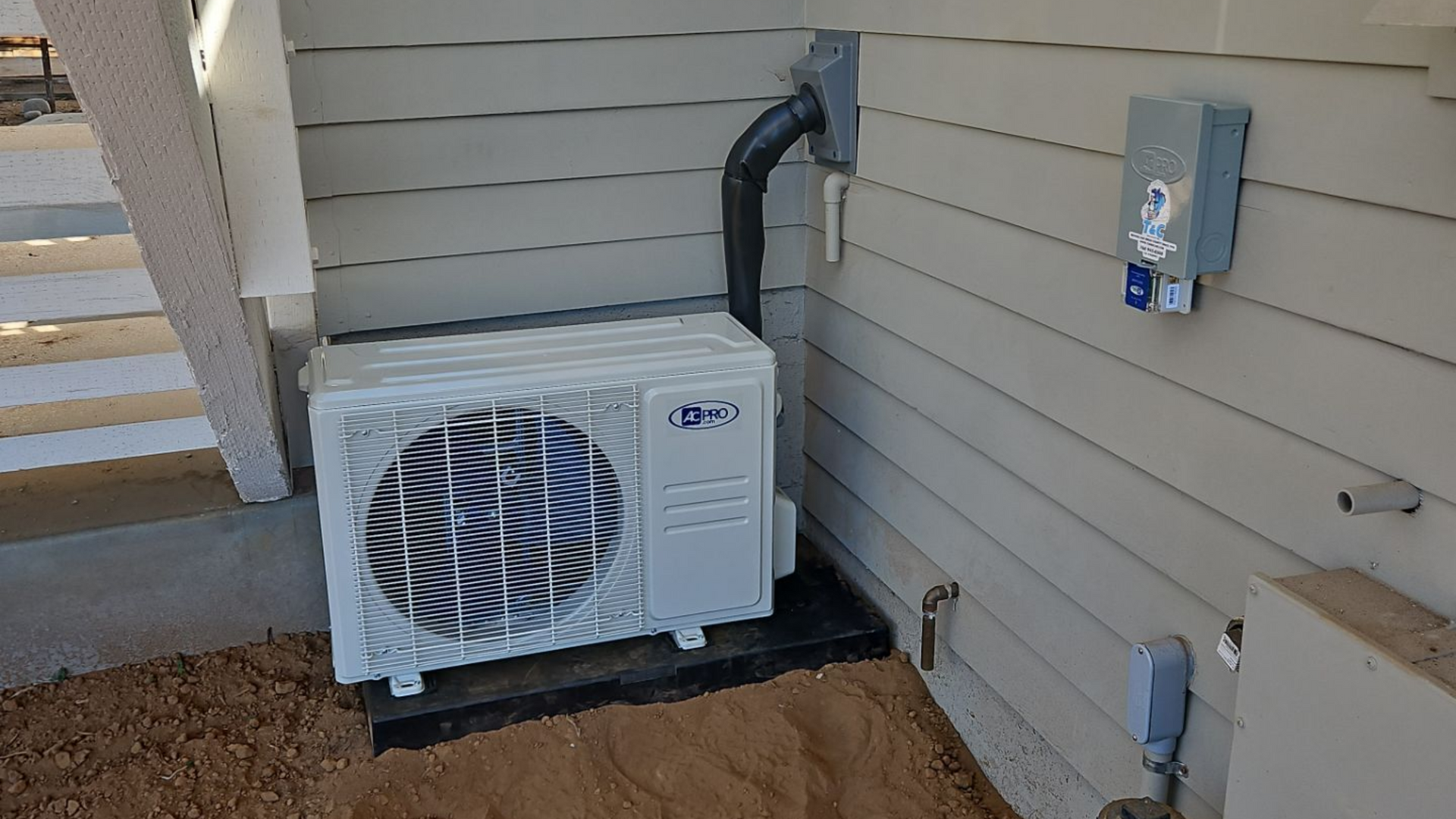
Technician inspecting an air conditioning unit for summer prep.
June 19, 2026
Ensure your San Diego home stays cool. Follow our expert guide to AC maintenance, from simple DIY tips to professional tune-ups with NextWave Heating and Air.
Modern smart thermostat showing energy efficient settings for summer cooling.
June 4, 2026
Discover practical tips to save electricity during summer in San Diego. Learn how to optimize your HVAC, use smart thermostats, and reduce cooling costs effectively.
Show More