5 HVAC System Noises That Require Urgent Action (2026)

July 27, 2026

Share this article

Weird HVAC system noises like screeching, banging, or persistent buzzing usually signal mechanical failure, loose parts, or electrical issues. If your unit sounds abnormal, turn it off immediately and call a professional to prevent expensive compressor damage, motor failure, or hazardous electrical fires in your home.

What do different HVAC system noises mean?

When your home is quiet, the subtle hum of a working HVAC system is almost comforting. It represents a climate-controlled environment where you can relax. However, when that hum turns into a rhythmic thud, a high-pitched squeal, or a frantic rattling, it is your system’s way of screaming for help. Understanding these auditory cues is essential for every homeowner in San Diego. These sounds are rarely just "old age" quirks; they are often early warning signs of a total system breakdown. Ignoring a strange sound today could mean a complete lack of Cooling during the next coastal heatwave or a failure of your Heating system during a chilly winter night.

Different noises correlate to specific mechanical or electrical components. For example, a sharp metal-on-metal sound usually points to a failing fan blade or a loose component in the blower assembly. Conversely, a soft hissing might indicate a refrigerant leak, which is not just a performance issue but an environmental and health concern. By learning to translate these sounds, you can communicate more effectively with your technician and potentially save thousands of dollars in avoidable repair costs. At NextWave Heating and Air, we believe that an informed homeowner is the best defense against major home emergencies.

Professional HVAC diagnosis

Common sounds and their causes

Identifying the specific "texture" of the noise is the first step toward a solution. Not all noises are created equal, and some are significantly more urgent than others. Here are the most frequent sounds reported by homeowners and what they typically signify:

  • Rattling: Often caused by loose panels, debris in the outdoor unit, or a failing motor mount.
  • Clicking: Frequent clicking at the start of a cycle usually indicates an electrical issue or a failing relay.
  • Screeching: High-pitched sounds typically stem from a bad fan belt or failing motor bearings.
  • Hissing: Usually the result of air escaping the ductwork or a refrigerant line leak.
  • Banging: A sign that a large component, like a connecting rod or crankshaft, has come loose.

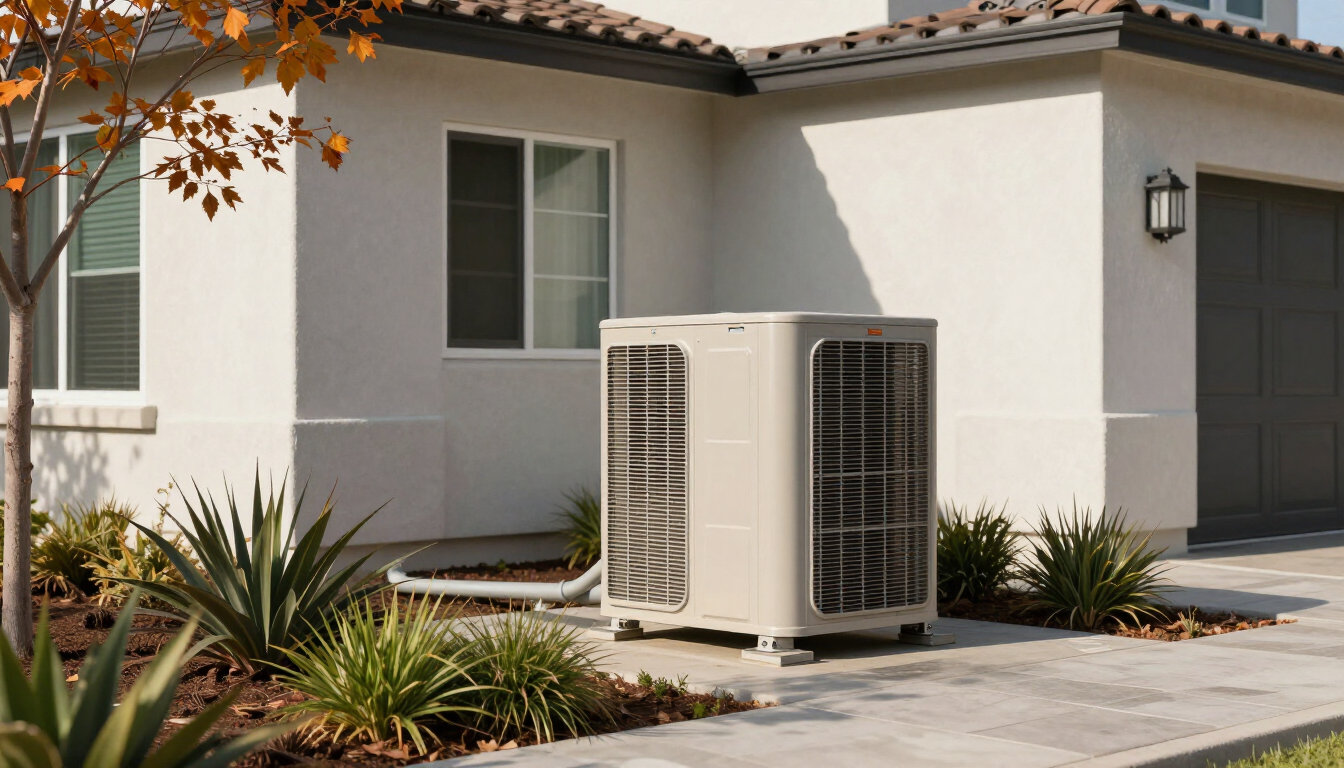
If you notice any of these, the first thing you should do is check for obvious external obstructions. Sometimes a stray branch or a piece of gravel has lodged itself in the outdoor condenser. If the exterior is clear but the noise persists from within the unit, it is time to seek professional intervention. Our team at NextWave Heating and Air specializes in rapid diagnostics, ensuring that a small rattle doesn't turn into a catastrophic failure. You can learn more about our approach on our About us page.

Why is my HVAC making a loud banging noise?

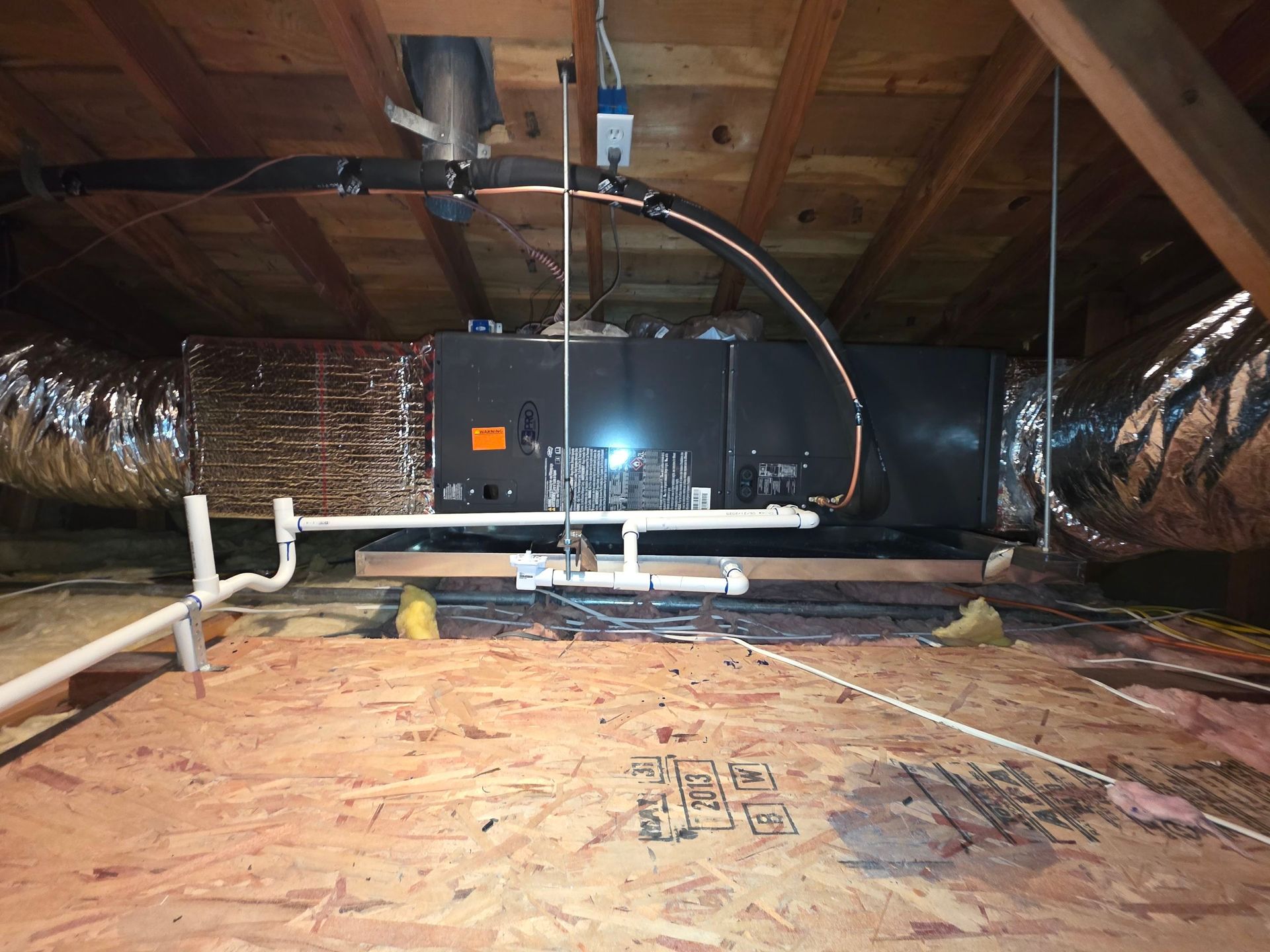
A loud banging or clanking sound is perhaps the most alarming noise an HVAC system can produce. It often sounds like someone is hitting the side of your furnace or outdoor unit with a hammer. In most cases, this sound indicates that a part has become disconnected or is severely out of balance. Inside the compressor, a banging sound might mean a connecting rod, piston pin, or crankshaft has failed. Because the compressor is the "heart" of your air conditioner, a failure here is a major event.

If the banging is coming from your indoor blower unit, it might be a sign that the blower wheel has come loose from its housing and is striking other components as it spins. This is an urgent matter; the centrifugal force of a spinning blower wheel can cause significant internal damage if it breaks free entirely. Banging can also be caused by "oil canning" in your ductwork, where the pressure changes cause the metal ducts to pop in and out. While less dangerous than a failing compressor, it still indicates an airflow imbalance that needs to be addressed to maintain efficiency.

Loose internal components

Understanding squealing and whistling sounds

Squealing is a sound that usually starts off faint and grows louder over time. In older systems, this is frequently the result of a fan belt that has become frayed or stretched. Much like a belt in a car engine, the HVAC belt must maintain specific tension to turn the blower fan. When it slips, it creates a piercing squeal. While replacing a belt is a relatively inexpensive repair, letting it snap can lead to the blower motor overheating, which is a much pricier fix.

Whistling, on the other hand, is usually an airflow issue. If your system is whistling, it’s often trying to pull air through a space that is too small. This could be a sign of:

  1. A heavily clogged air filter that is starving the system of air.
  2. Closed or obstructed return vents in your living spaces.
  3. Ductwork that is undersized for the capacity of your new high-efficiency unit.
  4. Leaks in the plenum where the unit connects to the ducts.

Whistling shouldn't be ignored because it indicates that your system is working much harder than it needs to. This extra strain leads to higher energy bills and a shorter overall lifespan for your equipment. If you’ve changed your filters and the whistle remains, it's time to Contact us for a professional airflow assessment.

Is a buzzing sound in my AC dangerous?

Buzzing is a sound that homeowners often describe as "electrical." It might sound like a swarm of bees or a low-frequency hum. While a light hum is normal for an energized transformer, a loud or erratic buzzing is a red flag. It often indicates an electrical malfunction, such as a failing contractor, a loose wire, or a capacitor that is reaching the end of its life. Electrical issues are inherently dangerous because they can lead to short circuits or, in extreme cases, electrical fires.

In some instances, a buzzing sound occurs when the fan motor is trying to start but is stuck. This causes the motor to draw excessive current, creating a vibration that manifests as a buzz. If you hear this, you should shut the system down at the thermostat or the circuit breaker immediately. Continuing to run a "buzzing" motor will eventually burn out the windings, requiring a full motor replacement. At NextWave Heating and Air, we prioritize electrical safety during every service call, ensuring all connections are tight and components are operating within their specified voltage ranges.

Happy family in quiet home

Essential steps for emergency HVAC repair

When your HVAC system begins making a noise that sounds like a disaster in progress, you need to act quickly. Following a structured protocol can help minimize damage and ensure the safety of your household. We recommend the following steps for any homeowner facing a noisy HVAC emergency:

  1. Power Down: Immediately turn off the system at the thermostat. If the noise is electrical or involves heavy banging, shut off the dedicated breaker in your electrical panel.
  2. Visual Inspection: Check the outdoor unit for visible debris like branches or trash. Do not attempt to open the unit or reach inside while it is powered.
  3. Check Filters: Verify that your air filters are clean. A restricted filter can cause various pressure-related noises.
  4. Document the Sound: Note the type of sound (grinding, clicking, etc.) and where it seems to be coming from. This helps your technician diagnose the issue faster.
  5. Call the Experts: Reach out to a licensed professional to perform a diagnostic check.

Taking these steps prevents a "domino effect" where one failing part destroys another. For instance, a vibrating fan motor can eventually shake the refrigerant lines loose, leading to a leak that is far more difficult and expensive to repair than a simple motor mount tightening.

How can I prevent weird HVAC noises?

Prevention is always better—and cheaper—than a cure. The vast majority of "scary" HVAC noises are the result of neglected maintenance. Over time, screws loosen, belts wear thin, and dust accumulates on sensitive components. A regular maintenance schedule is the most effective way to ensure your system remains quiet and efficient year-round. During a standard tune-up, a technician will tighten all electrical connections, lubricate moving parts, and inspect the integrity of the blower assembly and fan blades.

In San Diego, the salt air and humidity can accelerate the corrosion of metal parts, making regular inspections even more critical. By catching a slightly loose belt or a dusty motor before it begins to fail, you extend the life of your investment and enjoy peace of mind. If your system is already making noise, don't wait for it to stop on its own—it won't. Usually, when a noise stops on its own, it’s because the part has finally broken completely, and the system has shut down.

Summary & Takeaways

Strange HVAC noises are your system's primary way of communicating internal distress. Whether it is a rattle, a squeal, or a bang, these sounds indicate that a component is failing or operating under extreme stress. Ignoring these signs can lead to total system failure, high repair costs, and potential safety hazards like electrical fires or refrigerant leaks.

  • Act Fast: Turn off your system the moment you hear an unusual, loud, or persistent noise.
  • Identify the Sound: Different noises (banging, squealing, buzzing) point to different mechanical or electrical issues.
  • Prioritize Maintenance: Regular tune-ups can prevent most noises from ever developing by catching wear and tear early.
  • Consult Professionals: Always hire a licensed technician to handle internal repairs to ensure safety and warranty compliance.

If your home comfort is being disrupted by strange sounds, don't wait for the problem to escalate. Contact NextWave Heating and Air today for a comprehensive system health check.

Recent Posts

Professional HVAC technician performing a maintenance check on a residential unit.
July 10, 2026
Learn why regular HVAC maintenance checks are essential for San Diego homeowners. Discover how to save money, improve air quality, and prevent breakdowns with NextWave.
Technician inspecting an air conditioning unit for summer prep.
June 19, 2026
Ensure your San Diego home stays cool. Follow our expert guide to AC maintenance, from simple DIY tips to professional tune-ups with NextWave Heating and Air.
Modern smart thermostat showing energy efficient settings for summer cooling.
June 4, 2026
Discover practical tips to save electricity during summer in San Diego. Learn how to optimize your HVAC, use smart thermostats, and reduce cooling costs effectively.
By Webster vejano May 15, 2026
Stay Cool and Avoid Costly Breakdowns With These Early Warning Signs From Your HVAC System
By doug January 20, 2026
What if I told you that most systems aren't working the way they were designed and aren't hitting the efficiency ratings that your hvac contractor said it was? It usually comes down to improper airflow. Your Hvac system's airflow is probably the biggest limiting factor for its efficiency and costing you lots of money every year and you probably don't even know it. Let's go over why it's so important and how we can make sure that you Heating and Air conditioning system is working at peak performance!
By doug January 20, 2026
Your HVAC system plays a crucial role in keeping your home comfortable year-round. Whether it's cooling your home during hot summer days or keeping you warm in colder months, regular maintenance ensures your system runs efficiently and reliably when you need it most.
By doug January 20, 2026
As temperatures begin to rise in San Diego , preparing your HVAC system for the summer season is essential to keep your home comfortable and energy-efficient. A little preparation before peak heat arrives can help prevent breakdowns, reduce energy costs, and ensure reliable cooling when you need it most.