Guide: Why HVAC Maintenance Checks Matter in 2026
HVAC maintenance checks are professional inspections of your heating and cooling systems to ensure peak performance. Regular service prevents expensive breakdowns, lowers monthly energy bills, and extends the lifespan of your equipment. For San Diego homeowners, these annual tune-ups are essential for maintaining year-round indoor comfort, safety, and operational efficiency.
Why are regular HVAC maintenance checks important?
Regular HVAC maintenance checks are the backbone of a reliable home comfort system. Much like a car needs an oil change to keep the engine from seizing, your heating and cooling equipment requires professional attention to handle the mechanical stress of constant operation. In San Diego, where we rely heavily on Cooling during the summer and need dependable Heating during chilly coastal nights, the wear and tear on these systems is significant.
Skipping these checks often leads to a "death by a thousand cuts" scenario. Small issues, such as a slightly worn fan belt or a minor refrigerant leak, might not cause a total system failure immediately. However, they force the system to work harder, consuming more electricity and placing undue stress on the compressor and motor. Over time, these minor inefficiencies snowball into major repairs that could have been easily avoided with a standard inspection. Furthermore, most manufacturers require proof of annual maintenance to honor warranty claims. Without a documented history of professional care, a simple component failure could result in a massive out-of-pocket expense for the homeowner.
Beyond the mechanical aspects, maintenance is a matter of safety. Heating systems, particularly gas furnaces, involve combustion processes that must be carefully monitored. A cracked heat exchanger or a blocked flue can lead to carbon monoxide leaks, which are odorless and deadly. A comprehensive maintenance check ensures that all safety sensors and exhaust systems are functioning correctly, providing peace of mind for you and your family.
Key benefits of seasonal system tune-ups
Investing in seasonal maintenance offers a variety of tangible benefits that improve your quality of life and your financial bottom line. When your system is optimized, it runs smoother, quieter, and more effectively.
- Lower Utility Bills: A clean system is an efficient system. When coils are free of debris and motors are properly lubricated, the unit uses less energy to reach your desired temperature.
- Fewer Emergency Repairs: Statistics show that the majority of emergency HVAC calls are for systems that have not been serviced in over a year. Maintenance identifies parts on the verge of failure.
- Extended Equipment Life: High-quality HVAC systems are a significant investment. Maintenance can add 5 to 10 years to the usable life of your unit, delaying the need for a costly replacement.
- Enhanced Indoor Comfort: Maintenance ensures even airflow throughout the home, eliminating hot or cold spots that occur when a system is struggling.
- Better Humidity Control: In San Diego's coastal climate, managing indoor humidity is crucial for comfort and mold prevention. A well-tuned AC unit effectively removes moisture from the air.
How often should you schedule HVAC service?
For the best results, you should schedule HVAC maintenance checks twice a year: once in the spring for your Cooling system and once in the fall for your Heating system. This timing ensures that your equipment is ready for the peak demand of the coming season. If you utilize a Mini Split system for both heating and cooling, a bi-annual check is still recommended because the unit works year-round without a break.
San Diego’s unique geography can also influence your service frequency. If you live directly on the coast, salt air can lead to accelerated corrosion of the outdoor condenser coils. In these cases, more frequent inspections or specialized protective coatings might be necessary to prevent the metal from degrading. Conversely, if you live further inland where dust and brush are more common, your air filters and outdoor units may accumulate debris faster, necessitating more frequent cleaning to maintain airflow.
Many homeowners wonder if they can simply perform maintenance themselves. While homeowners should certainly change their air filters every 1-3 months, the technical aspects of a maintenance check—such as measuring refrigerant pressure, testing electrical capacitors, and cleaning the condensate drain line—require specialized tools and training. Attempting these tasks without the proper knowledge can lead to injury or unintentional damage to the system, potentially voiding your warranty in the process.
What happens during a professional maintenance visit?
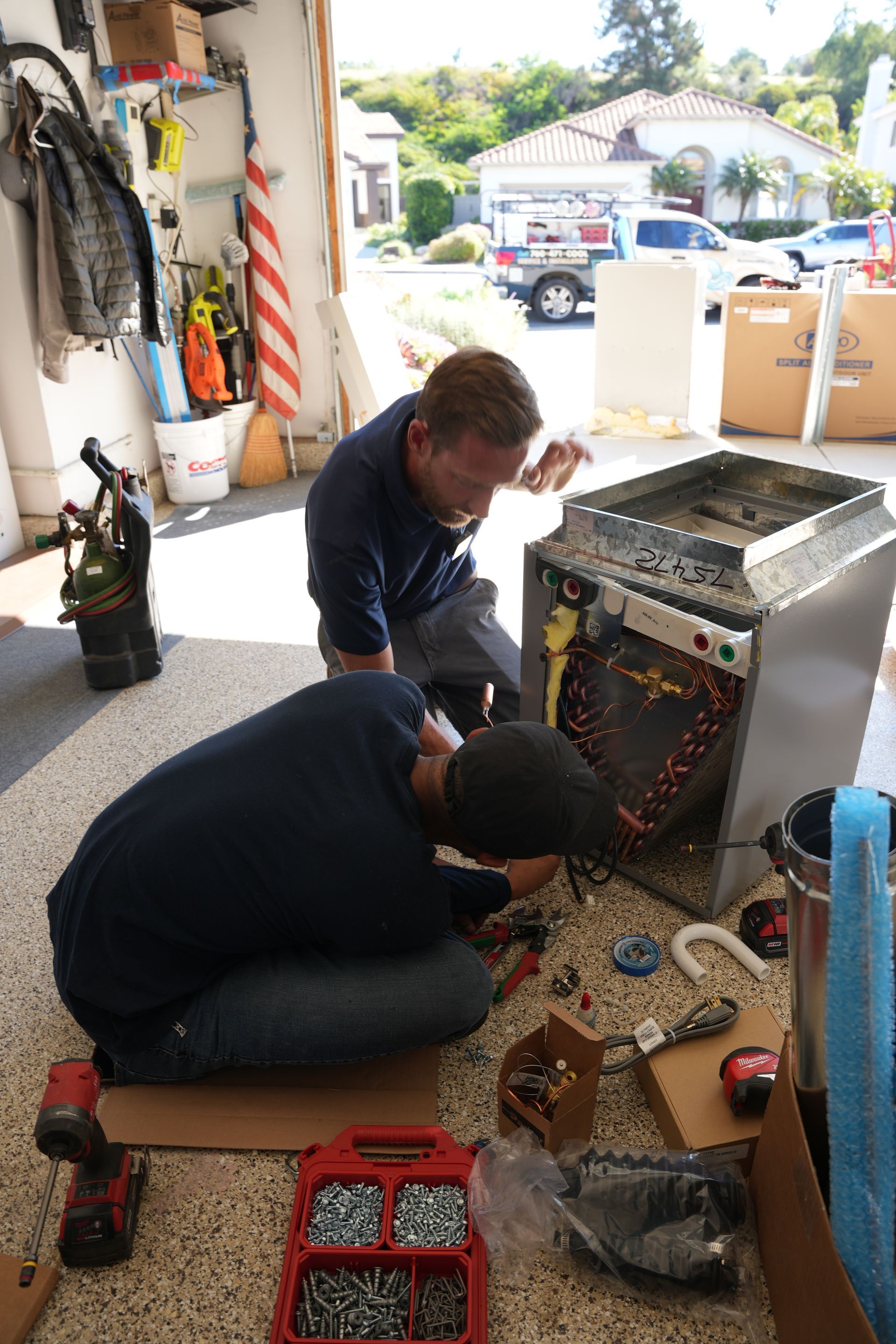
A professional HVAC maintenance check is a comprehensive process that covers every major component of your system. At NextWave Heating and Air, our technicians follow a detailed checklist to ensure nothing is overlooked. Here is a breakdown of what a typical visit includes:
- Electrical Component Inspection: We tighten all wire connections and measure voltage and current on motors. Loose connections can cause dangerous sparks or lead to motor failure.
- Refrigerant Level Check: We verify that the refrigerant charge is at the manufacturer-recommended level. Too much or too little refrigerant forces the compressor to work harder and reduces cooling capacity.
- Coil Cleaning: Both the indoor evaporator coil and the outdoor condenser coil are cleaned. Dirt buildup on these coils acts as insulation, preventing the efficient exchange of heat.
- Condensate Drain Clearing: We inspect the drain line for clogs or algae growth. A blocked drain can cause water to back up into your home, leading to significant water damage.
- Thermostat Calibration: We ensure your thermostat is communicating accurately with your HVAC unit. This is also a great time to discuss upgrading to a smart thermostat for better control.
Maximizing the lifespan of your cooling system
To get the most out of your air conditioner, maintenance must be proactive rather than reactive. The compressor is the heart of your cooling system, and it is also the most expensive part to replace. By ensuring that the system never runs under high-stress conditions—such as with dirty coils or low refrigerant—you protect the compressor from burnout.
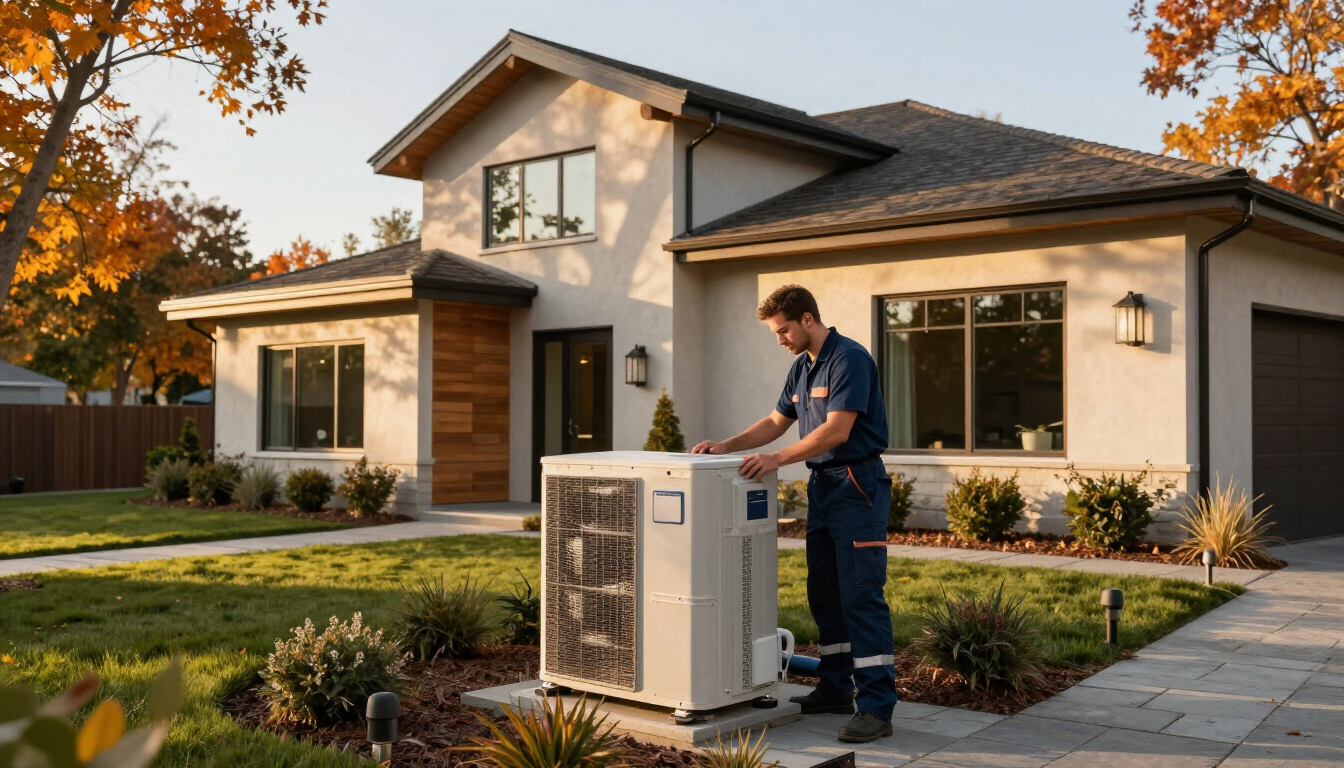
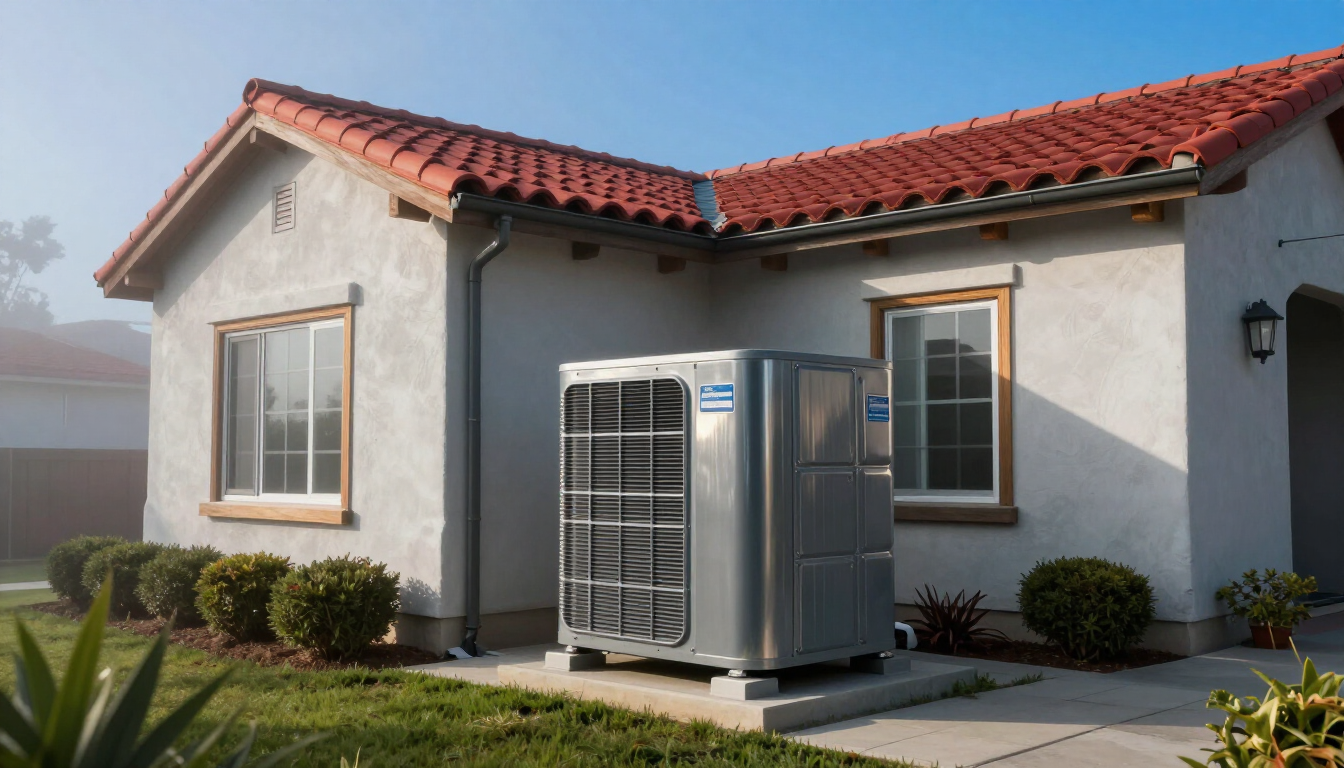
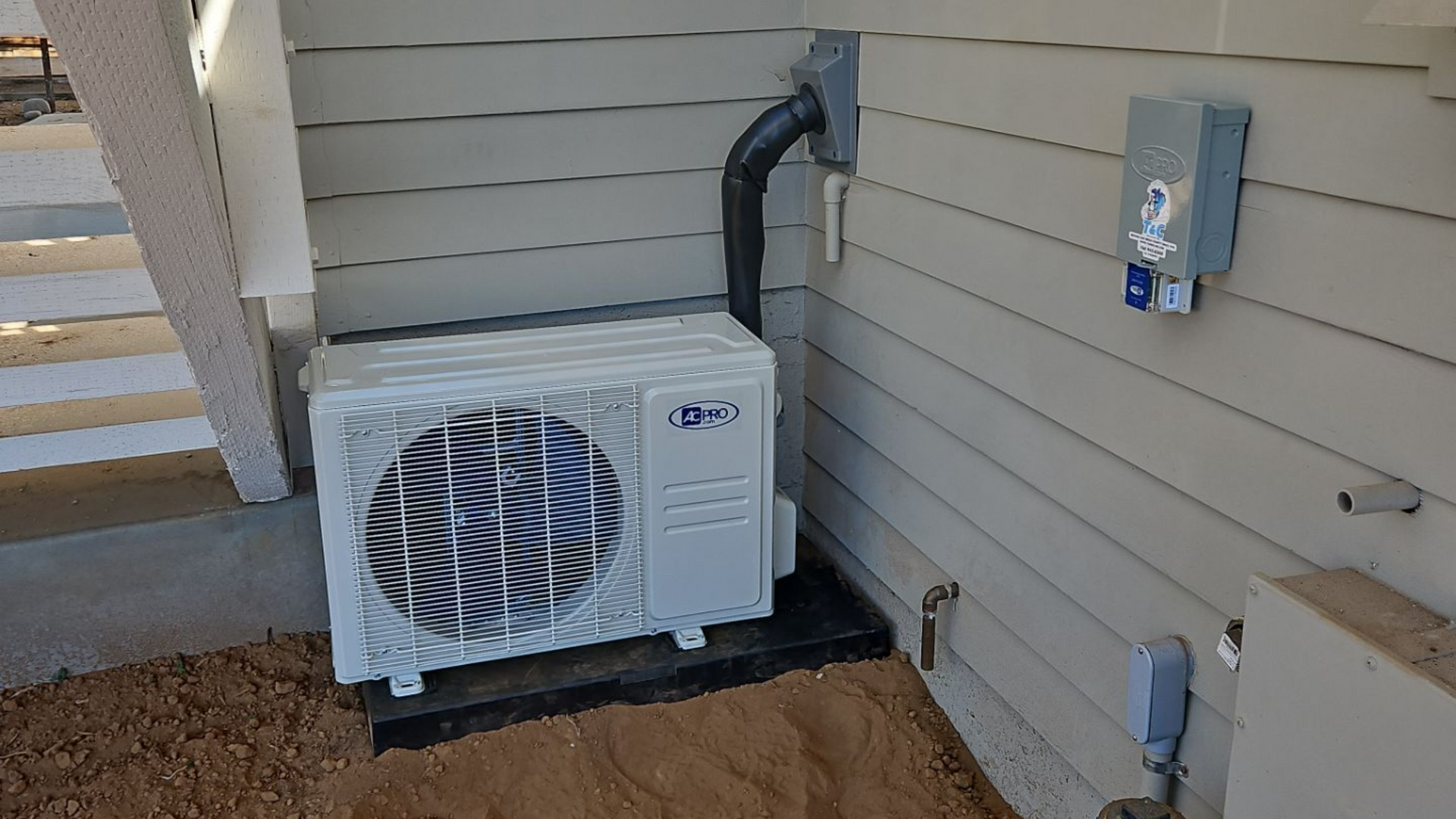
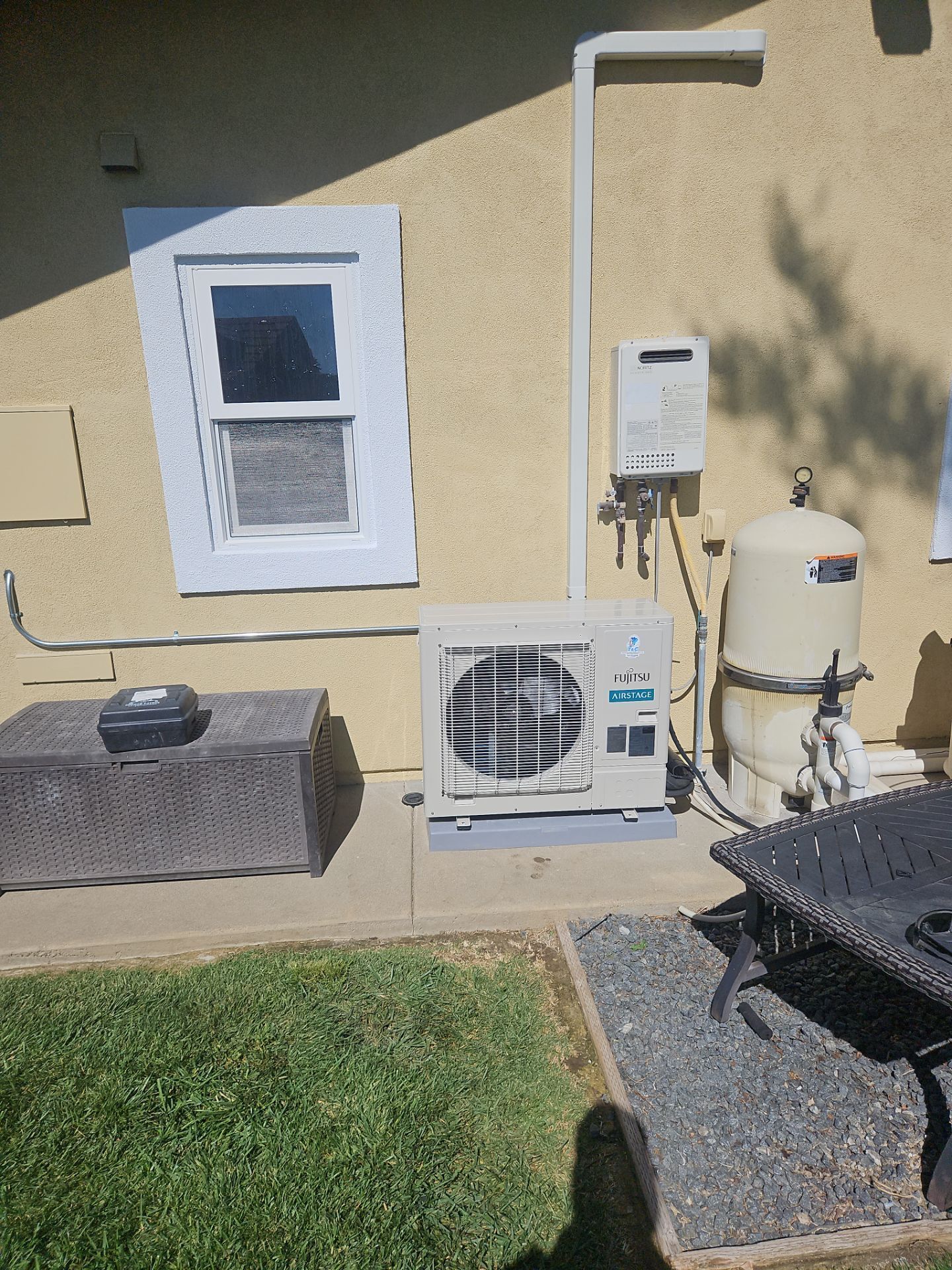
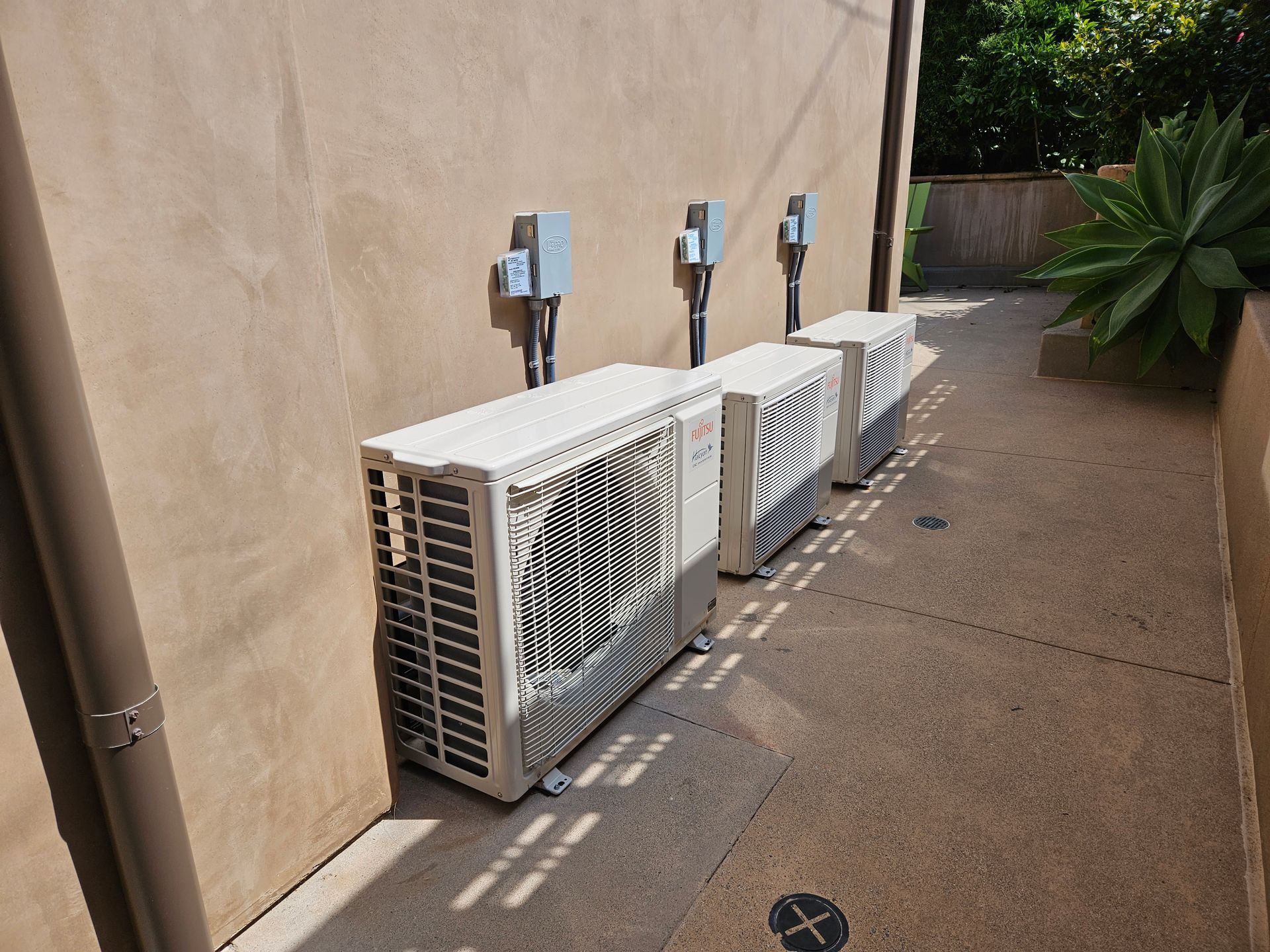
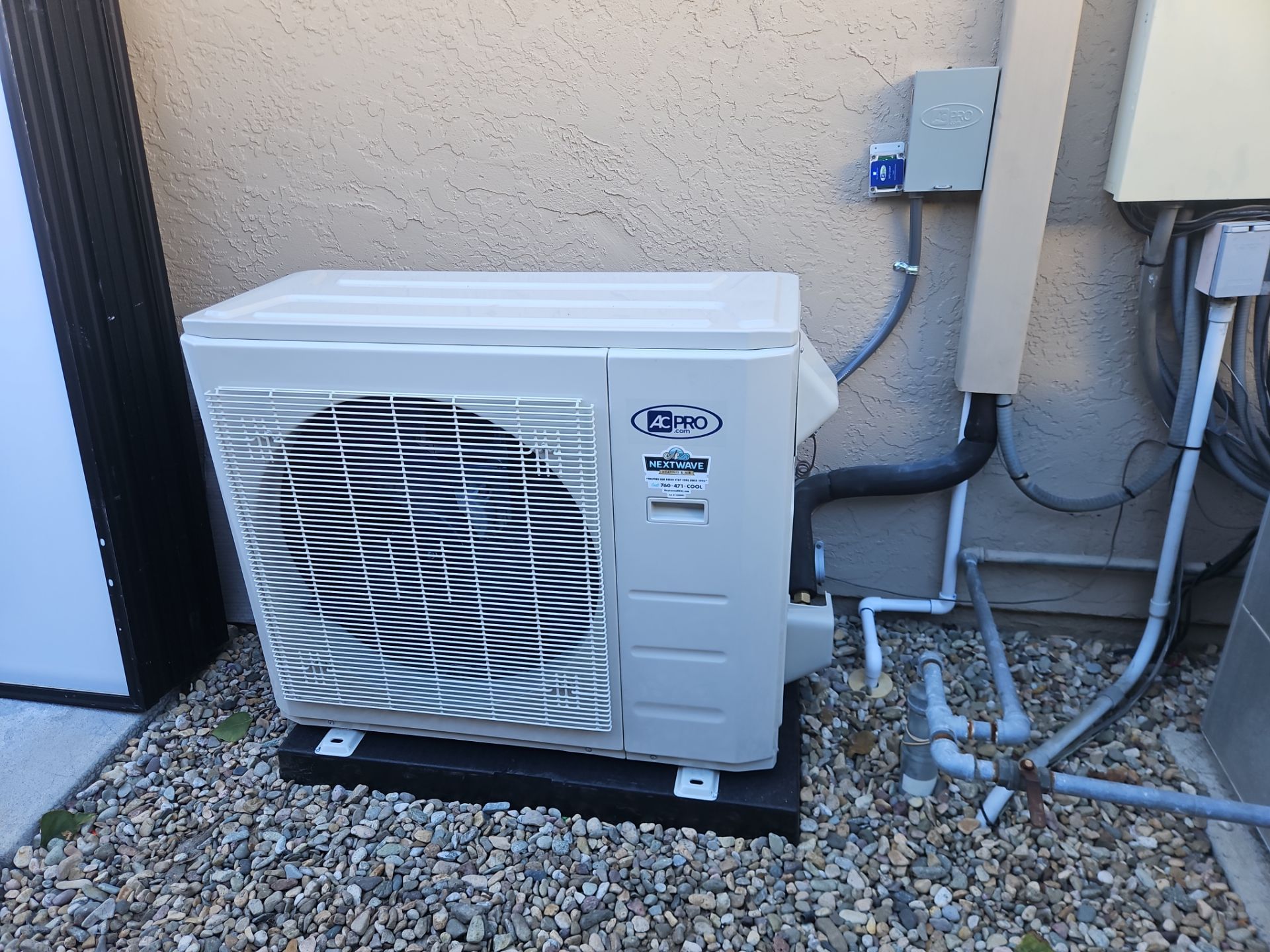
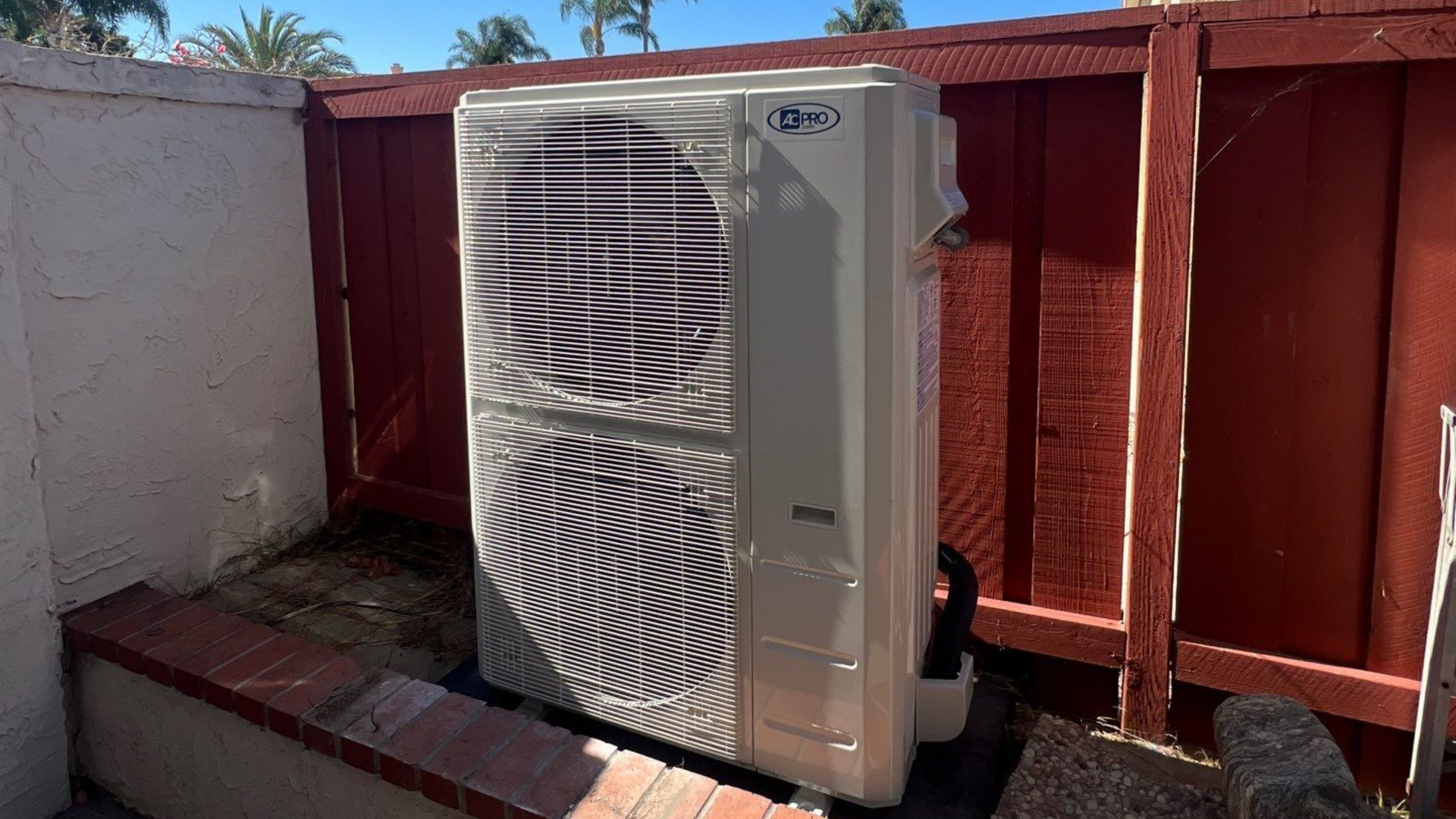
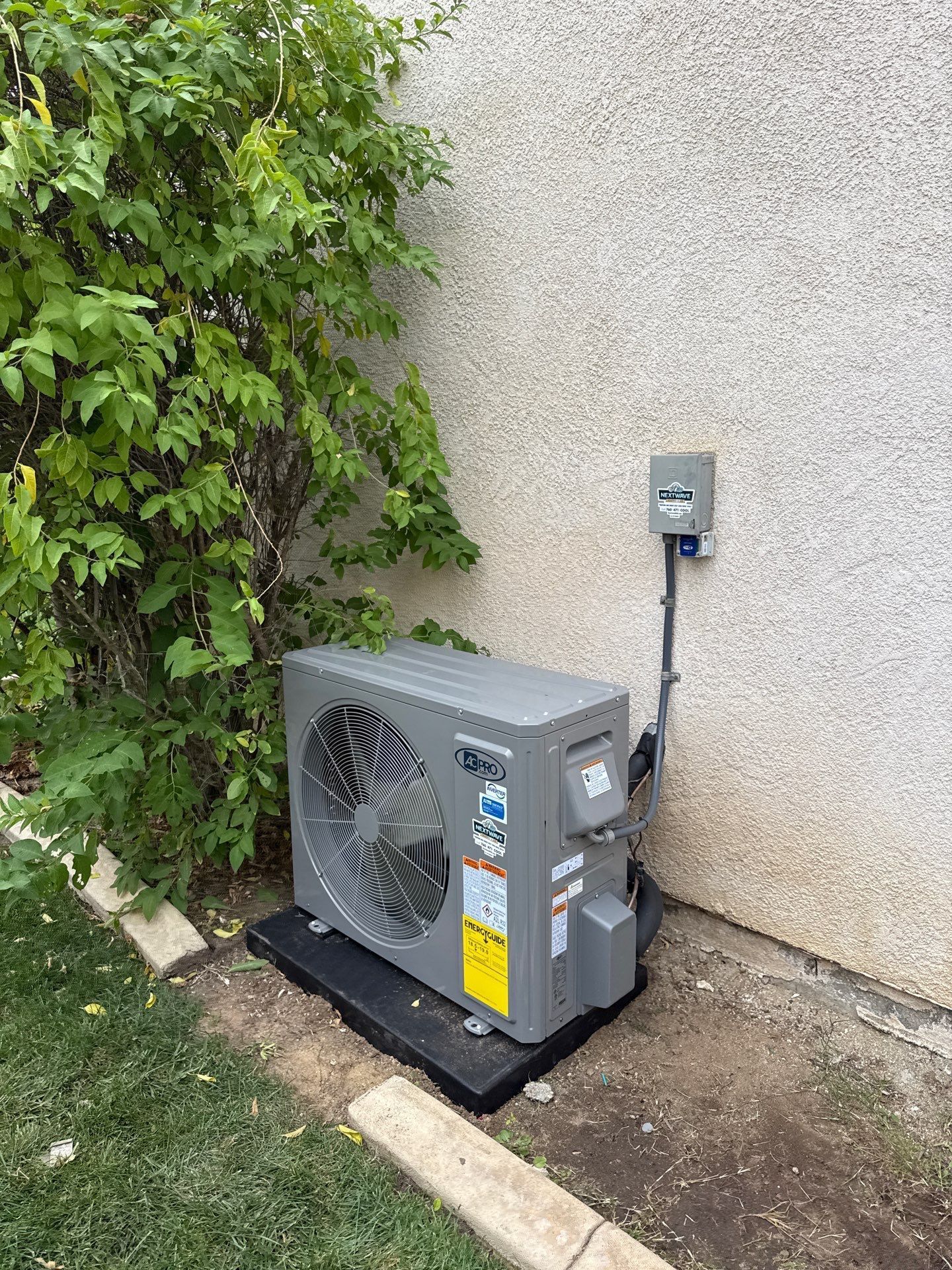
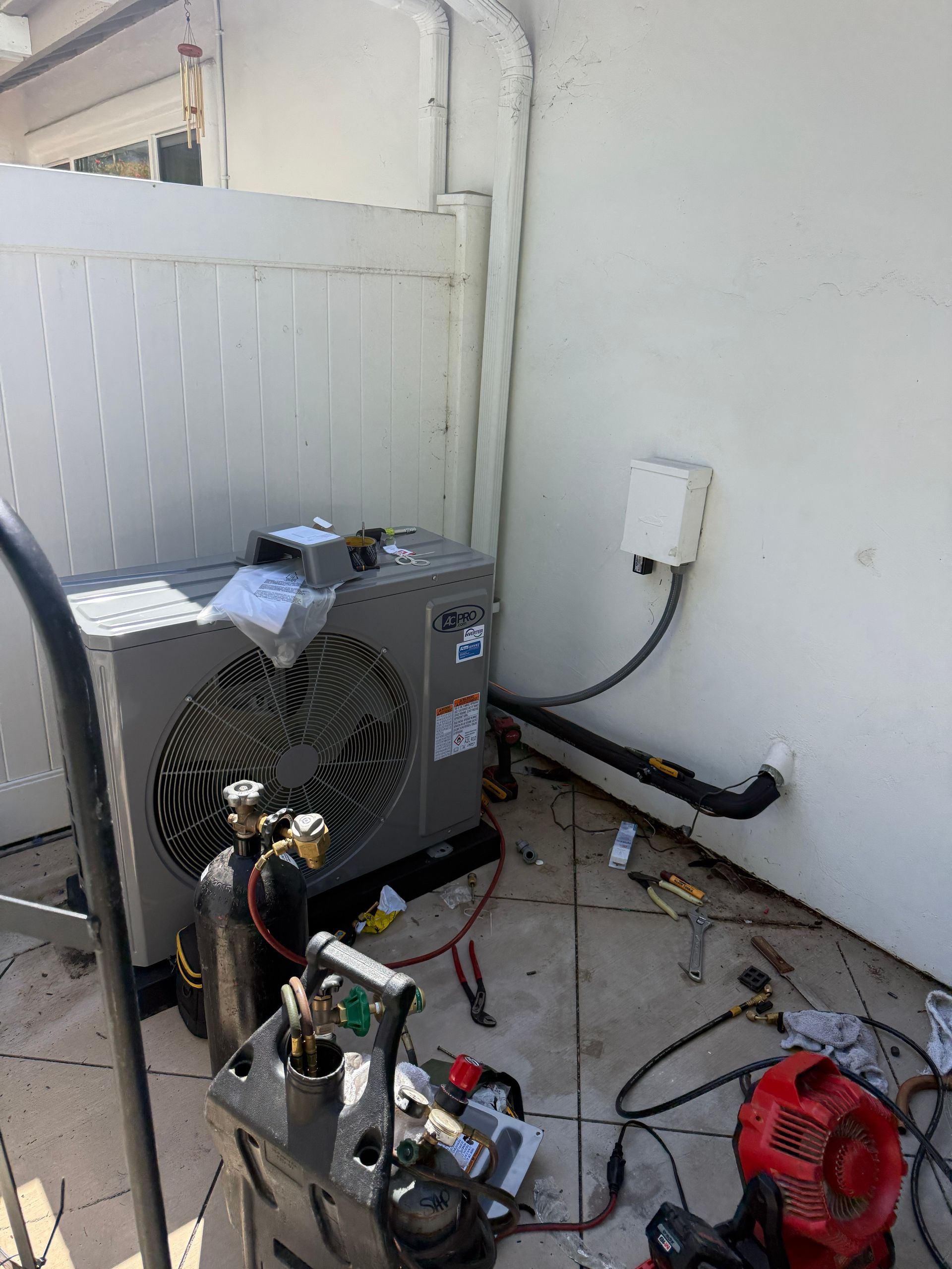
In addition to professional checks, you can help maximize your system's life by maintaining the area around your outdoor unit. Ensure there are at least two feet of clearance around the condenser. Trim back bushes, remove weeds, and keep the area free of decorative items that might restrict airflow. Better airflow means the unit doesn't have to work as hard to reject heat to the outside air. You can see examples of well-maintained installations in our Recent Projects gallery.
Another factor in longevity is the quality of your Indoor Air Quality components. When your air filters are clogged, the blower motor has to work significantly harder to pull air through the system. This creates heat and friction, which leads to premature motor failure. By staying on top of filter changes between professional visits, you are actively extending the life of your indoor unit.
Can maintenance improve your home's air quality?
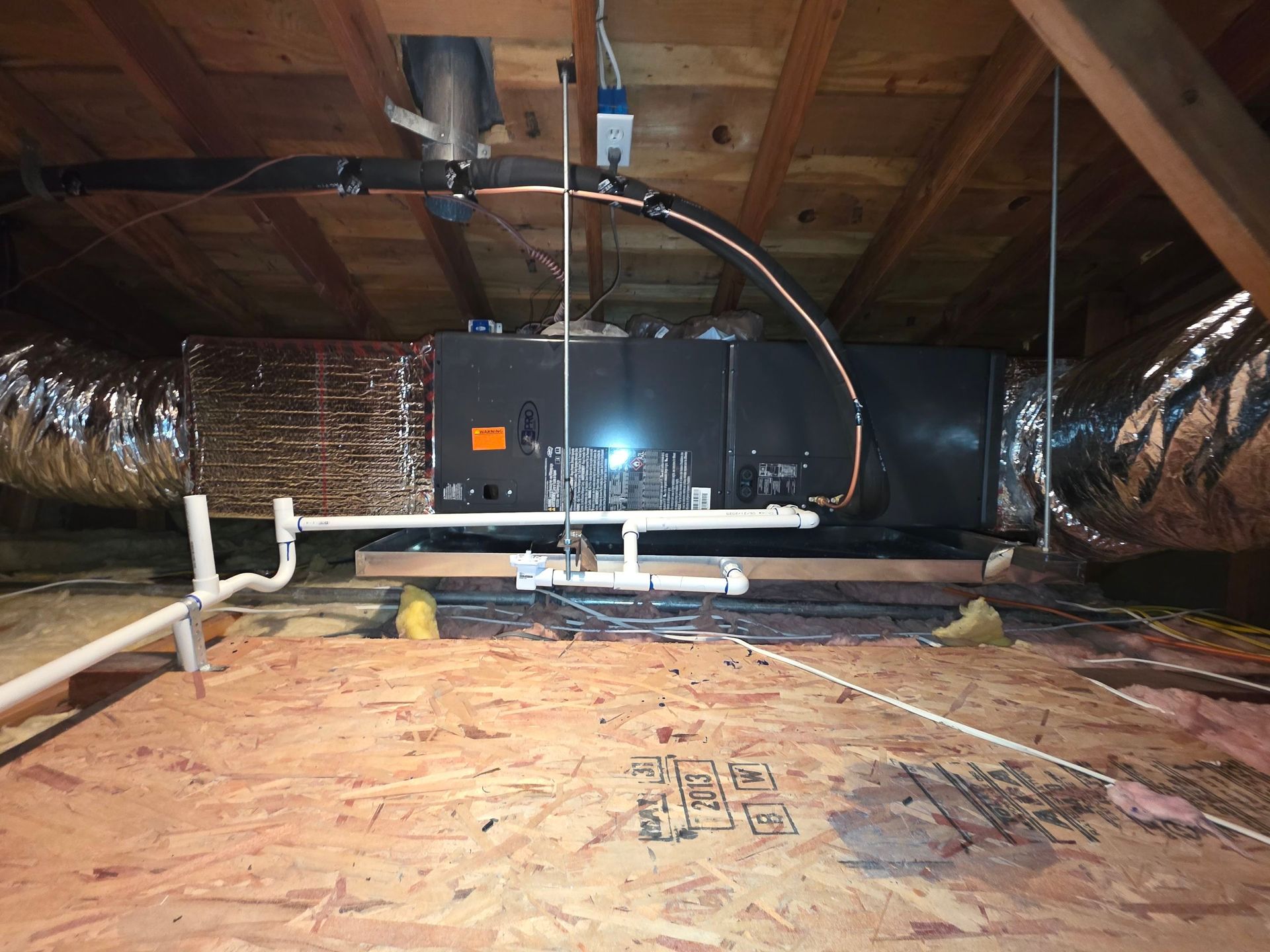
Absolutely. Your HVAC system acts as the lungs of your home. If the internal components of your furnace or air handler are covered in dust, pollen, or mold, that debris is eventually circulated through your living spaces. During a maintenance check, technicians clean the blower assembly and the areas around the coils where moisture often collects. This significantly reduces the amount of biological growth and dust that enters your ductwork.
Improved Indoor Air Quality is particularly important for families with allergies or respiratory issues. A clean system, combined with high-efficiency filtration, can trap microscopic particles that would otherwise irritate the lungs. Furthermore, checking the integrity of your ductwork during a maintenance visit can reveal leaks. Leaky ducts in attics or crawlspaces can pull in dirty, unfiltered air and distribute it throughout your home, bypassing your filters entirely. Sealing these leaks is a key part of maintaining a healthy home environment.
Understanding the return on investment
While there is a cost associated with professional HVAC maintenance checks, the return on investment (ROI) is overwhelmingly positive. If you consider the energy savings alone—often between 5% and 15% on monthly bills—the service often pays for itself over the course of a single season. When you add in the avoidance of a $500 emergency repair or the postponement of a $10,000 system replacement, the financial logic is undeniable.
Furthermore, a well-maintained system adds value to your property. If you decide to sell your home, having a documented history of professional HVAC service is a major selling point for savvy buyers. It demonstrates that the home has been well-cared for and reduces the likelihood of issues appearing during a home inspection. For many homeowners, the ultimate ROI is the
Recent Posts