5 Steps to Get Your AC Ready for Summer 2026

June 19, 2026

Share this article

To get your AC ready for summer, replace your air filters, clear debris from the outdoor condenser unit, check your thermostat settings, and schedule a professional inspection. Taking these proactive maintenance steps ensures high-efficiency performance, prevents unexpected breakdowns during peak California heatwaves, and helps significantly lower your monthly energy costs.

Why is early summer AC maintenance important?

As the temperatures in San Diego County begin to climb, your air conditioning system transitions from an occasional luxury to an absolute necessity. Early maintenance is critical because it addresses small mechanical issues before they spiral into expensive emergency repairs. When a system is neglected, it has to work much harder to achieve the same cooling effect, which puts immense strain on the motor and compressor. This increased workload not only spikes your utility bills but also shortens the overall lifespan of your equipment. By performing a check-up in the spring, you ensure that your system is operating at peak capacity before the first major heatwave hits.

Furthermore, the air quality inside your home is directly tied to the state of your HVAC system. Over the winter and spring months, dust, pollen, and pet dander can accumulate within the ductwork and on the internal coils. When you switch the AC on for the first time, these particles are circulated throughout your living spaces. Proper preparation involves cleaning these components to ensure the air your family breathes is clean and healthy. For those interested in deeper filtration, exploring our Indoor Air Quality solutions can provide even greater peace of mind during the dusty summer months.

Finally, early preparation gives you the gift of time. If a technician discovers that a specific part needs to be ordered, it is much better to find out in April than in the middle of a triple-digit July afternoon. Demand for HVAC services skyrockets during the peak of summer, and wait times can increase significantly. Getting ahead of the curve ensures your comfort is never compromised and that you remain in control of your home environment.

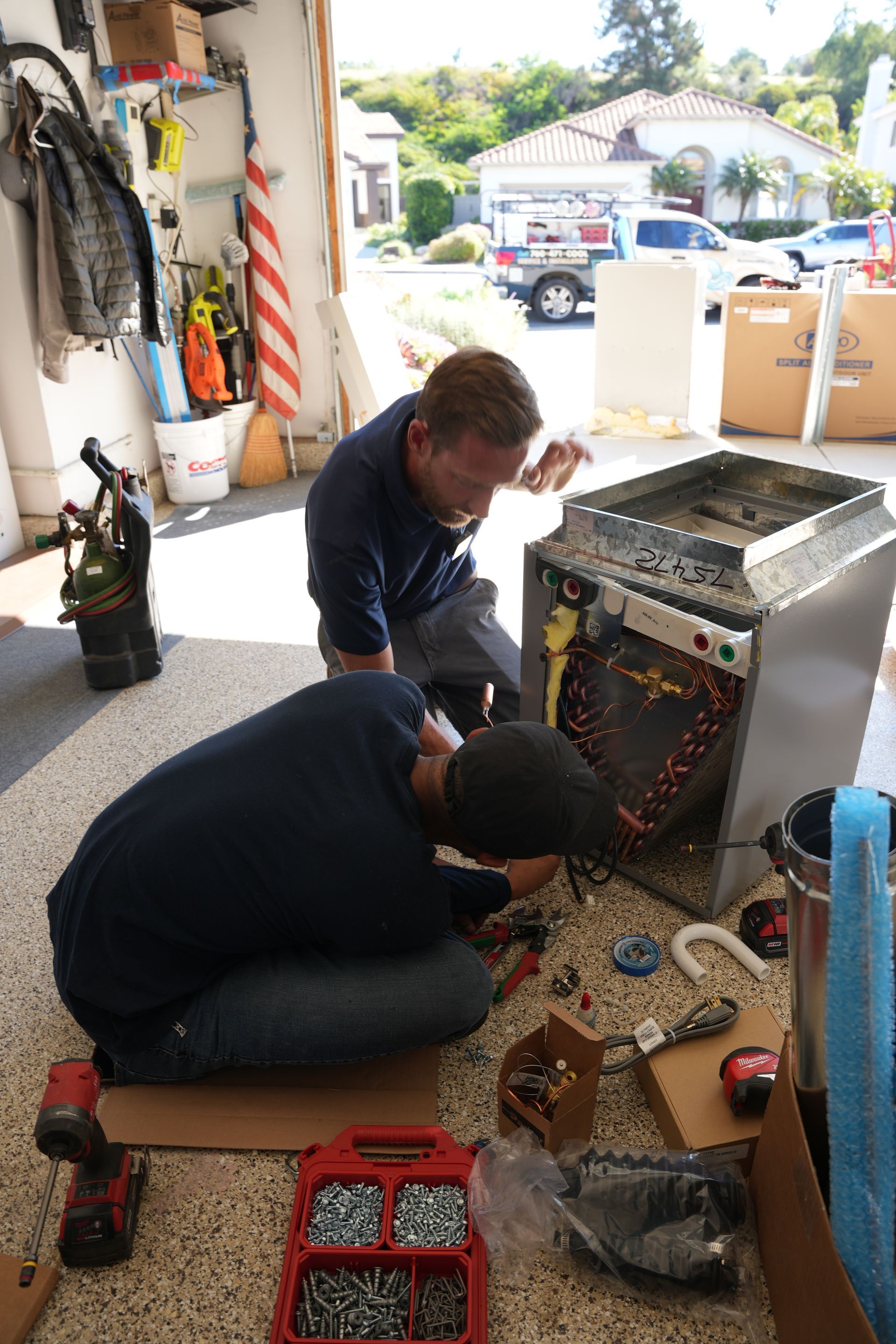
Professional HVAC maintenance

Top 5 DIY steps for AC preparation

While complex mechanical issues should be left to the experts at NextWave Heating and Air , there are several high-impact tasks you can handle yourself to boost your system's performance. Follow this checklist to get started:

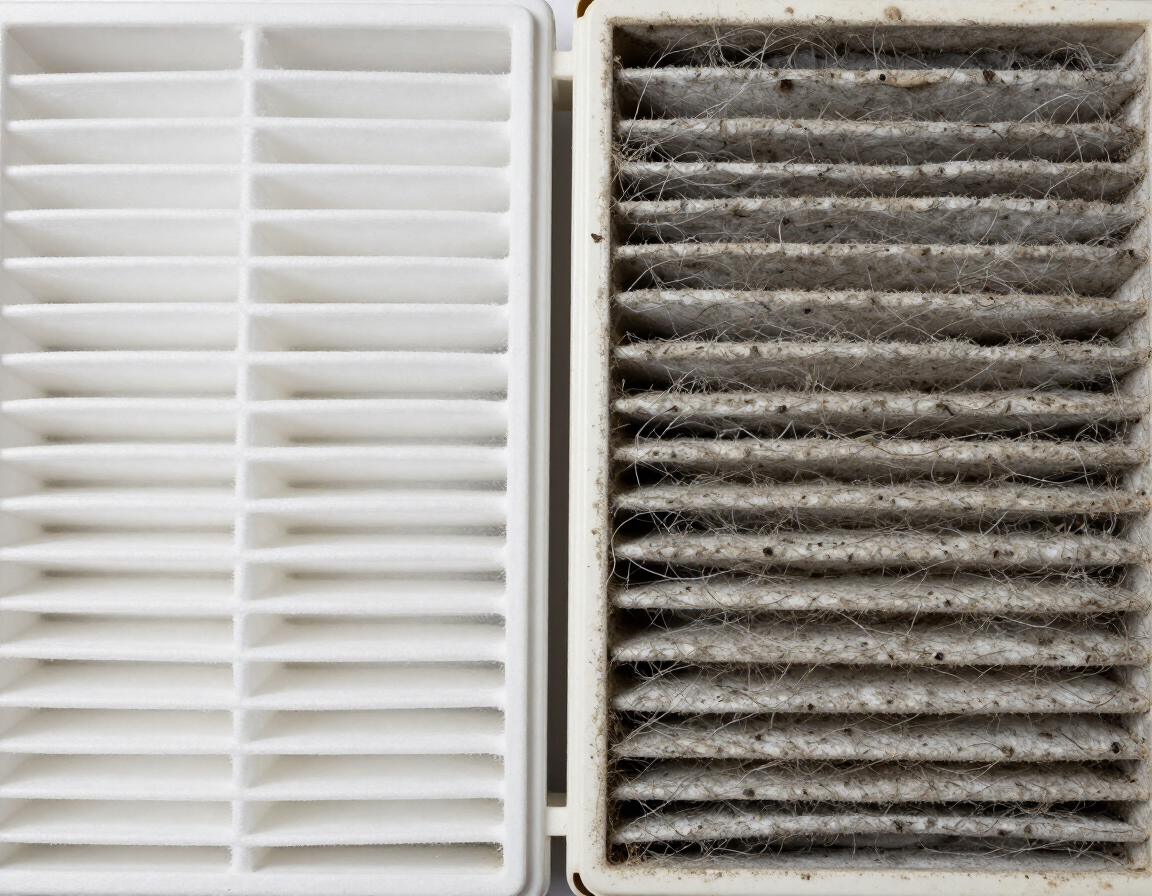
  • Change the Air Filter: This is the single most important task for any homeowner. A clogged filter restricts airflow, forcing the system to consume more energy. Check your filter every 30 days and replace it if it looks grey or dusty.
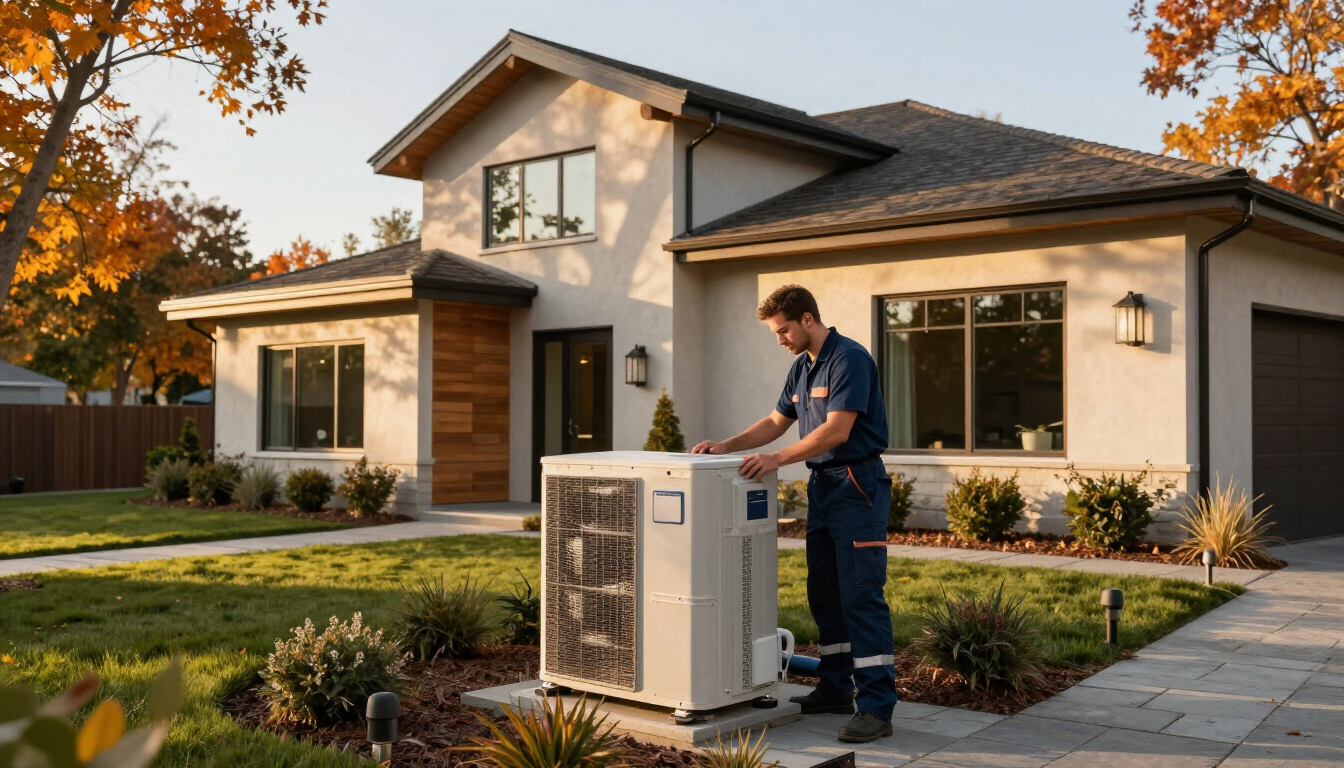
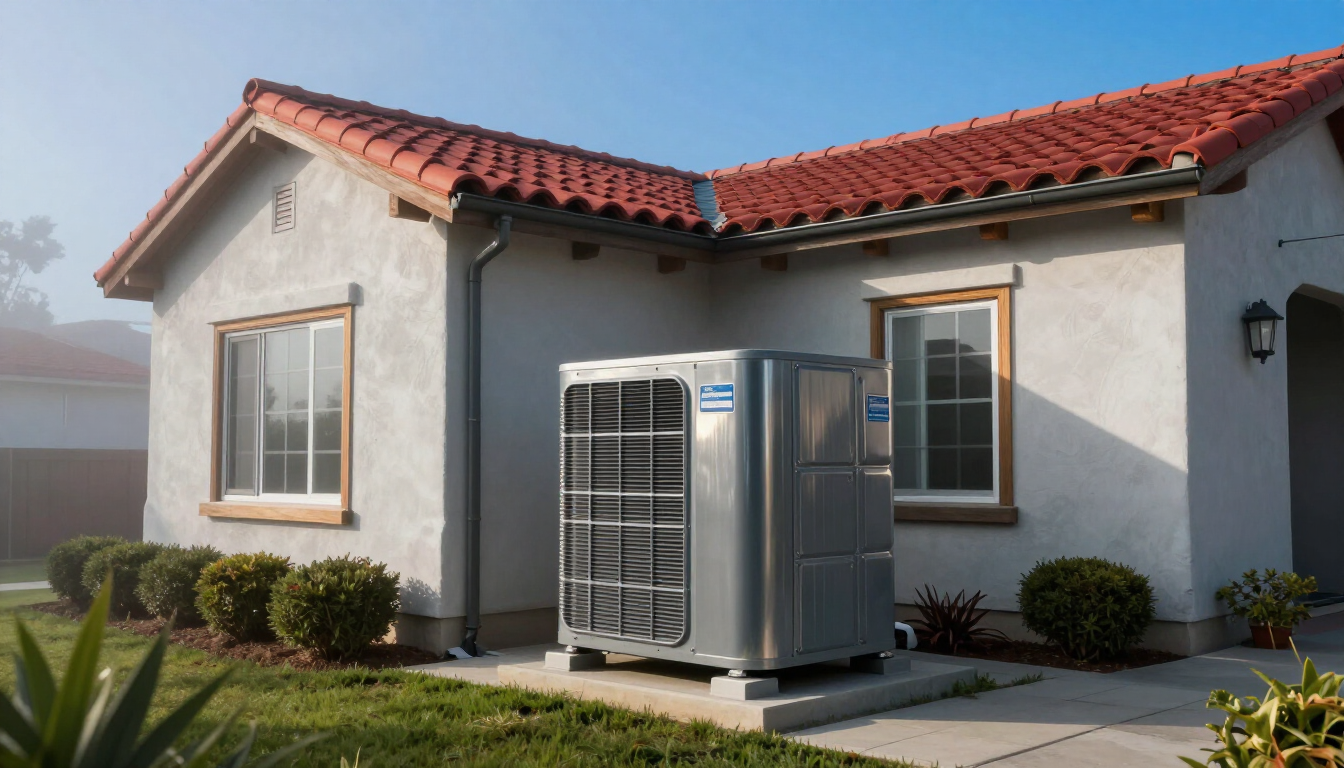
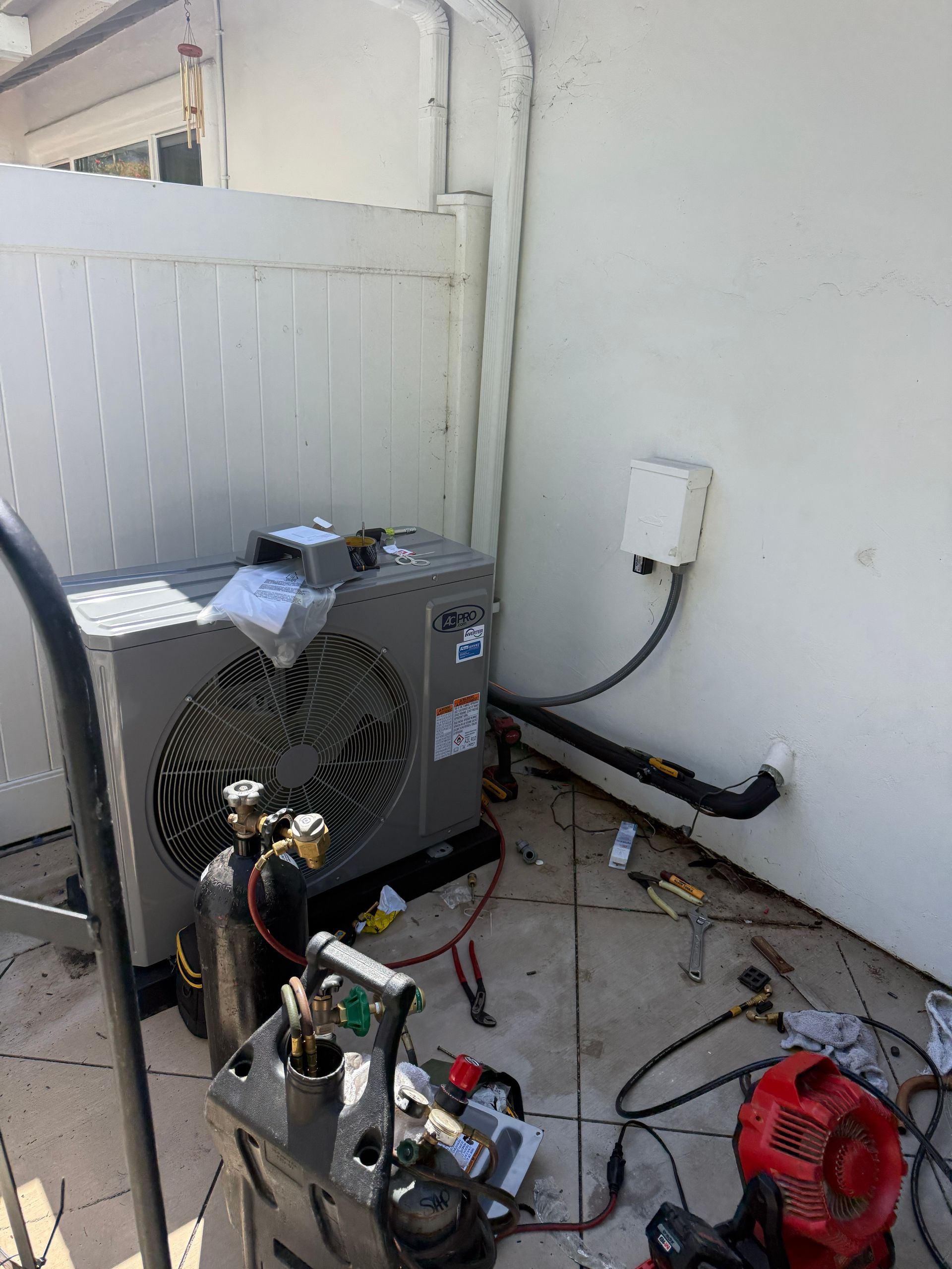
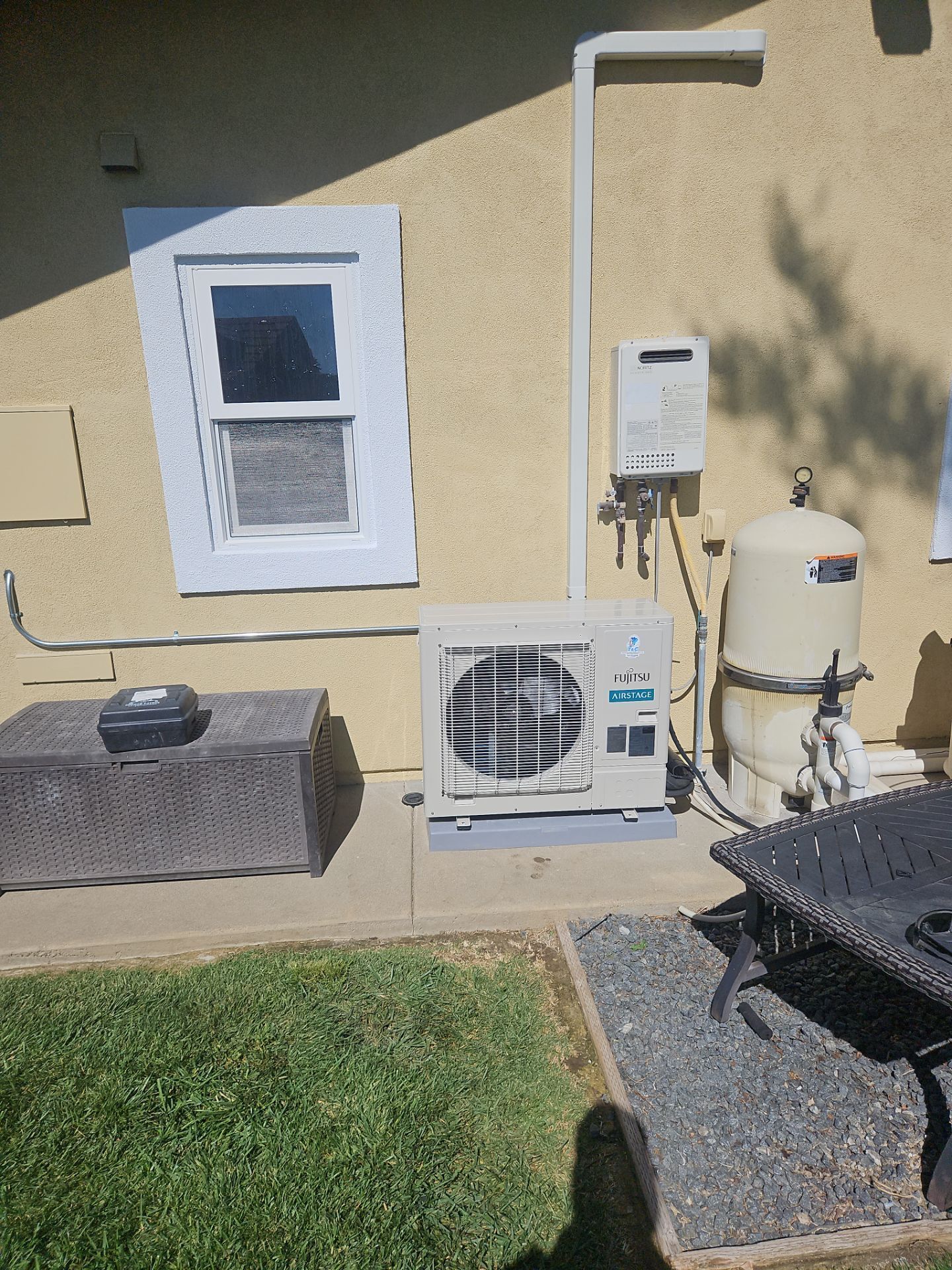
  • Clear the Outdoor Unit: Your condenser needs room to breathe. Remove any dead leaves, tall grass, or overgrown shrubs within a two-foot radius of the outdoor unit. This allows for better heat exchange and prevents the system from overheating.
  • Inspect the Condensate Line: Locate the drain line (usually a PVC pipe near the outdoor unit) and ensure it isn't blocked. A clogged drain can lead to water damage or cause the system to shut down entirely to prevent flooding.
  • Check the Vents: Walk through your home and make sure all supply and return vents are open and unobstructed by furniture or curtains. Blocking vents can cause pressure imbalances that damage your ductwork.
  • Test Your Thermostat: Switch your system to "cool" and set the temperature a few degrees lower than the current room temperature. Listen for the system to kick on and feel for cold air. If it doesn't respond, you may need new batteries or a calibration.
Clean vs Dirty Filter

How can I tell if my air conditioner needs a tune-up?

Even if your system appears to be running, there are subtle warning signs that indicate it is struggling under the surface. One of the most common red flags is inconsistent cooling. If one bedroom feels like an ice box while the living room remains muggy, your system may have a refrigerant leak or a failing blower motor. These inconsistencies are often the first sign that the mechanical components are no longer synchronized, leading to uneven airflow throughout your home. Ignoring these signs can lead to a total system failure when you need cooling the most.

Another indicator is the presence of unusual noises. While no air conditioner is completely silent, you should be familiar with the standard hum of your unit. Squealing, grinding, or loud banging sounds often point to a belt that has slipped or a motor bearing that is reaching the end of its life. Similarly, strange odors—such as a musty smell or a metallic

Recent Posts

Professional HVAC technician performing a maintenance check on a residential unit.
July 10, 2026
Learn why regular HVAC maintenance checks are essential for San Diego homeowners. Discover how to save money, improve air quality, and prevent breakdowns with NextWave.
Modern smart thermostat showing energy efficient settings for summer cooling.
June 4, 2026
Discover practical tips to save electricity during summer in San Diego. Learn how to optimize your HVAC, use smart thermostats, and reduce cooling costs effectively.
By Webster vejano May 15, 2026
Stay Cool and Avoid Costly Breakdowns With These Early Warning Signs From Your HVAC System
By doug January 20, 2026
What if I told you that most systems aren't working the way they were designed and aren't hitting the efficiency ratings that your hvac contractor said it was? It usually comes down to improper airflow. Your Hvac system's airflow is probably the biggest limiting factor for its efficiency and costing you lots of money every year and you probably don't even know it. Let's go over why it's so important and how we can make sure that you Heating and Air conditioning system is working at peak performance!
By doug January 20, 2026
Your HVAC system plays a crucial role in keeping your home comfortable year-round. Whether it's cooling your home during hot summer days or keeping you warm in colder months, regular maintenance ensures your system runs efficiently and reliably when you need it most.
By doug January 20, 2026
As temperatures begin to rise in San Diego , preparing your HVAC system for the summer season is essential to keep your home comfortable and energy-efficient. A little preparation before peak heat arrives can help prevent breakdowns, reduce energy costs, and ensure reliable cooling when you need it most.