7 Ways to Save Electricity During Summer (Lower Bills)
To save electricity during summer, focus on reducing heat gain and optimizing AC efficiency. Set your thermostat to 78°F, replace air filters monthly, and use ceiling fans to create a wind-chill effect. These simple steps, combined with professional annual maintenance, can reduce cooling costs by up to 30%.
How can I lower my electric bill in the summer?
Lowering your electric bill in the heat of a San Diego summer requires a combination of strategic habits and mechanical efficiency. The primary driver of high summer bills is the air conditioning system, which can account for over 50% of your total energy consumption during peak months. To tackle this, you must look at your home as a complete ecosystem where every degree of heat kept out is money kept in your pocket.
Start by managing the solar heat gain through your windows. When the sun beats down on your glass panes, it acts like a greenhouse, trapping heat inside and forcing your Cooling system to work overtime. By simply closing your blinds or installing blackout curtains during the hottest parts of the day, you can reduce the amount of work your AC has to do. Additionally, consider the timing of your appliance use. Running dishwashers, dryers, and ovens in the evening when it’s cooler prevents the internal temperature of your home from rising, which keeps the thermostat from triggering an unnecessary cooling cycle.
Energy-saving habits to start today:
- Close south-facing blinds during daylight hours.
- Use a microwave or outdoor grill instead of the oven.
- Wash clothes in cold water to save water heating costs.
- Unplug electronics that aren't in use (vampire power).
- Shift heavy energy usage to off-peak utility hours.
Essential Air Filter Maintenance
One of the most overlooked aspects of saving electricity is the humble air filter. At NextWave Heating and Air, we often see systems struggling simply because they can't breathe. A clogged air filter restricts airflow, forcing the blower motor to work significantly harder and consume more electricity to move the same amount of air. Over time, this doesn't just raise your bill; it causes premature wear and tear on your entire HVAC system.
In San Diego County, where dust and coastal salt can accumulate, we recommend checking your filters every 30 days. If you have pets or suffer from allergies, this is even more critical. Clean filters also play a major role in your Indoor Air Quality , ensuring that the air circulating through your home is free of dander, pollen, and dust. When the air flows freely, the cooling cycles are shorter and more effective, leading to immediate energy savings.
Why filter changes matter for your wallet:
- Reduces strain on the blower motor.
- Prevents the evaporator coil from freezing over.
- Shortens the length of cooling cycles.
- Minimizes the risk of expensive emergency repairs.
- Keeps the air in your home cleaner and healthier.
Does a smart thermostat actually save money?
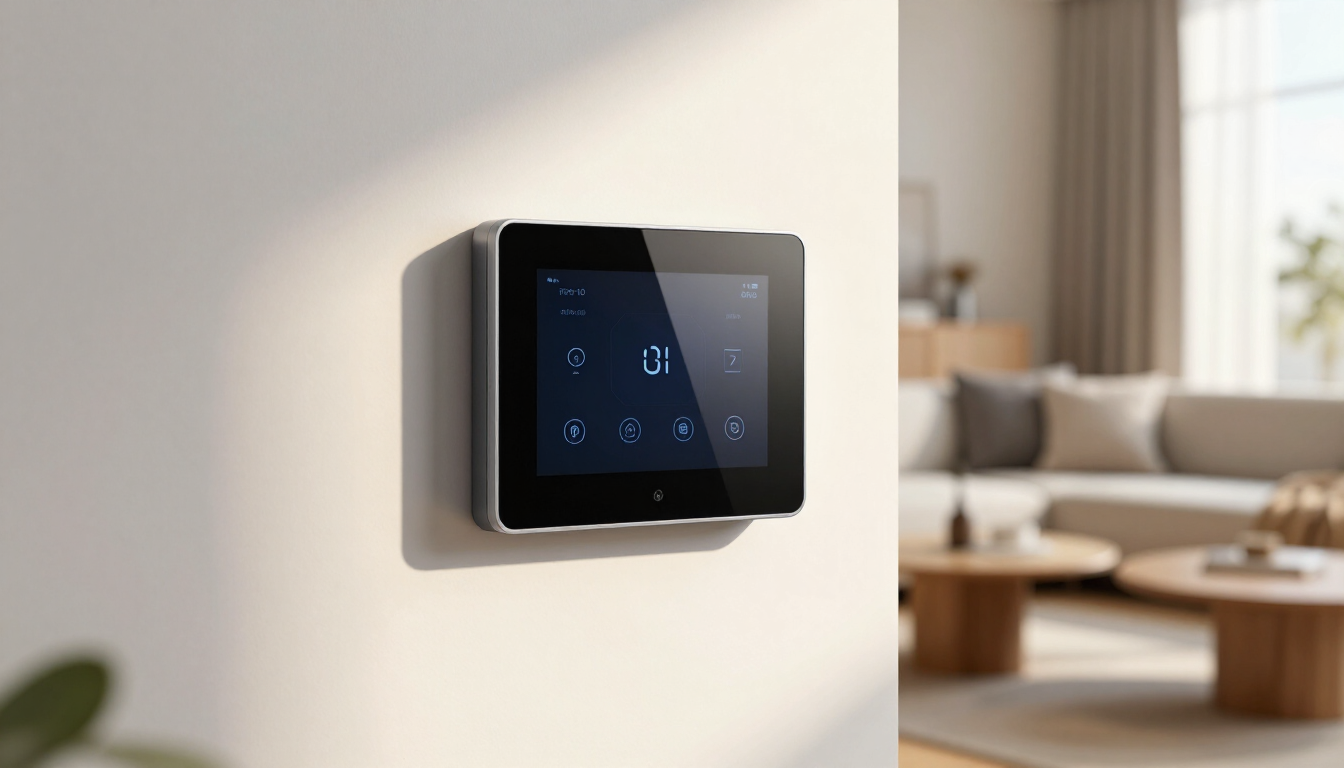
Yes, a smart thermostat is one of the most effective tools for reducing summer electricity costs. Traditional thermostats are often set and forgotten, leading to cooling an empty house or keeping temperatures lower than necessary throughout the night. Smart thermostats learn your schedule and automatically adjust the temperature based on whether you are home, away, or asleep.
Modern technology allows these devices to use geofencing, which detects when your smartphone leaves the house and adjusts the AC to an energy-saving mode. By the time you’re heading back, the system kicks back on to ensure your home is perfectly comfortable the moment you walk through the door. This precision eliminates wasted cooling hours. If you’re looking to upgrade, our team can help you integrate these smart solutions into your existing setup to maximize your home’s efficiency.
Professional HVAC Tune-Ups
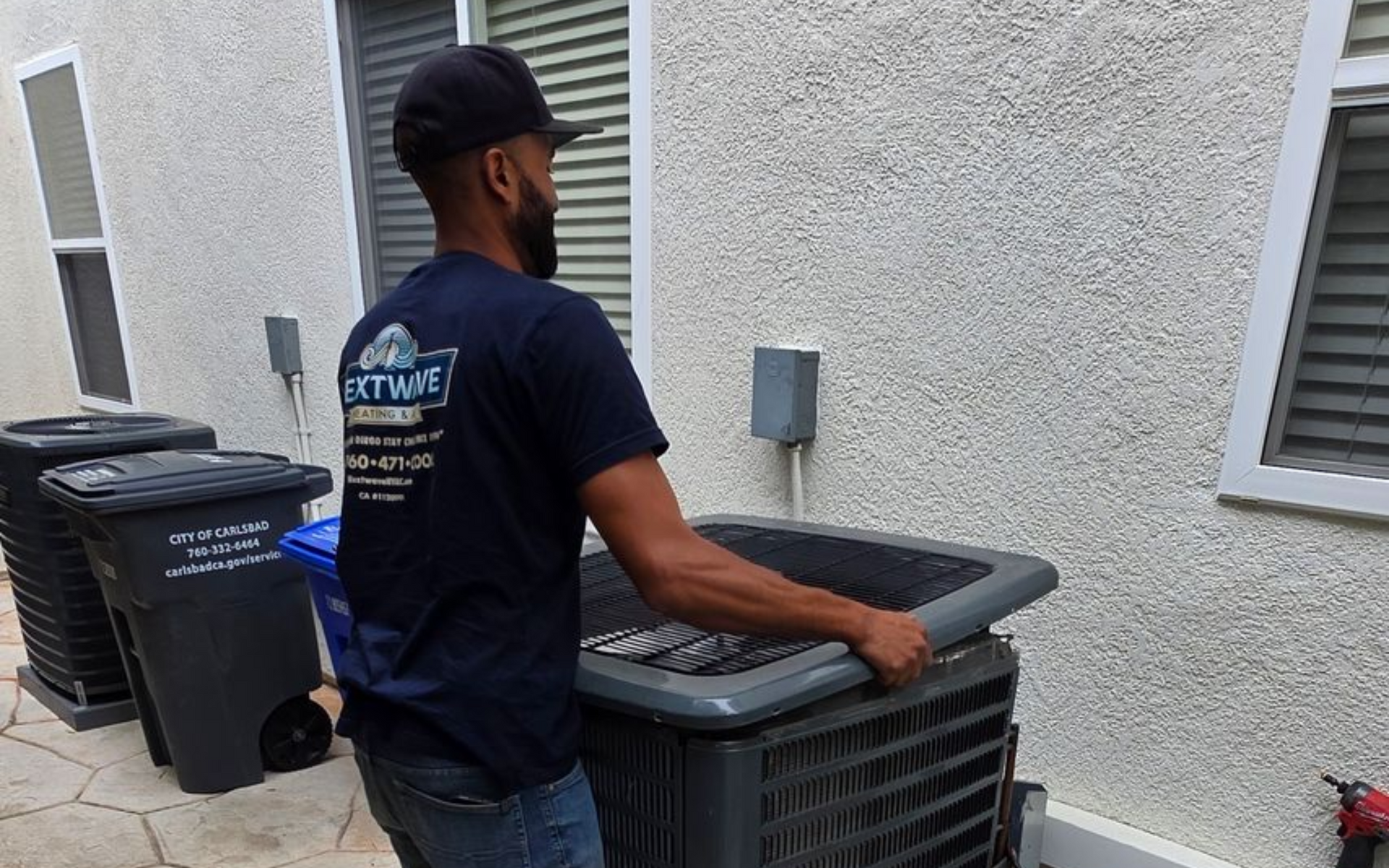
While DIY habits are great, nothing replaces the efficiency gains of a professional tune-up. A technician from NextWave Heating and Air can calibrate your system to its peak manufacturer specifications. This includes cleaning the condenser coils, checking refrigerant levels, and ensuring all electrical connections are tight and drawing the correct voltage.
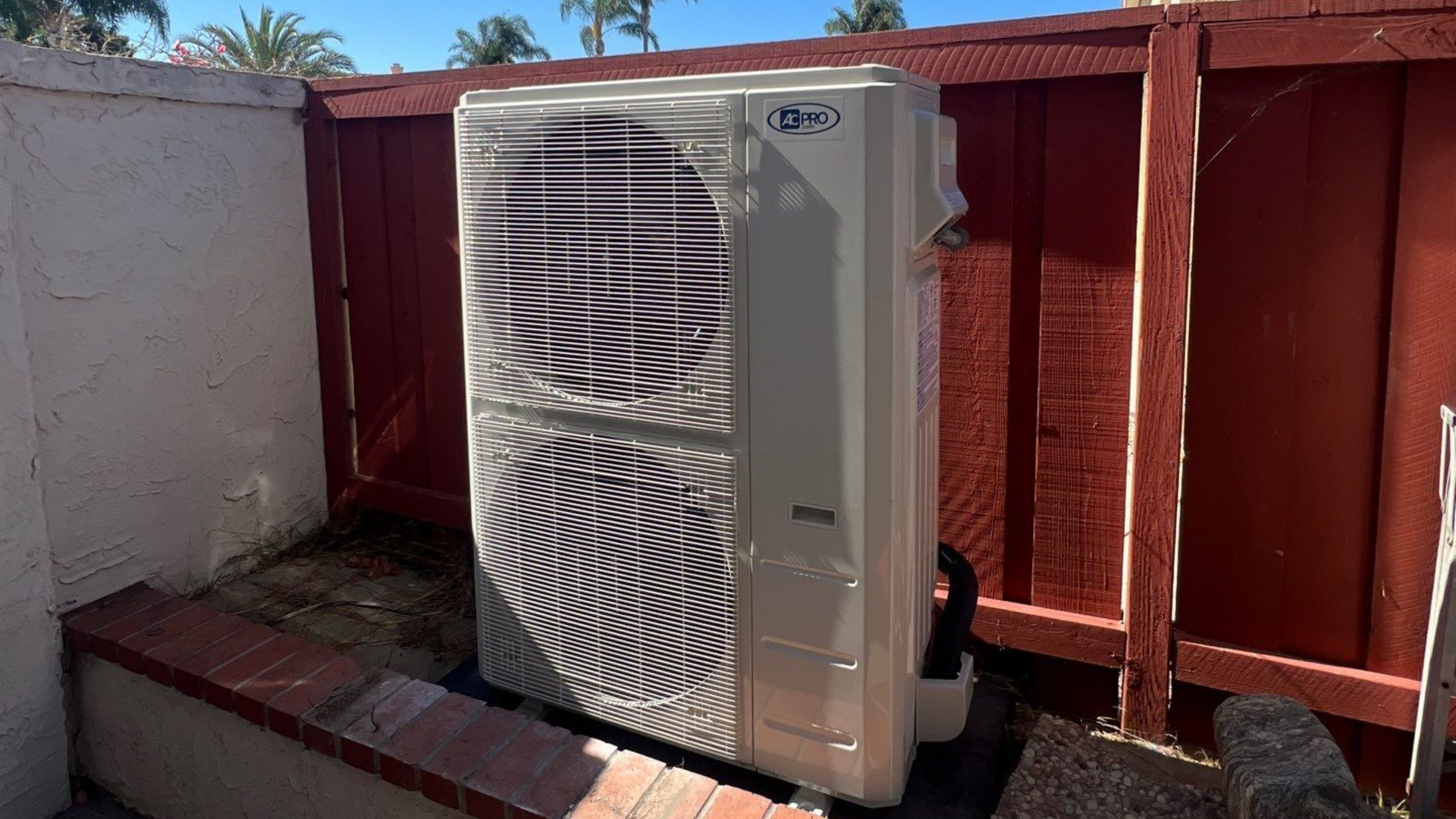
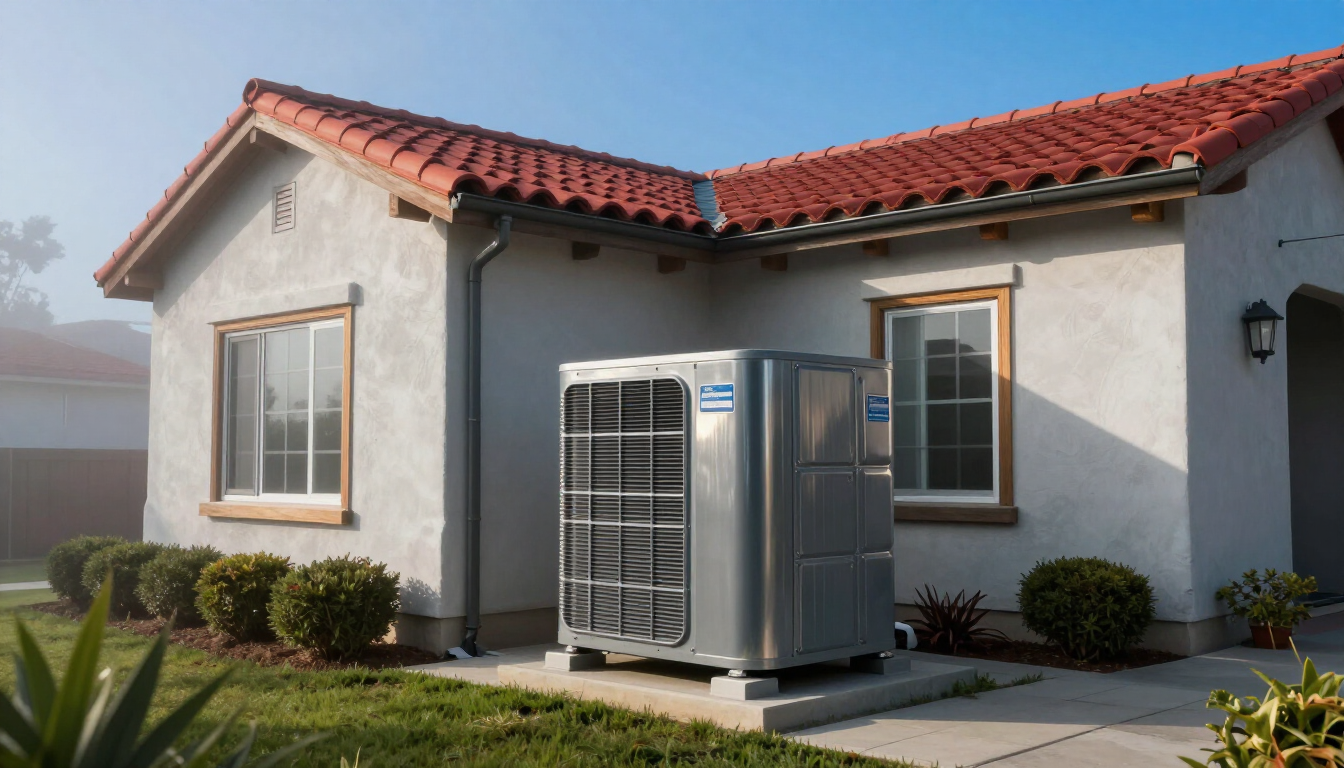
Dirty condenser coils are a major energy thief. Located in the outdoor unit, these coils dissipate the heat removed from your home. If they are covered in dirt or debris, they can't release heat effectively, causing the compressor to run longer and hotter. A professional cleaning can improve the system's efficiency by up to 15%. Regular maintenance also allows us to catch small issues before they turn into a total system failure during a heatwave. If you haven't had your system checked this year, it’s a great time to Contact us for a comprehensive inspection.
What is the best temperature for an AC in summer?
The Department of Energy recommends setting your thermostat to 78°F when you are at home and need cooling. While this might sound high to some, every degree you raise the temperature can save you about 3% to 5% on your cooling costs. The goal is to minimize the difference between the indoor and outdoor temperatures. The smaller that gap, the lower your overall bill will be.
To make 78°F feel more like 72°F, utilize ceiling fans. Fans don't actually lower the temperature of a room, but they create a "wind-chill effect" on your skin by aiding in the evaporation of moisture. This makes you feel significantly cooler without lowering the thermostat. Just remember: fans cool people, not rooms. Turn them off when you leave the room to avoid wasting electricity on an empty space.
Sealing Your Home’s Thermal Envelope
You can have the most efficient AC in the world, but if your home is leaking cool air, you’re essentially paying to cool the neighborhood. The "thermal envelope" of your home is the barrier between the conditioned air inside and the hot air outside. Over time, seals around windows and doors can degrade, and insulation in the attic can settle, leaving gaps where heat can pour in.
Simple weatherstripping and caulking can make a massive difference. Check for drafts around electrical outlets, baseboards, and window frames. In many older San Diego homes, attic insulation is insufficient for modern energy standards. Adding a fresh layer of insulation can keep the heat from the roof from radiating down into your living space, allowing your AC to rest more often. This proactive approach to home maintenance is one of the best ways to ensure long-term energy savings.
Why should I consider a mini-split system?
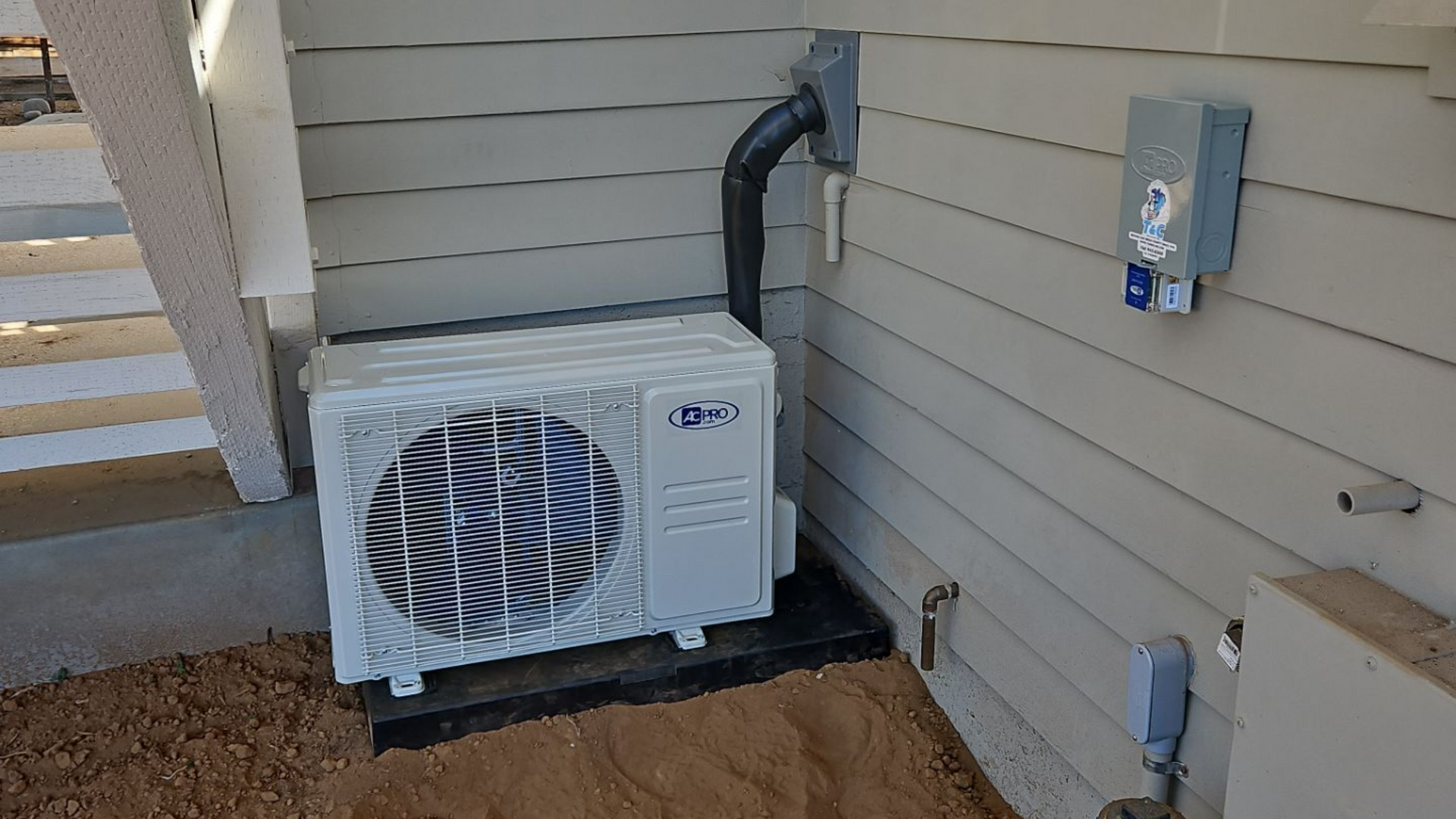
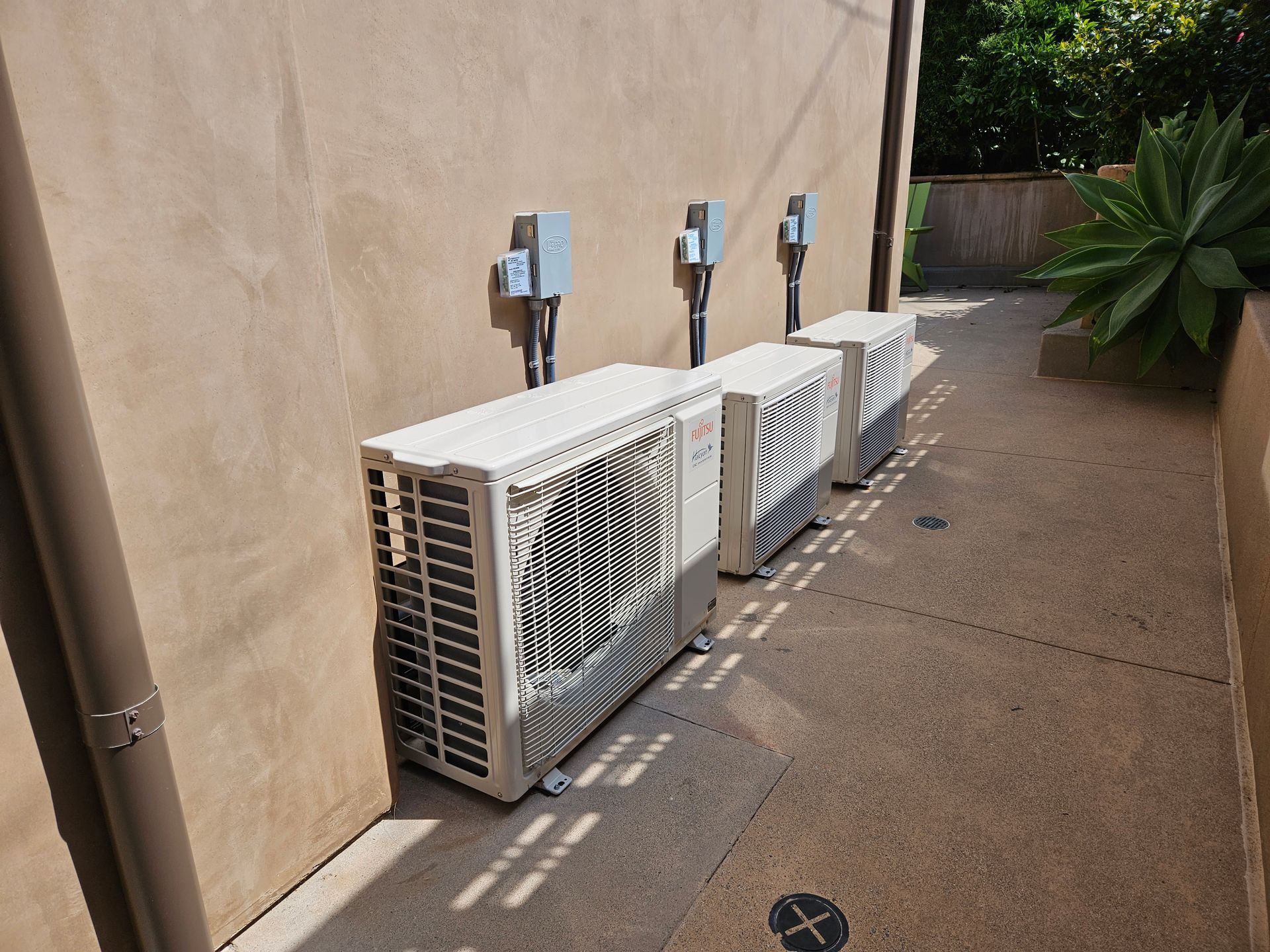
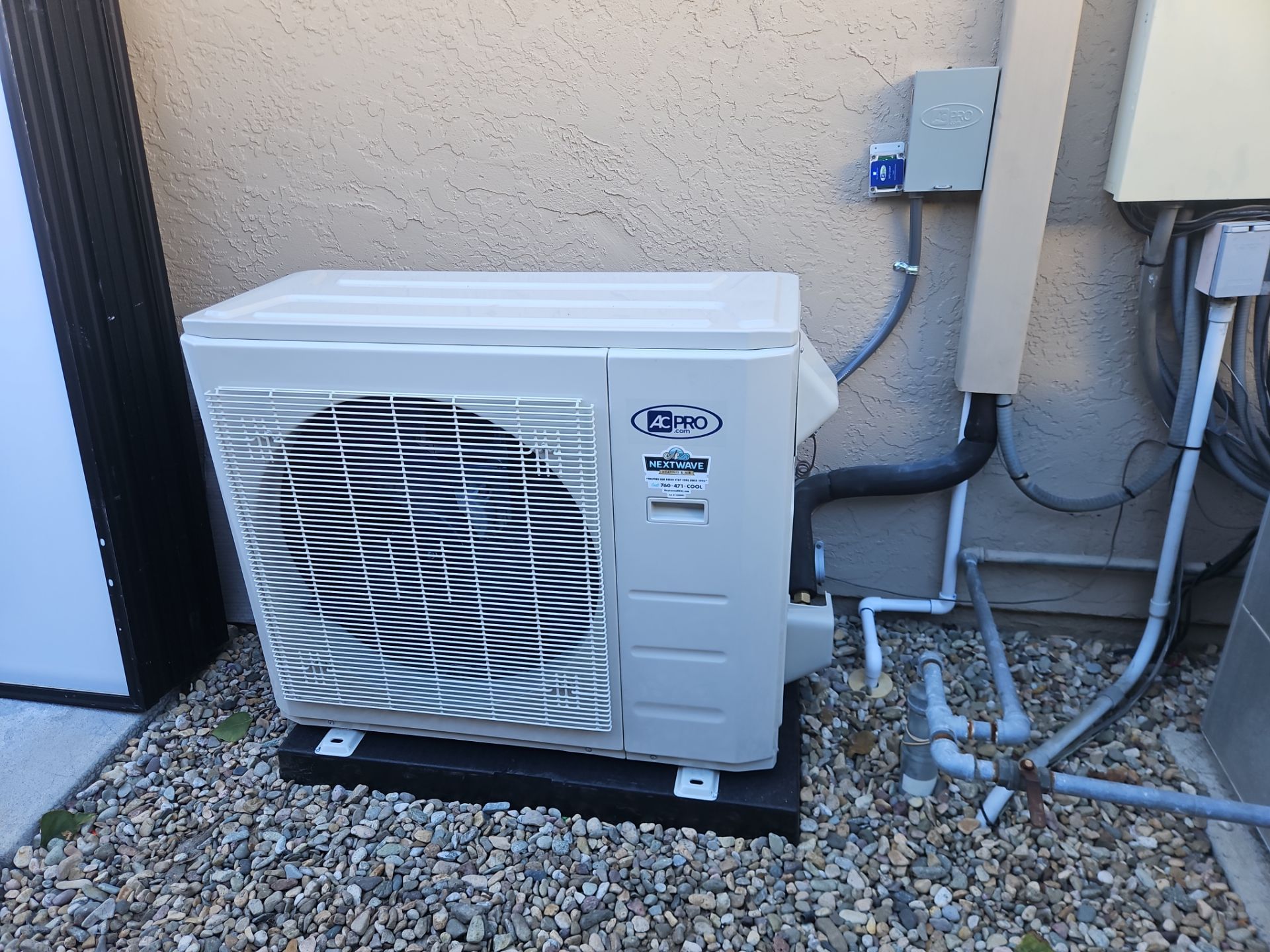
For many homeowners, especially those with older homes or room additions, a traditional central HVAC system might not be the most efficient choice. This is where Mini Splits come into play. These systems allow for "zoning," meaning you only cool the rooms you are actually using. If you spend most of your day in a home office and only use the bedroom at night, why pay to cool the entire house all day long?
Mini-split systems are incredibly energy-efficient because they avoid the energy losses associated with ductwork, which can account for more than 30% of energy consumption in a typical central system. They are also much quieter and offer a sleek, modern look that fits perfectly with our philosophy at NextWave of combining modern technology with expert craftsmanship. If you're tired of high bills from an aging central unit, exploring a ductless option might be the smartest move you make this summer.
Strategic Summer Savings Summary
Saving electricity during the summer doesn't mean you have to sacrifice comfort. By implementing a few strategic changes, you can enjoy a cool home while keeping your utility bills under control. Whether it’s through simple DIY tasks like changing filters or more significant upgrades like smart thermostats and high-efficiency mini-splits, the team at NextWave Heating and Air is here to help you navigate your options.
Key Takeaways for Summer Efficiency:
- Maintain a consistent thermostat setting of 78°F when home.
- Replace air filters every 30 days to ensure optimal airflow.
- Use ceiling fans to feel cooler without lowering the AC.
- Schedule professional maintenance to clean coils and check refrigerant.
- Consider zoning your home with a mini-split system for targeted cooling.
By taking these steps, you protect your investment, extend the life of your equipment, and ensure that your home remains a sanctuary of comfort even during the hottest San Diego afternoons. If you're ready to optimize your home's performance, About us you can learn more about our commitment to modern, reliable HVAC solutions.
Recent Posts