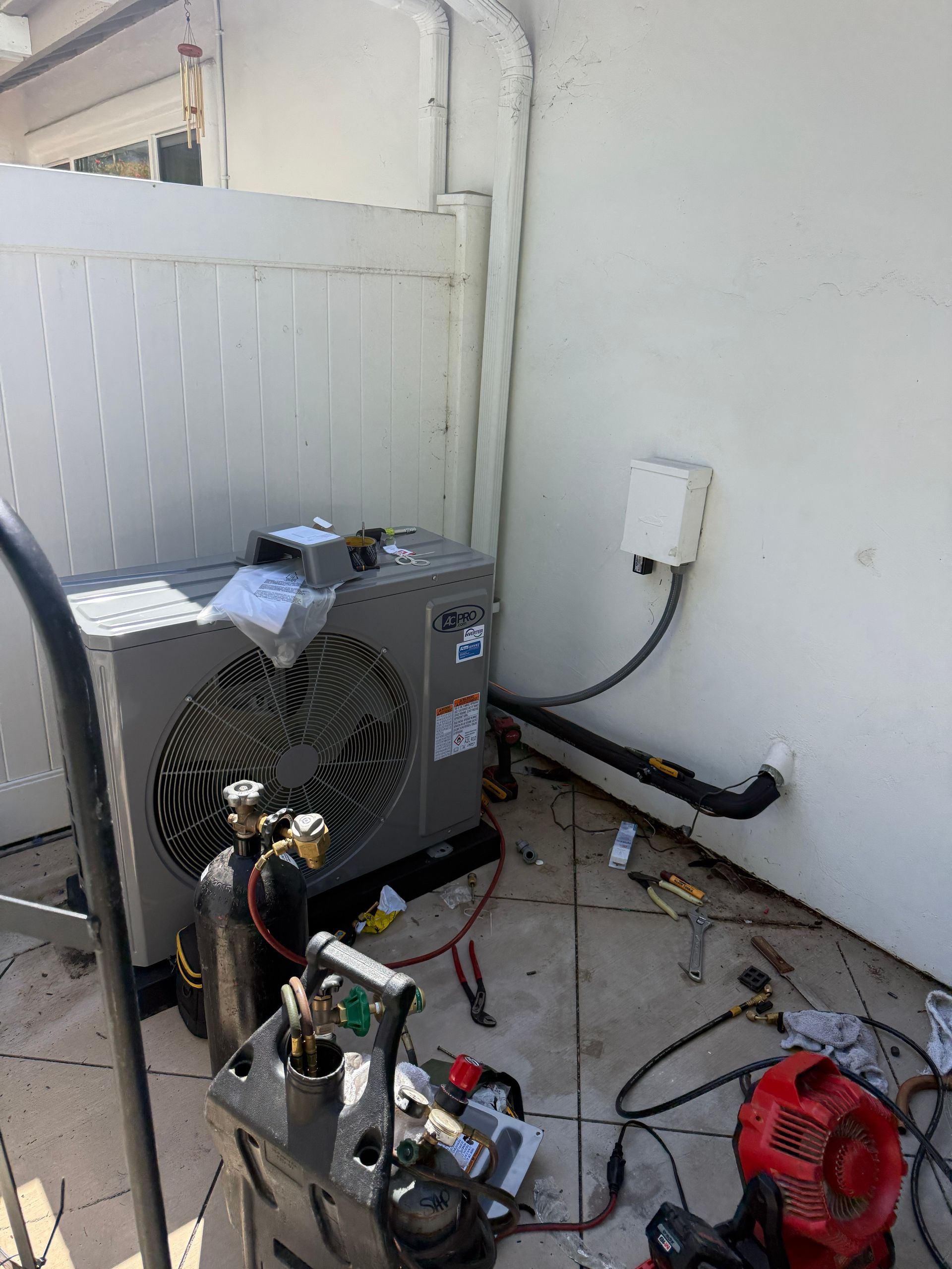
Airflow, The Gate keeper of HVAC Performance.

doug • January 20, 2026

Share this article

What if I told you that most systems aren't working the way they were designed and aren't hitting the efficiency ratings that your hvac contractor said it was? It usually comes down to improper airflow. Your Hvac system's airflow is probably the biggest limiting factor for its efficiency and costing you lots of money every year and you probably don't even know it. Let's go over why it's so important and how we can make sure that you Heating and Air conditioning system is working at peak performance!

Why is airflow so important?

We need airflow to heat and cool the air inside our home and we need to do it efficiently. We also need to be moving the right amount of air that the manufacturer designed the equipment for. If the system isn't moving the right amount of air, the furnace will overheat and ruin the heat exchanger, the blower motor will be overworked and have premature failure, the air conditioner's compressor will prematurely fail due to the refrigerant not converting back to a vapor by the time is compresses it again. You also are overpaying to cool your home because your 4 ton system is only cooling or heating like a 3 ton system, but your paying for the electricity of a 4 ton system.


How much cfm of airflow should my system be producing?

Every heating and air conditioning system is manufactured to operate in a very specific air flow range in order to heat and cool your home and hit the efficiency ratings that they say it should. That range is 350 to 400 cfm per ton with a total external static pressure of .5 inches of water column during cooling mode. 1 ton= 350-400, 2 ton= 700-800, 3 ton= 1050-1200, 4 ton= 1400-1600 and 5 ton=1750-2000. 350 cfm for homes with higher humidity and 400 cfm for drier homes. Let me explain what this means real quick. The system needs to move enough air without having to try too hard and use up too much electricity.

Modern systems only want to work so hard so that they don't use too much electricity, don't over heat and they can last a long time.  Our target rate is .5 watts per cfm of fan output. This all comes down to how the hvac system was designed.

Most systems that I come across were not designed properly and not enough companies are addressing it. We need to be designing systems with the ducting systems, plenums, filters and equipment in mind. Let's start with the ducting systems. Imagine drinking some juice through a small straw vs. drinking through a big straw. Which one is easier? The big straw right? That's how I look at ducting systems. Traditionally people would put 14" return and supply ducts on a 3 ton system, 16" on a 4 ton, and 18" on a 5 ton. The problem with this is that this is like drinking through a small straw. 14" duct is rated for about 700 cfm, 16"=1000 cfm,  18"= 1300 cfm. Do you see the problem there? 9 times out of 10 this is what I come across. This isn't even taking into account, extra long duct runs, flex duct not pulled tight, tight 90's, you get the point. This is the #1 killer of system performance and should always be addressed!


Unfortunately it's not this simple. There is so much more involved with designing the proper system. Making sure the plenums are long enough to reduce turbulence and evenly distributing airflow through each ducting collar, using the proper sized filters so that you only get .1 in wc pressure drop across them, right sized evaporator coil for only .2 in wc pressure drop, correct return plenums, high flow rated registers and more!


Thankfully for you, we have become airflow nerds over the years and would love to check your system and see how we can make sure it's running the way it should. Go tap that "Call/text button up there on the top right and schedule a visit, we would love to see you. 


Doug Holzhauer

Owner

NextWave Heating and Air


Recent Posts

By doug January 20, 2026
Your HVAC system plays a crucial role in keeping your home comfortable year-round. Whether it's cooling your home during hot summer days or keeping you warm in colder months, regular maintenance ensures your system runs efficiently and reliably when you need it most.
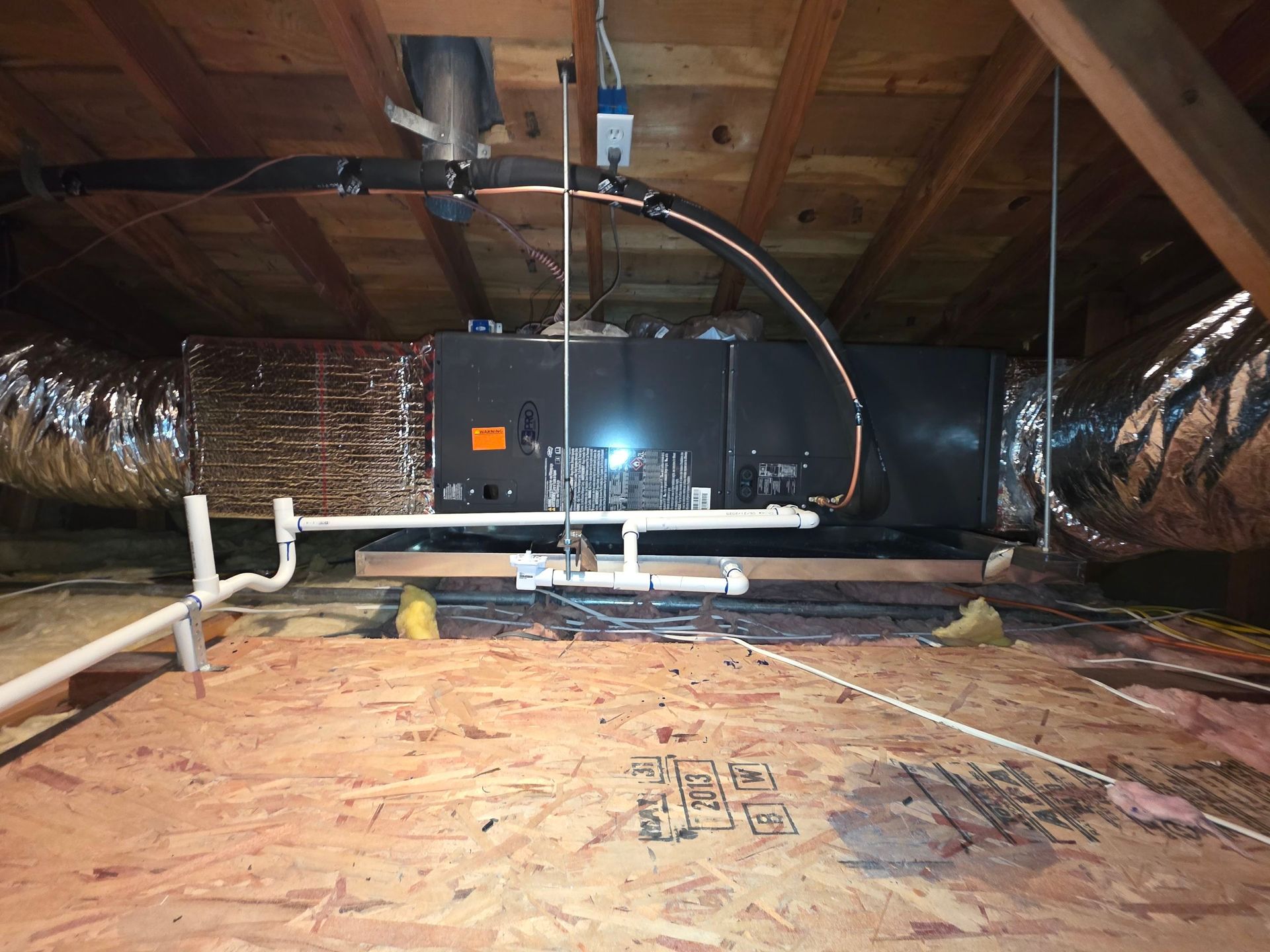
By doug January 20, 2026
As temperatures begin to rise in San Diego , preparing your HVAC system for the summer season is essential to keep your home comfortable and energy-efficient. A little preparation before peak heat arrives can help prevent breakdowns, reduce energy costs, and ensure reliable cooling when you need it most.