7 Fall HVAC Tips for California Homeowners

September 23, 2026

Share this article

Fall HVAC tips help California homeowners transition from warm days to cooler nights without sacrificing comfort or efficiency. Start with a seasonal inspection, replace the air filter, test heating controls, seal obvious drafts, and adjust the thermostat gradually. In San Diego County, preparation also supports healthier indoor air and dependable winter performance.

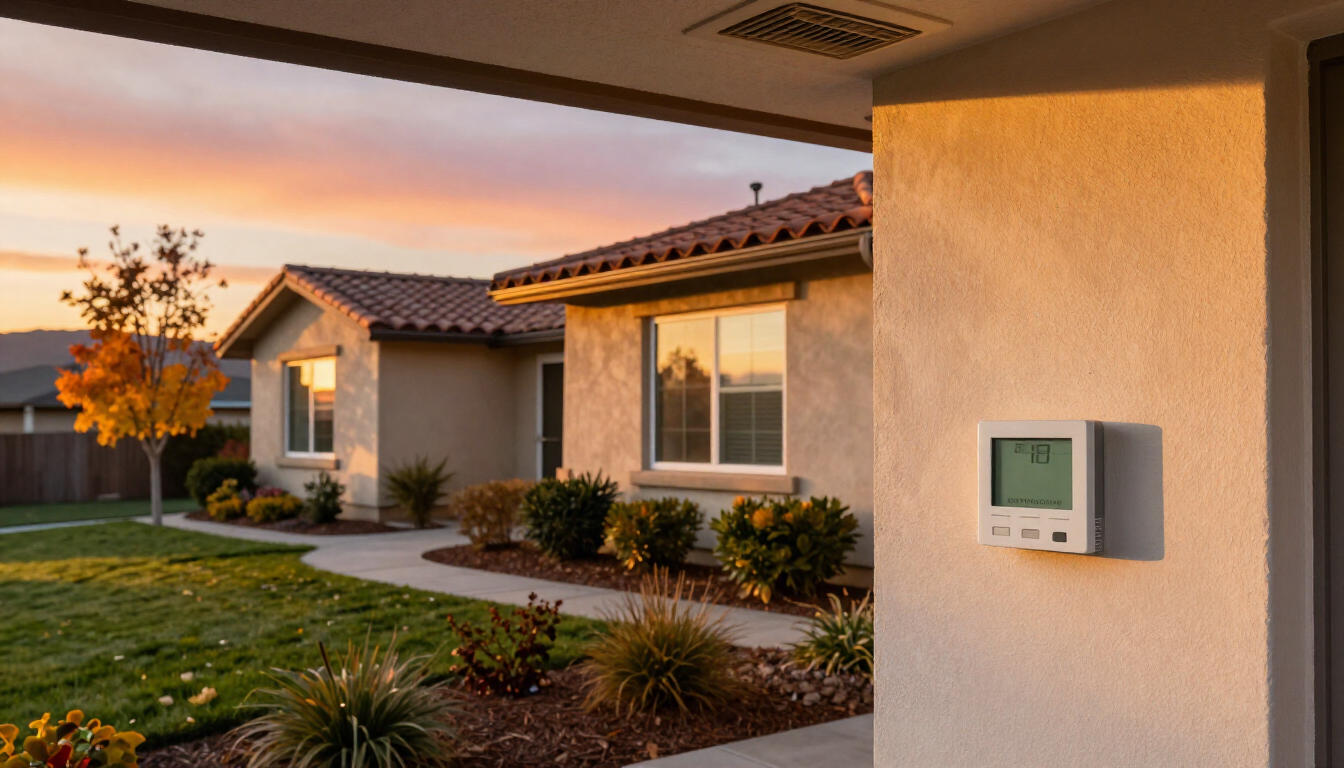
Fall HVAC tips for a California home

What should California homeowners do before fall?

California’s fall weather can shift quickly. Homes may need cooling during the afternoon and heating after sunset, so the best preparation is a basic system check before temperatures drop consistently.

Use this quick checklist:

  • Replace or clean the HVAC filter according to the manufacturer’s instructions.
  • Test heating mode for a few minutes and listen for unusual sounds or odors.
  • Clear leaves, dust, and debris from around the outdoor unit.
  • Check that supply and return vents are open and unobstructed.
  • Schedule professional service if the system struggles to start or maintain temperature.

A small amount of preparation can reduce avoidable strain on your equipment and reveal problems before they become urgent repairs. If your home needs heating work, explore NextWave’s heating services or request an instant quote .

1. Change the filter before heating season

A dirty filter restricts airflow, makes the system work harder, and can allow more airborne particles to circulate. Homes with pets, allergies, recent remodeling, or frequent occupancy may need more frequent filter changes.

Choose the filter size and efficiency rating recommended for your system. A higher-rated filter is not automatically better if your equipment cannot move air through it properly. When in doubt, ask a qualified HVAC professional for guidance.

2. Is your thermostat ready for cooler nights?

Test the thermostat before you need heat. Set it a few degrees above the indoor temperature and confirm that the system starts, delivers warm air, and shuts off normally.

Smart thermostat owners should also:

  • Review schedules for shorter fall days and cooler evenings.
  • Replace batteries if the device indicates low power.
  • Confirm that the thermostat is not near direct sunlight, a draft, a kitchen, or another heat source.
  • Use gradual temperature changes instead of large swings.

A properly located and programmed thermostat can improve comfort while helping prevent unnecessary cycling.

3. Inspect vents, registers, and airflow

Blocked vents can create uneven temperatures and add pressure to the system. Move furniture, rugs, curtains, and storage items away from supply registers and return grilles.

Walk through each room and note areas that remain unusually hot, cold, dusty, or stuffy. Persistent airflow problems may point to duct leakage, insulation gaps, an undersized system, or a failing blower. These concerns deserve professional testing rather than repeated thermostat adjustments.

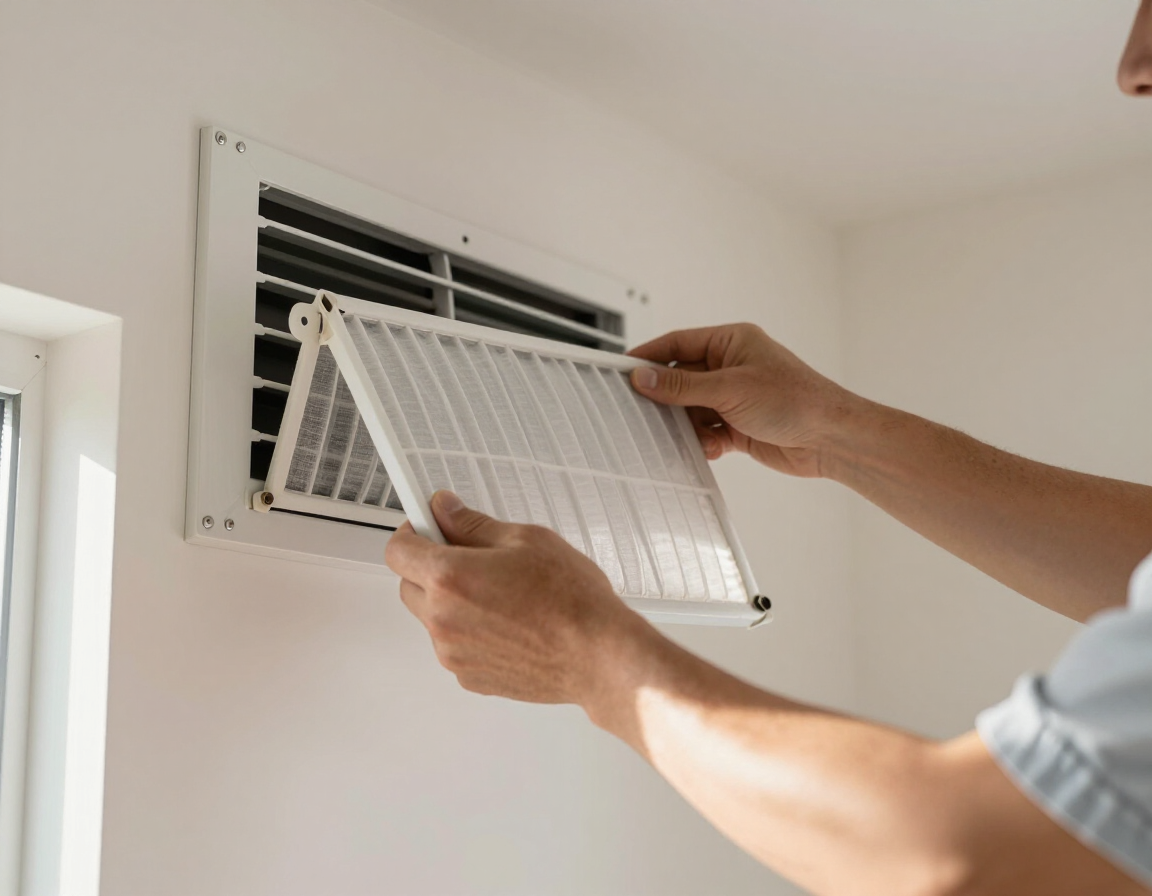
HVAC filter and clean return vent in a California home

4. Keep the outdoor unit clear

Even in mild California climates, outdoor equipment collects dust, leaves, and landscaping debris. Turn off power as directed by the manufacturer before performing basic exterior cleaning, and never bend delicate coils or spray electrical components.

Maintain clear space around the unit so air can move freely. Trim plants back and avoid storing boxes, tools, or garden supplies nearby. If the coil is heavily clogged or damaged, schedule service instead of attempting a detailed cleaning yourself.

How can fall maintenance improve indoor air quality?

Fall often means closed windows, more time indoors, and greater reliance on forced-air equipment. A clean filter and unobstructed airflow can help capture airborne particles, but they are only part of an indoor air quality plan.

Consider these practical steps:

  • Vacuum dust from accessible grilles and registers.
  • Control indoor humidity to discourage mold and excess dryness.
  • Use kitchen and bathroom exhaust fans to remove moisture and odors.
  • Ask about filtration or ventilation options if family members experience recurring irritation.

For broader guidance, visit NextWave’s indoor air quality page. Persistent odors, visible moisture, or worsening allergy symptoms should be investigated rather than masked with fragrance products.

5. Check for drafts and comfort leaks

Doors, windows, attic access panels, and duct connections can allow conditioned air to escape. Check weatherstripping and caulking around obvious gaps, particularly in rooms that feel uncomfortable despite normal thermostat readings.

Do not seal combustion-air openings or make changes to gas appliances without professional advice. If your energy bills rise unexpectedly or certain rooms never reach the set temperature, an HVAC assessment can identify whether the issue is the ductwork, insulation, equipment, or envelope.

6. When should you schedule a professional tune-up?

Schedule service before the first sustained cold spell if your system is older, has missed regular maintenance, or showed warning signs last season. Professional maintenance commonly includes inspecting electrical connections, controls, safety components, airflow, duct performance, and heating operation.

Call sooner if you notice:

  • Burning, electrical, or persistent musty odors.
  • Repeated short cycling or difficulty starting.
  • Loud rattling, grinding, squealing, or banging.
  • Weak airflow from multiple vents.
  • Unexplained increases in energy use.

Never ignore a suspected gas leak or carbon monoxide concern. Leave the area and contact the appropriate emergency or utility service before arranging HVAC repairs.

7. Plan for efficient winter comfort

Fall is a useful time to compare repair costs with replacement options. If your system is aging, frequently breaking down, or unable to heat evenly, ask for an evaluation before an emergency occurs.

Modern high-efficiency equipment, properly sized for the home, may provide steadier temperatures and lower operating costs. A replacement decision should consider installation quality, duct condition, maintenance needs, comfort goals, and total operating cost—not just the equipment’s advertised efficiency.

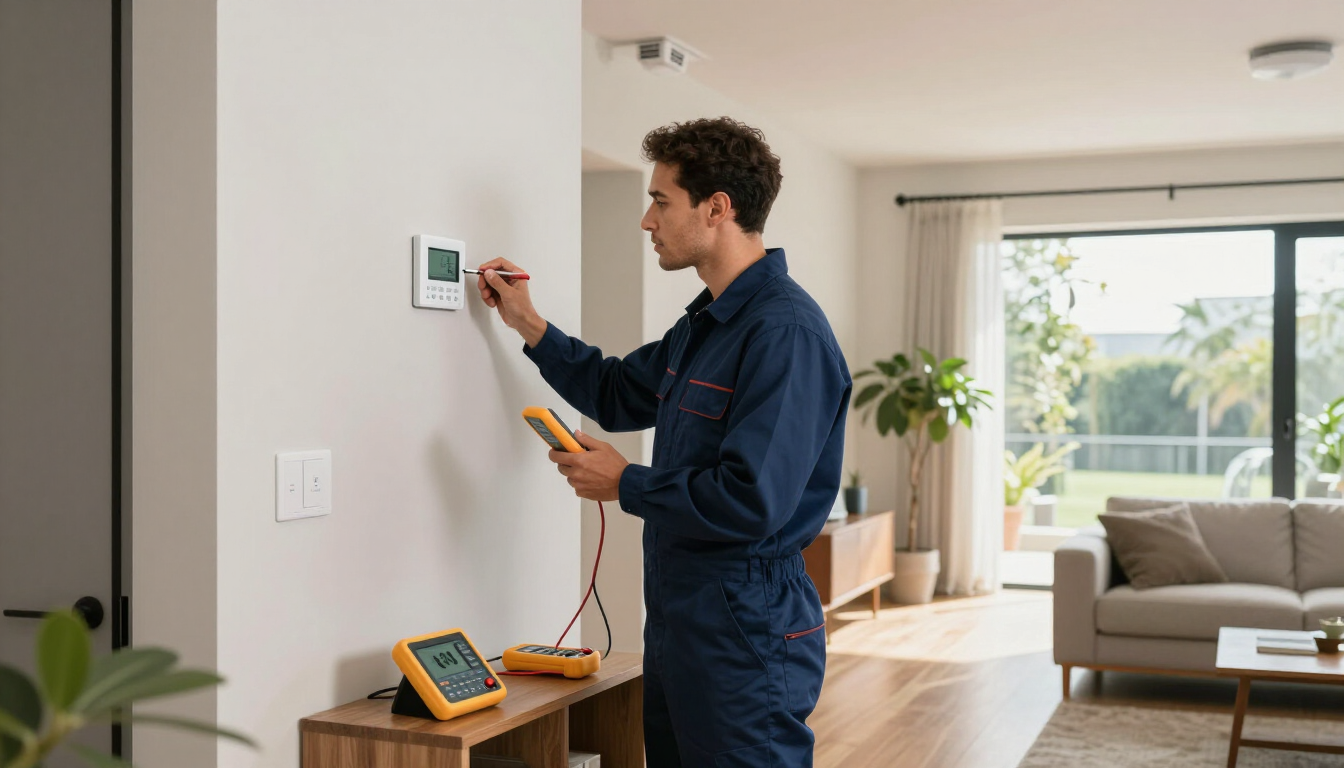
Professional HVAC inspection before California winter

Fall HVAC checklist for California homes

California fall preparation is usually straightforward: change the filter, test heating, protect airflow, clear the outdoor unit, and address unusual performance early. San Diego County homeowners may still use cooling during warm afternoons, so avoid shutting down or covering equipment prematurely. Keep the system accessible and monitor comfort, noise, odors, and energy use over the season. If a basic check reveals a concern, contact a qualified technician through NextWave Heating and Air before a small issue becomes an inconvenient breakdown.

Frequently asked questions

How often should I replace my HVAC filter in fall?
Follow the filter manufacturer’s guidance, typically every one to three months. Replace it sooner with pets, allergies, construction dust, or heavy system use.

Do California homes need heating maintenance every fall?
A yearly check is especially valuable for older systems, heat pumps, gas furnaces, and equipment that had performance problems during the previous season.

Why does my HVAC smell when heat starts?
A brief dusty smell can occur after months without heating. A persistent, burning, electrical, or fuel-like odor requires prompt professional attention.

What is the best next step before fall?
Replace the filter, test heating, inspect airflow, and arrange service if you hear unusual sounds, notice odors, or experience uneven temperatures.

Recent Posts

HVAC maintenance inspection for a San Diego home
September 30, 2026
Learn why HVAC maintenance matters even when your system seems fine—and how preventive service can improve comfort, efficiency, air quality, and reliability in North San Diego homes.
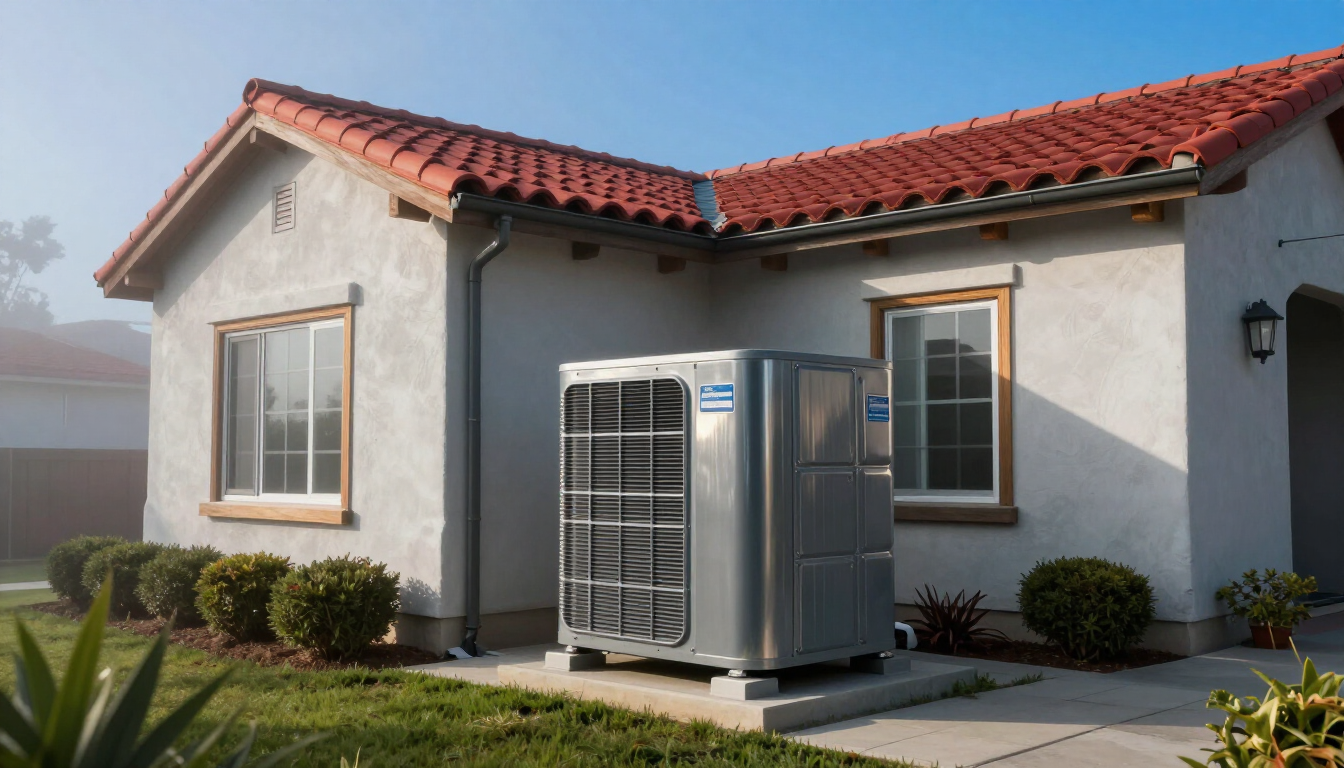
A modern HVAC unit outside a San Diego home.
July 27, 2026
Is your HVAC system making weird sounds? Learn which rattles, squeals, and buzzes require immediate repair to avoid costly breakdowns and safety hazards.
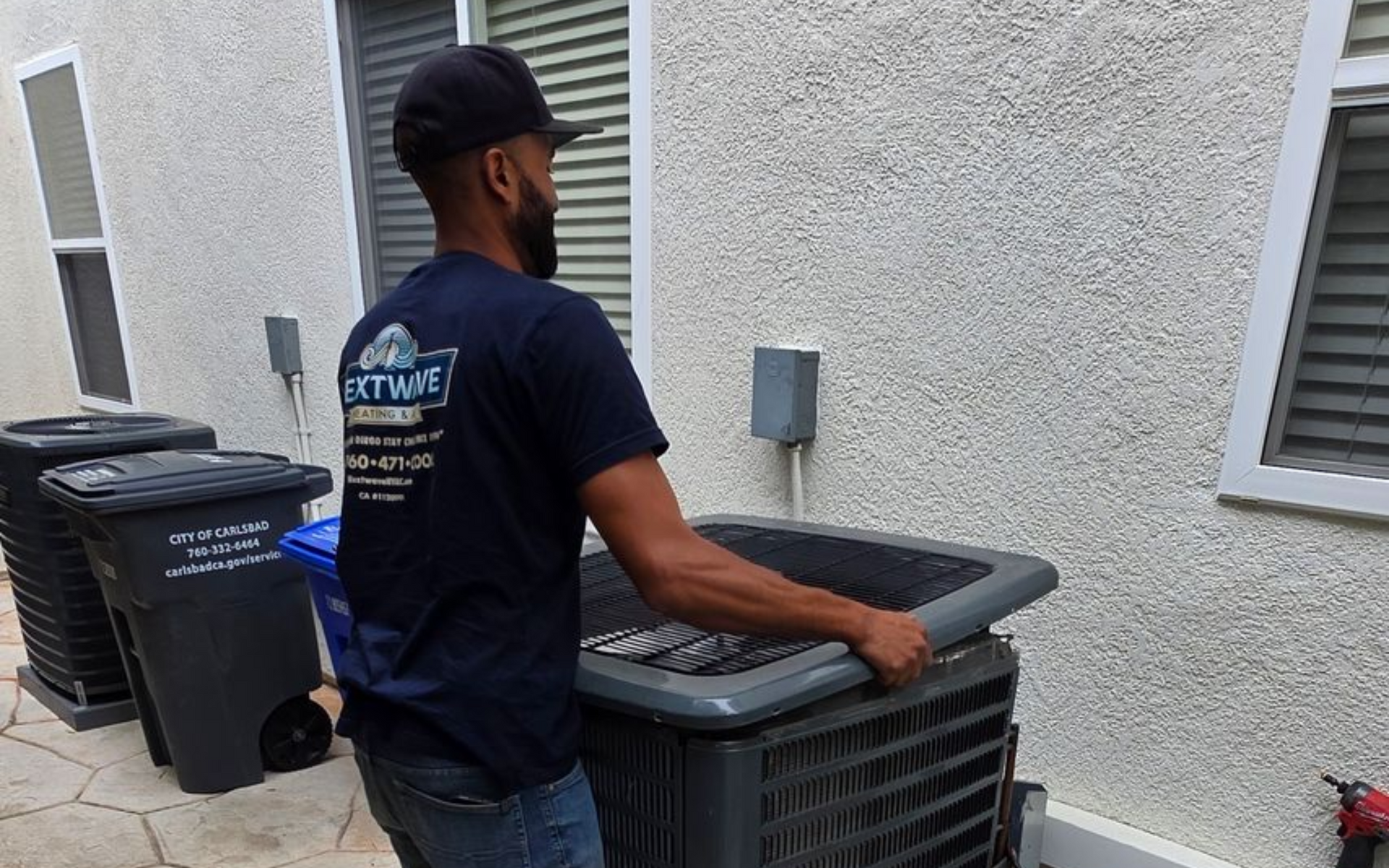
Professional HVAC technician performing a maintenance check on a residential unit.
July 10, 2026
Learn why regular HVAC maintenance checks are essential for San Diego homeowners. Discover how to save money, improve air quality, and prevent breakdowns with NextWave.
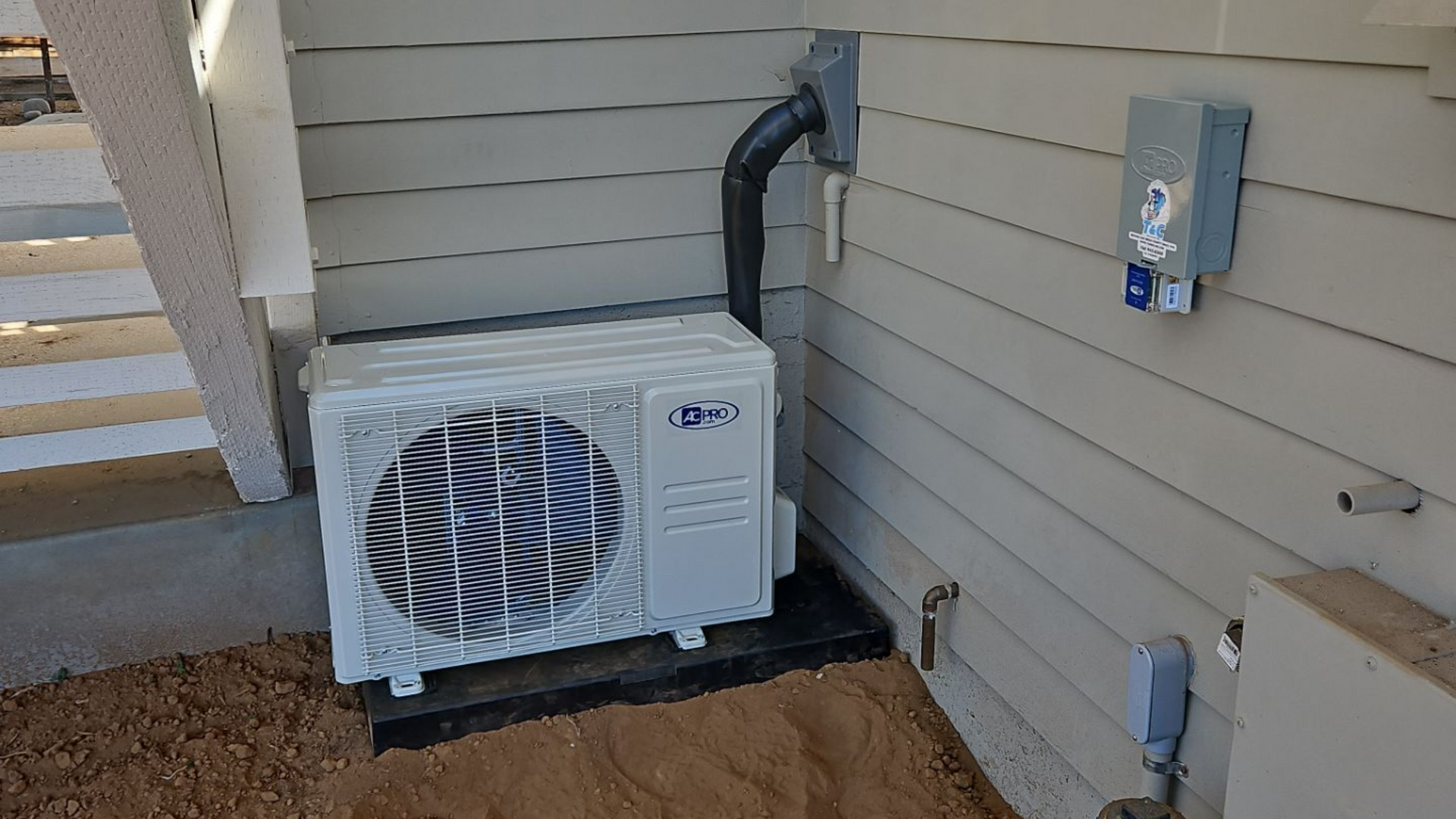
Technician inspecting an air conditioning unit for summer prep.
June 19, 2026
Ensure your San Diego home stays cool. Follow our expert guide to AC maintenance, from simple DIY tips to professional tune-ups with NextWave Heating and Air.
Modern smart thermostat showing energy efficient settings for summer cooling.
June 4, 2026
Discover practical tips to save electricity during summer in San Diego. Learn how to optimize your HVAC, use smart thermostats, and reduce cooling costs effectively.
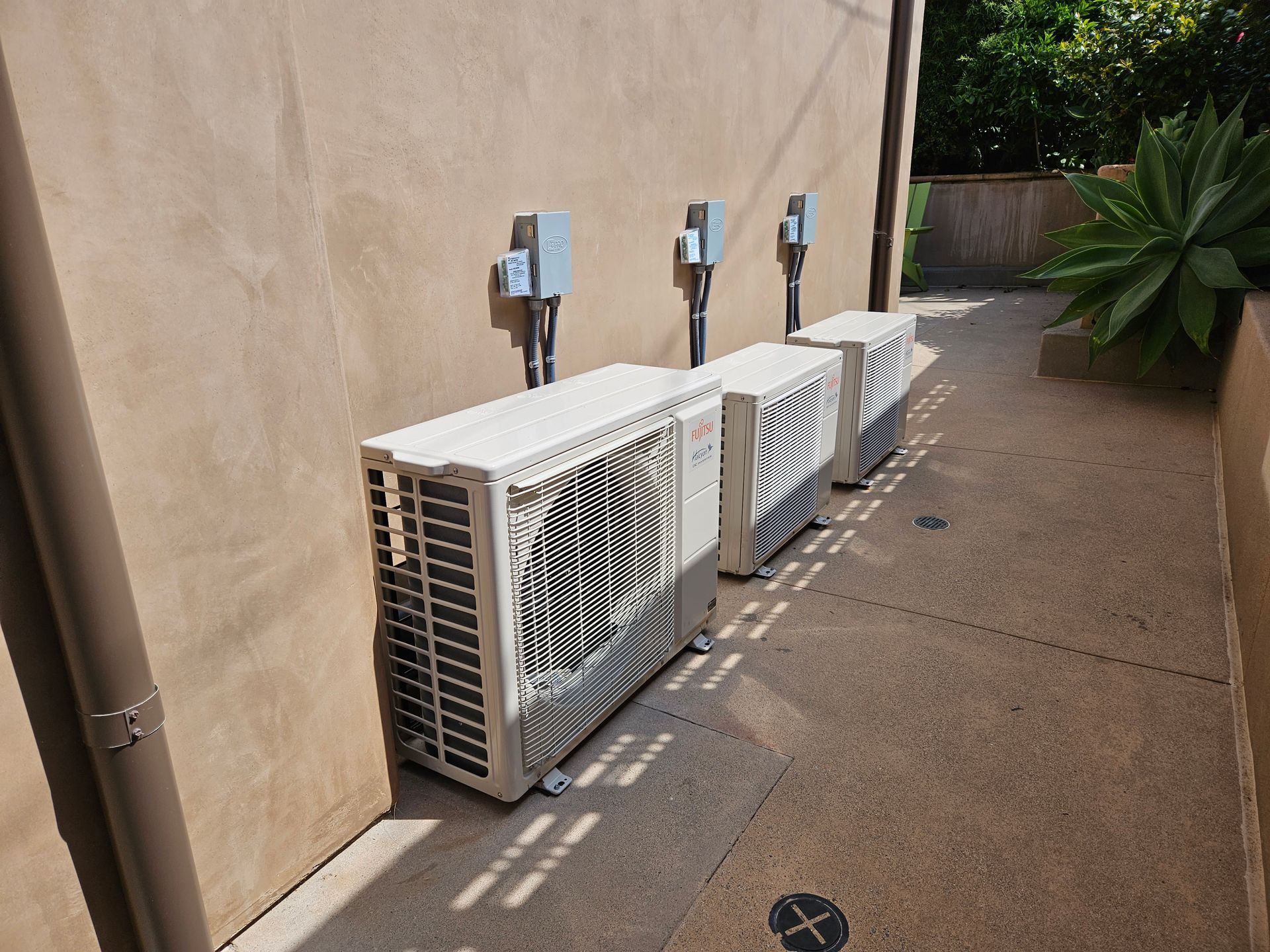
By Webster vejano • May 15, 2026
Stay Cool and Avoid Costly Breakdowns With These Early Warning Signs From Your HVAC System
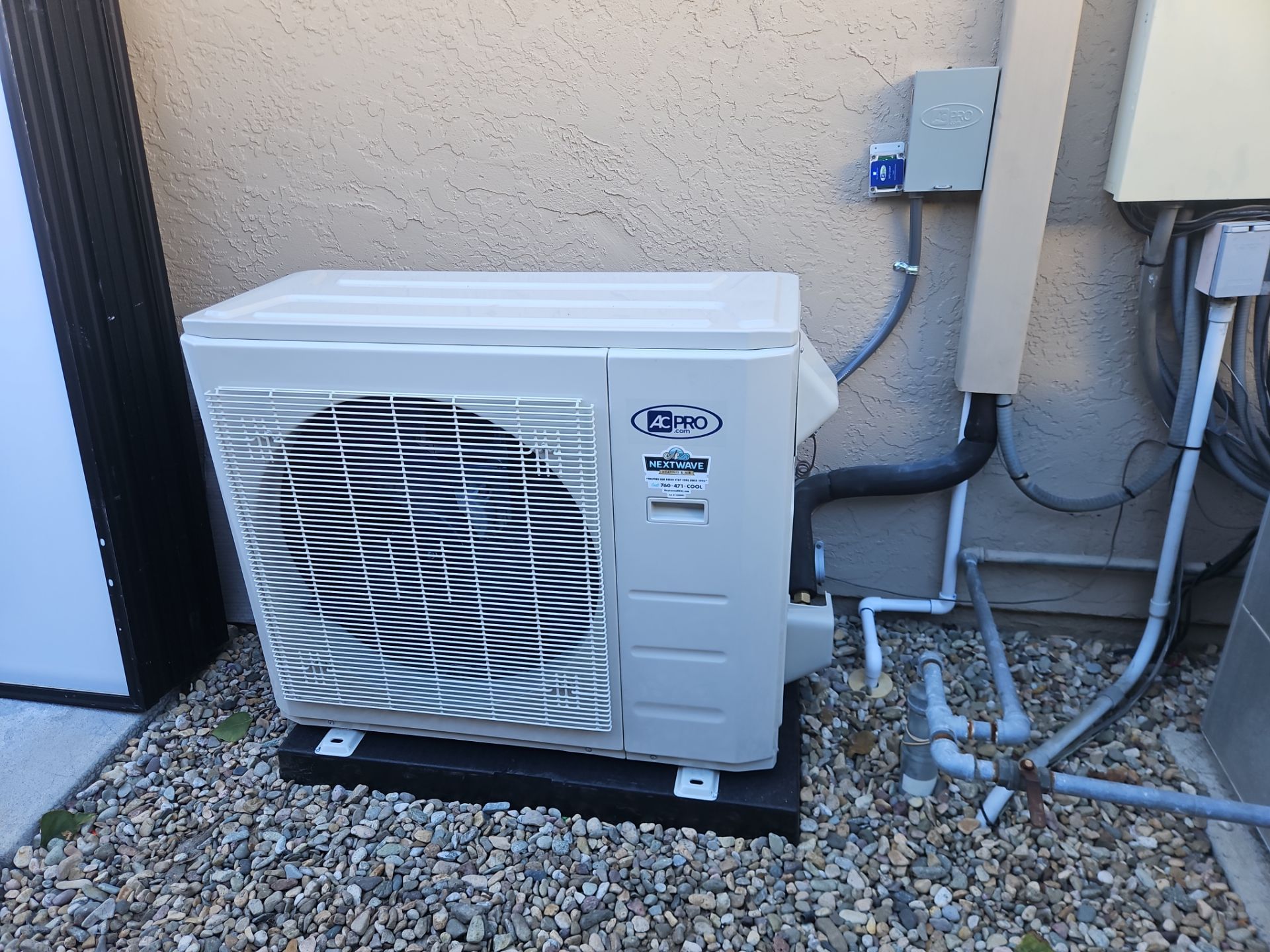
By doug • January 20, 2026
What if I told you that most systems aren't working the way they were designed and aren't hitting the efficiency ratings that your hvac contractor said it was? It usually comes down to improper airflow. Your Hvac system's airflow is probably the biggest limiting factor for its efficiency and costing you lots of money every year and you probably don't even know it. Let's go over why it's so important and how we can make sure that you Heating and Air conditioning system is working at peak performance!
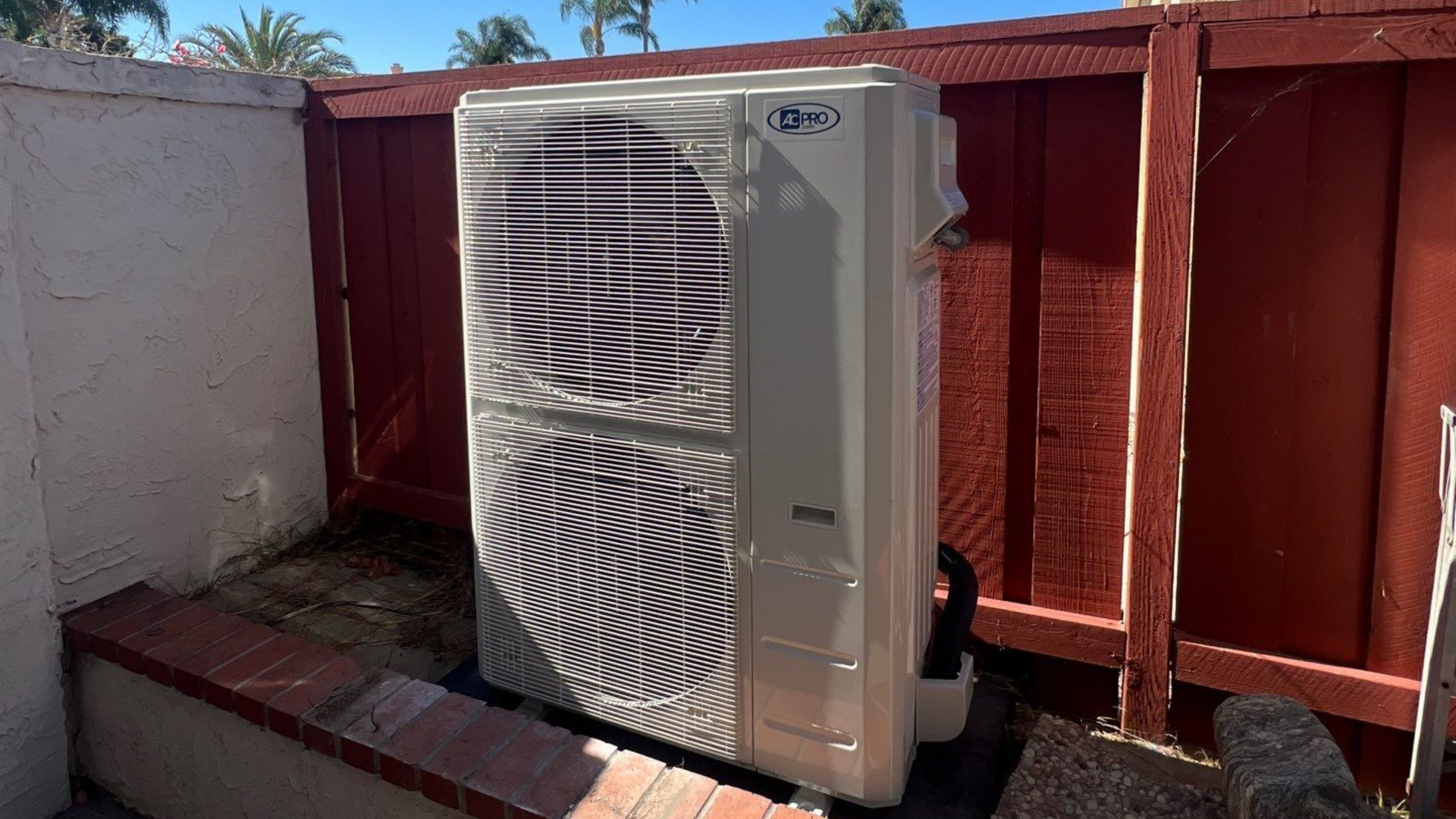
By doug • January 20, 2026
Your HVAC system plays a crucial role in keeping your home comfortable year-round. Whether it's cooling your home during hot summer days or keeping you warm in colder months, regular maintenance ensures your system runs efficiently and reliably when you need it most.
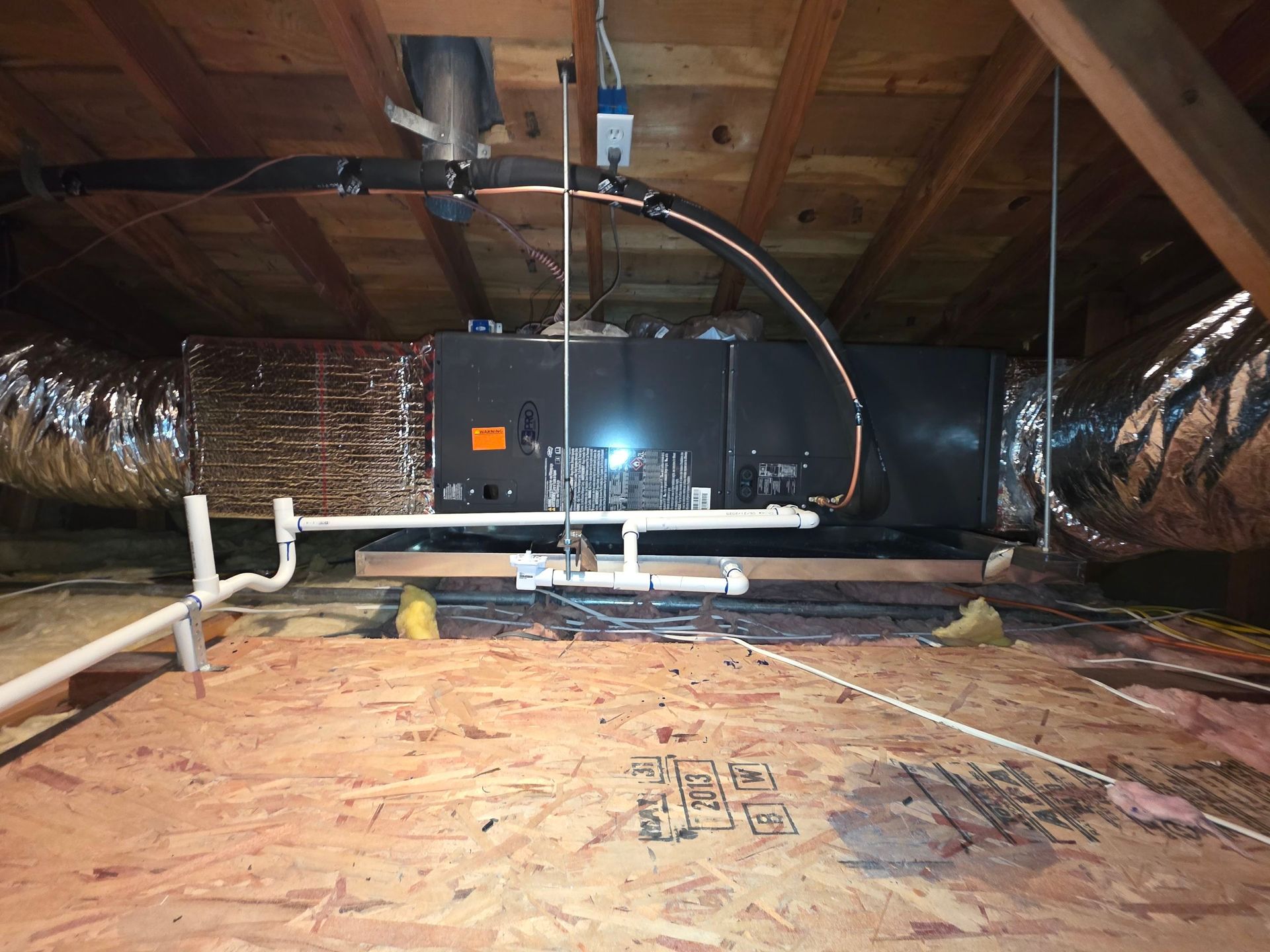
By doug • January 20, 2026
As temperatures begin to rise in San Diego , preparing your HVAC system for the summer season is essential to keep your home comfortable and energy-efficient. A little preparation before peak heat arrives can help prevent breakdowns, reduce energy costs, and ensure reliable cooling when you need it most.