7 Funny HVAC Trivia Facts to Cool Your Home
Funny HVAC trivia is a playful way to discover how heating and cooling systems work. From air conditioners borrowing refrigeration ideas to thermostats behaving like tiny home referees, these facts make comfort technology easier to understand—and may help San Diego County homeowners spot maintenance needs before their HVAC system starts auditioning for a disaster movie.
1. Did air conditioning come before the ice age?
Not quite—but mechanical air conditioning is older than many people guess. Willis Carrier developed one of the first modern air-conditioning systems in 1902. It was designed to control humidity for a printing company, not to help people binge-watch television under a blanket in August.
That means air conditioning originally focused on protecting paper and improving manufacturing. Human comfort became a major reason for using it later. Today, the same basic idea—moving heat and controlling moisture—helps keep homes comfortable when San Diego weather decides to serve sunshine with a side of humidity.
The trivia takeaway: Your air conditioner is not “making cold.” It is removing heat from indoor air and releasing that heat outdoors. Technically, your system is a heat-moving magician. The rabbit is warmth. The hat is refrigerant.
2. Why does an HVAC system move heat instead of create cold?
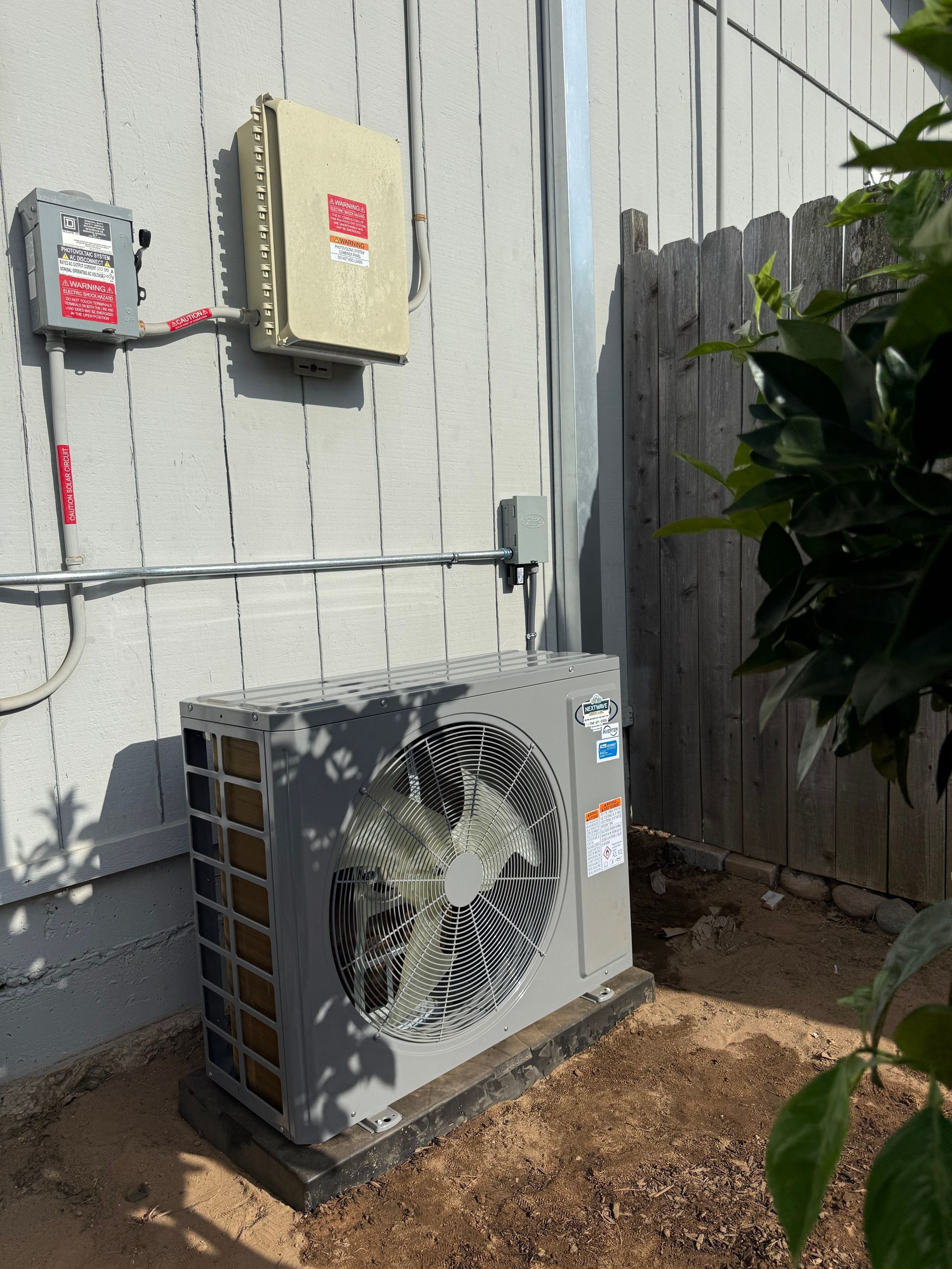
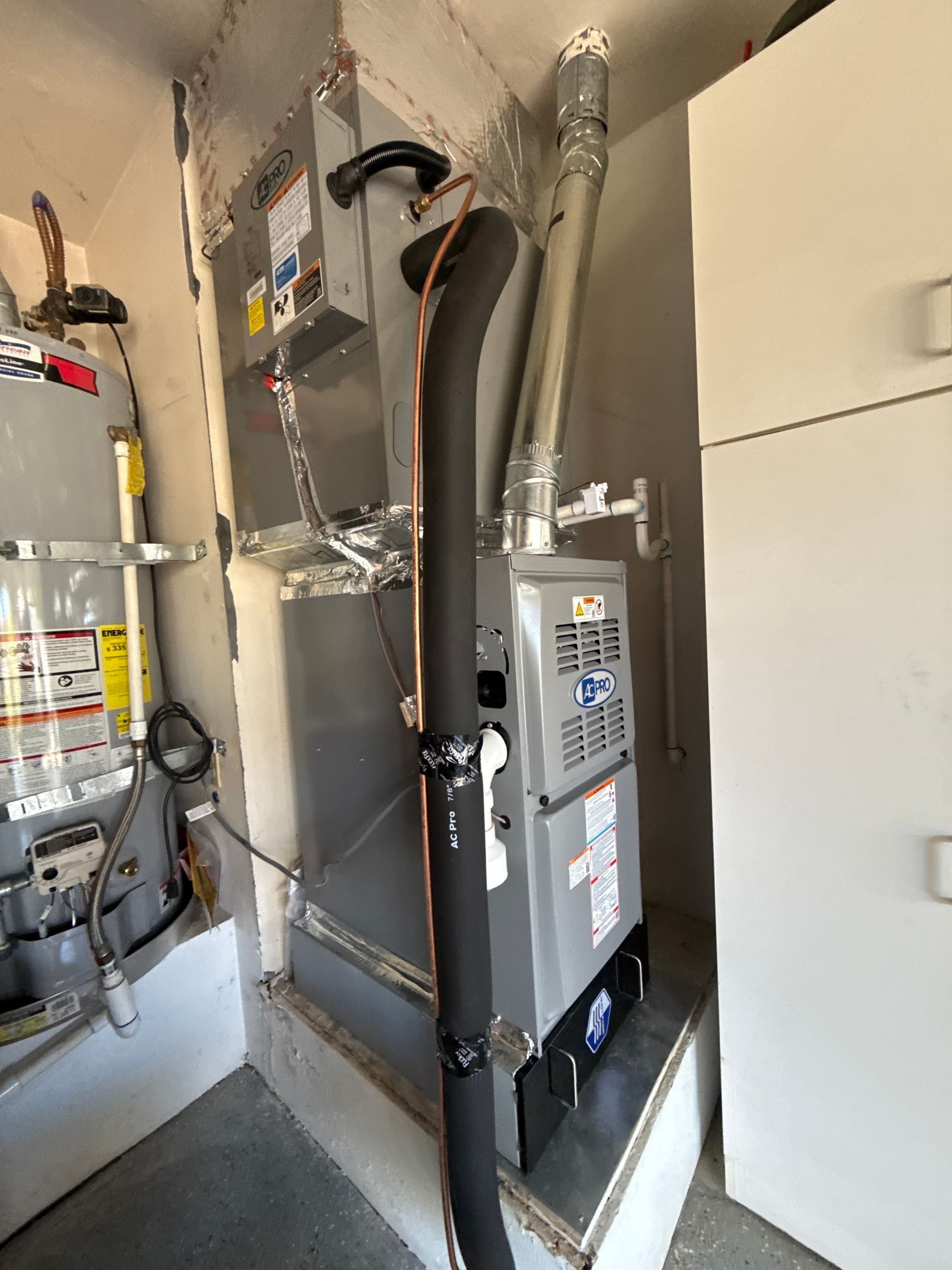
An air conditioner uses refrigerant, coils, a compressor, and fans to transfer heat. Indoor air passes over a cold evaporator coil. The coil absorbs heat, while the blower sends cooler air back into the home. The refrigerant then carries the captured heat outside, where the condenser releases it.
A simplified cooling cycle looks like this:
- Warm indoor air enters through the return vent.
- The evaporator coil absorbs heat from that air.
- The blower circulates cooler air through the home.
- Refrigerant carries the heat to the outdoor unit.
- The condenser releases heat outside.
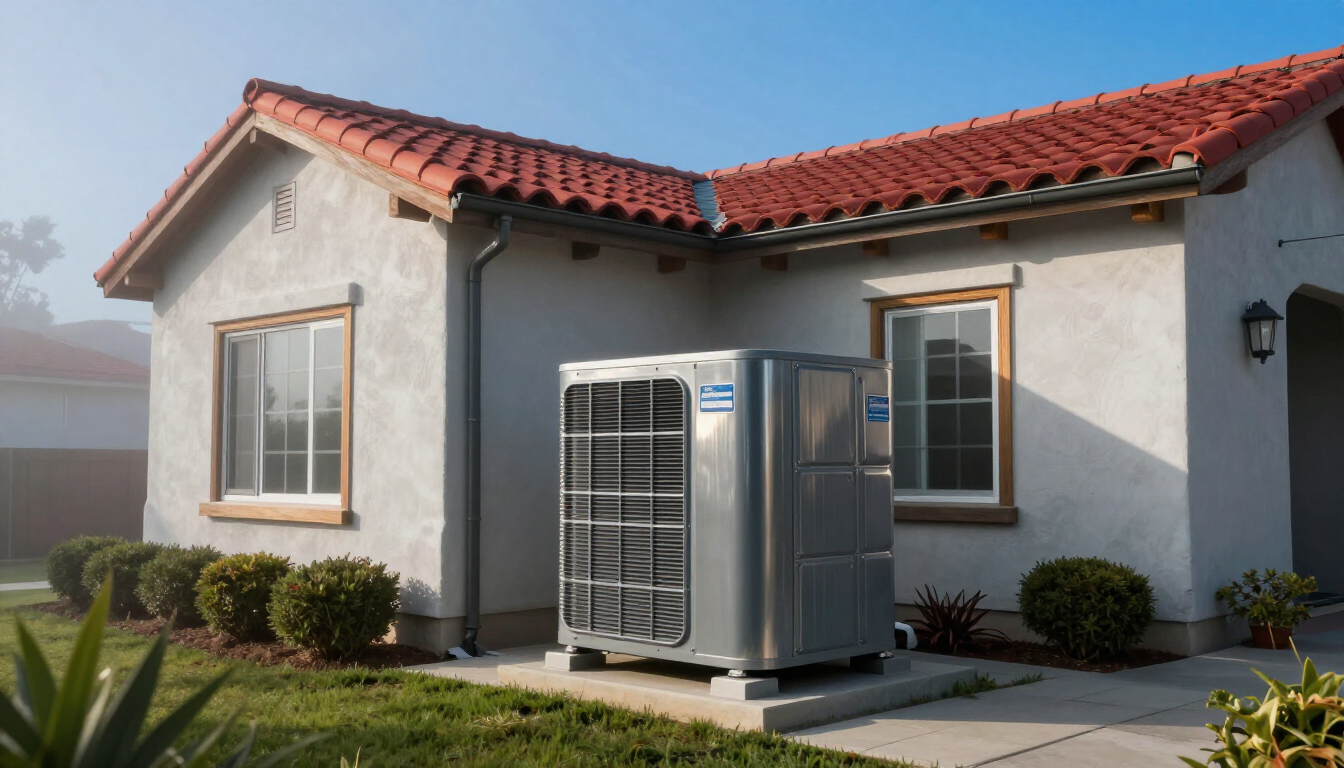
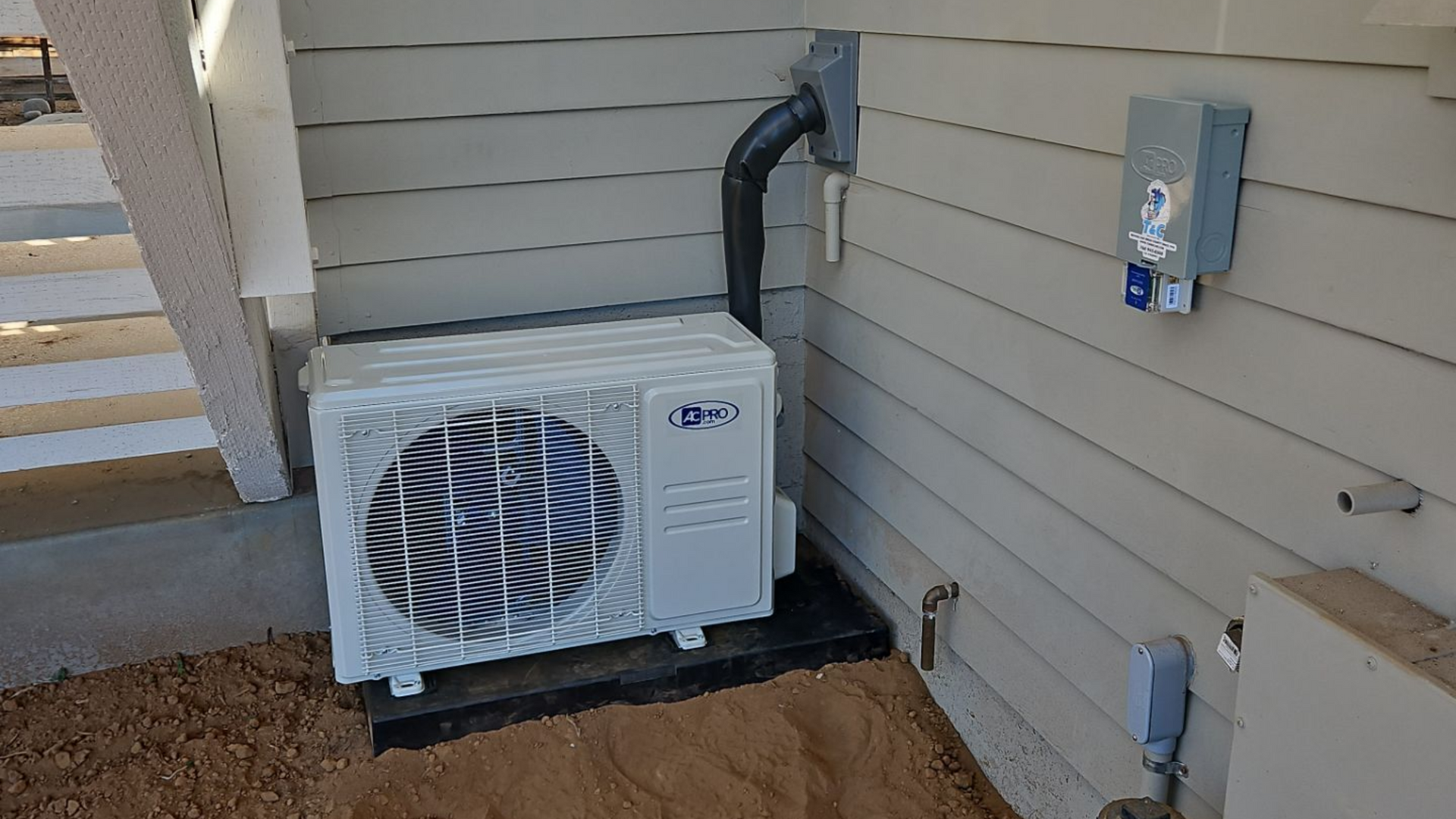
This is why an outdoor unit can feel surprisingly warm while your living room gets cooler. The system is exporting the heat it removed. It is basically telling indoor warmth, “Your reservation is outside.”
For more practical cooling information, explore Cooling services from NextWave Heating and Air.
A small machine with a big job
HVAC means heating, ventilation, and air conditioning. The acronym sounds like it belongs on a laboratory door, but it describes the everyday systems that manage temperature, airflow, and indoor air quality.
A residential HVAC system may help with:
- Heating rooms during chilly mornings
- Cooling indoor spaces during warm weather
- Moving and filtering air
- Managing humidity
- Supporting more consistent comfort throughout the home
In San Diego County, cooling often gets the spotlight. However, heating still matters during cool evenings and winter mornings. A system that is efficient, correctly sized, and properly maintained can handle both without making your utility bill perform a dramatic monologue.
3. Can a ceiling fan lower the room temperature?
Usually, no. A ceiling fan does not significantly lower the actual temperature of a room. Instead, it moves air across your skin, helping sweat evaporate and making you feel cooler. That is why a fan can improve comfort even when the thermostat setting stays exactly the same.
This distinction matters when using your HVAC system. A fan can let you raise the thermostat slightly while maintaining a similar comfort level, potentially reducing cooling demand. But leaving a fan running in an empty room does not cool the furniture. Your sofa is not sweating.
Use ceiling fans strategically:
- Run them counterclockwise in cooling season, if your fan supports that setting.
- Turn them off when rooms are unoccupied.
- Use them to supplement, not replace, proper air conditioning.
- Keep blades clean so dust does not become airborne confetti.
4. Why is a dirty filter an HVAC villain?
A clogged air filter restricts airflow. When the system struggles to pull and move air, it may run longer, work harder, cool unevenly, or develop avoidable strain. In severe cases, restricted airflow can contribute to a frozen coil or system shutdown.
Filter schedules vary based on the filter type, household conditions, pets, remodeling, and indoor air quality needs. A good homeowner habit is to check the filter monthly. Replace or clean it according to the manufacturer’s instructions rather than waiting for it to resemble a gray pancake.
Watch for warning signs:
- Weak airflow from vents
- Dust collecting quickly around the home
- Rooms that never seem to reach the set temperature
- Longer cooling cycles
- Unusual system noises
For broader strategies, visit Indoor Air Quality . Cleaner airflow can support comfort and help your HVAC system operate more effectively.
5. Does thermostat location really matter?
Yes. A thermostat measures the temperature around it, so location can affect when your system turns on and off. A thermostat near direct sunlight, a kitchen, a drafty doorway, a supply vent, or a frequently opened exterior door may read a temperature that does not represent the rest of the home.
For better readings, thermostats are generally placed on an interior wall away from heat sources and direct sunlight. Smart thermostats can add scheduling, remote control, and usage insights, but technology cannot fully rescue a sensor installed beside a toaster.
If different parts of your home feel dramatically warmer or cooler, the issue may involve airflow, insulation, ductwork, system sizing, or thermostat placement. Changing the setpoint repeatedly may only make the system work harder without solving the underlying problem.
The surprising truth about “closing vents”
Closing supply vents in unused rooms can sound efficient, but it is not always a helpful strategy. Residential HVAC systems are designed for a particular airflow balance. Closing too many vents can increase pressure in the ductwork and affect comfort or equipment performance.
Instead of treating vents like tiny doors to rooms you dislike, consider these steps:
- Keep supply and return vents open and unobstructed.
- Move furniture, curtains, and rugs away from grilles.
- Check whether the filter is clean.
- Note which rooms have comfort problems.
- Ask a qualified professional to evaluate airflow if uneven temperatures continue.
Sometimes the solution is a duct adjustment, insulation improvement, zoning plan, or equipment assessment—not a vent-closure strategy worthy of a tiny HVAC courtroom.
6. Why does regular maintenance matter in San Diego County?
Regular maintenance helps identify worn components, airflow restrictions, electrical concerns, refrigerant issues, and drainage problems before they become larger disruptions. San Diego’s generally mild climate can encourage homeowners to postpone service, but HVAC systems still accumulate dust, operate under load, and age one season at a time.
A professional maintenance visit may include checking and cleaning relevant components, inspecting connections, reviewing system operation, and looking for signs of trouble. Maintenance cannot guarantee that a system will never fail, but it can improve awareness and reduce the chance of being surprised by a breakdown during an inconvenient heat wave.
Homeowners can also help by:
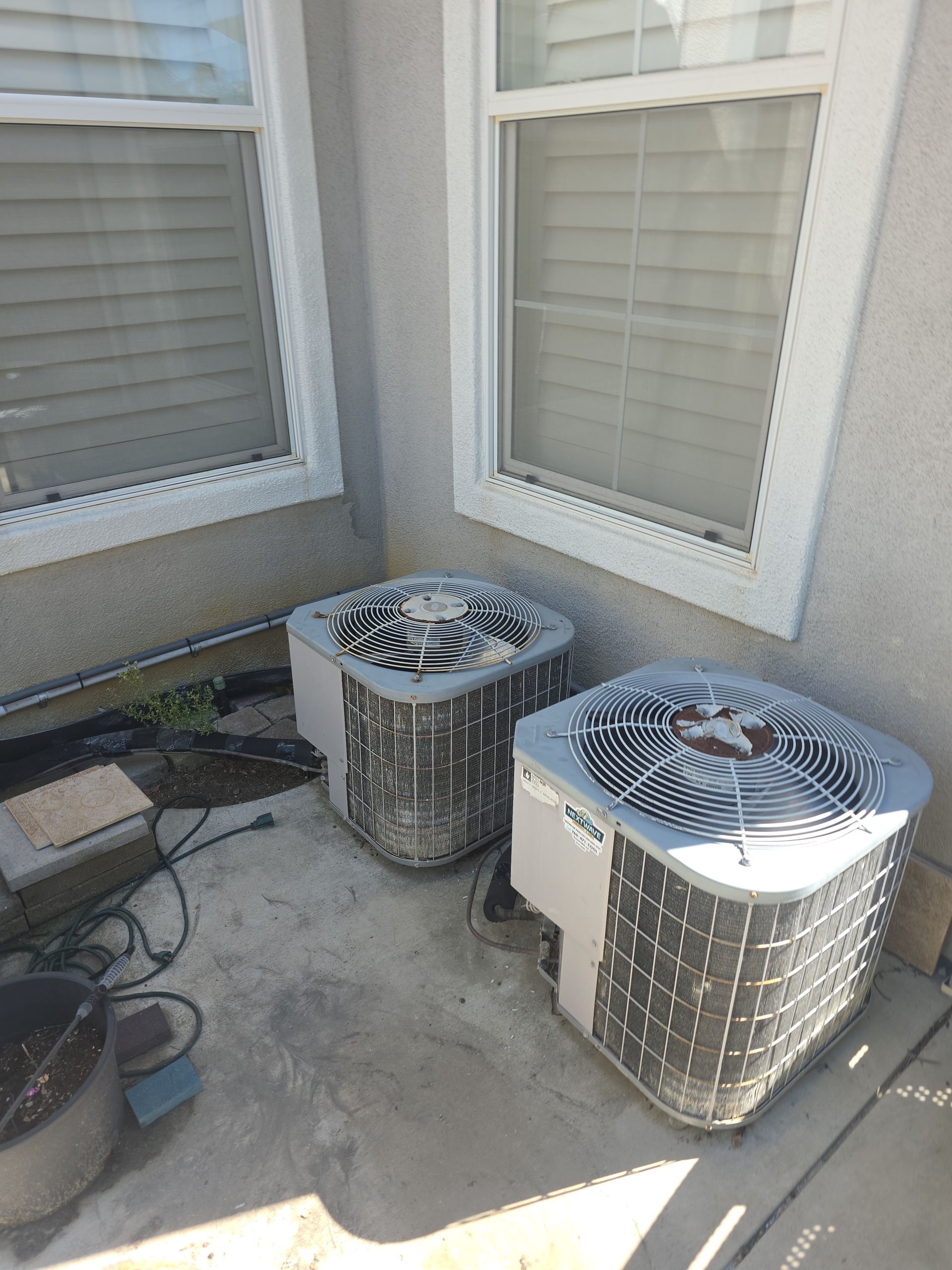
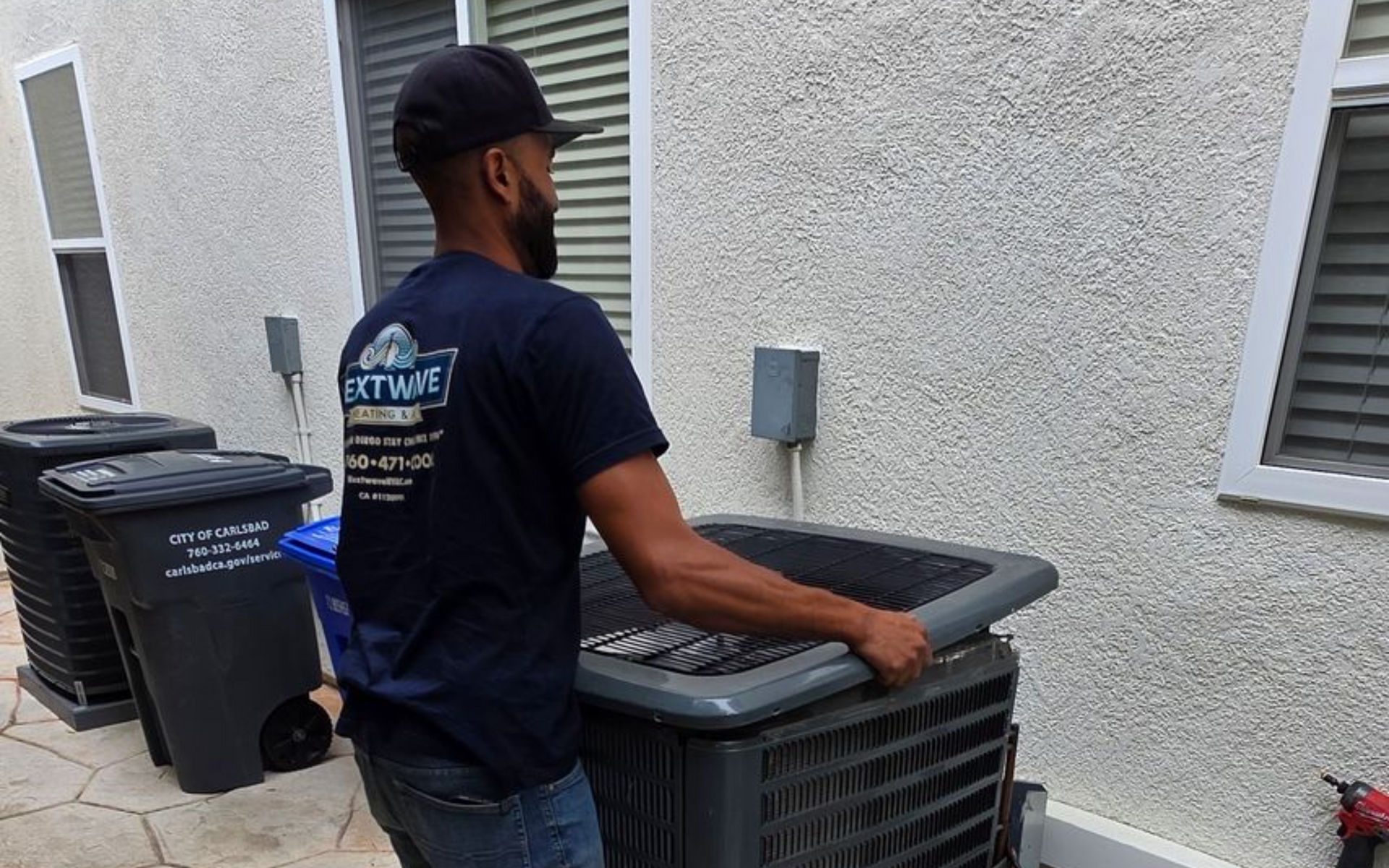
- Keeping the outdoor unit clear of leaves and overgrown plants
- Replacing filters on an appropriate schedule
- Checking for unusual sounds, smells, or water around equipment
- Keeping vents and returns unobstructed
- Scheduling an evaluation when performance changes
For examples of completed work, browse Recent Projects .
7. What should homeowners do when an HVAC system acts strange?
Treat unusual behavior as useful information, not a personal challenge from the machine. A system that makes grinding sounds, cycles constantly, produces weak airflow, leaks water, smells unusual, or fails to reach the set temperature deserves attention.
Start with simple, safe checks:
- Confirm the thermostat is set correctly and has power.
- Check whether the filter is excessively dirty.
- Make sure supply and return vents are open.
- Inspect the outdoor unit for obvious debris, without opening panels.
- Contact a qualified HVAC professional if the issue continues.
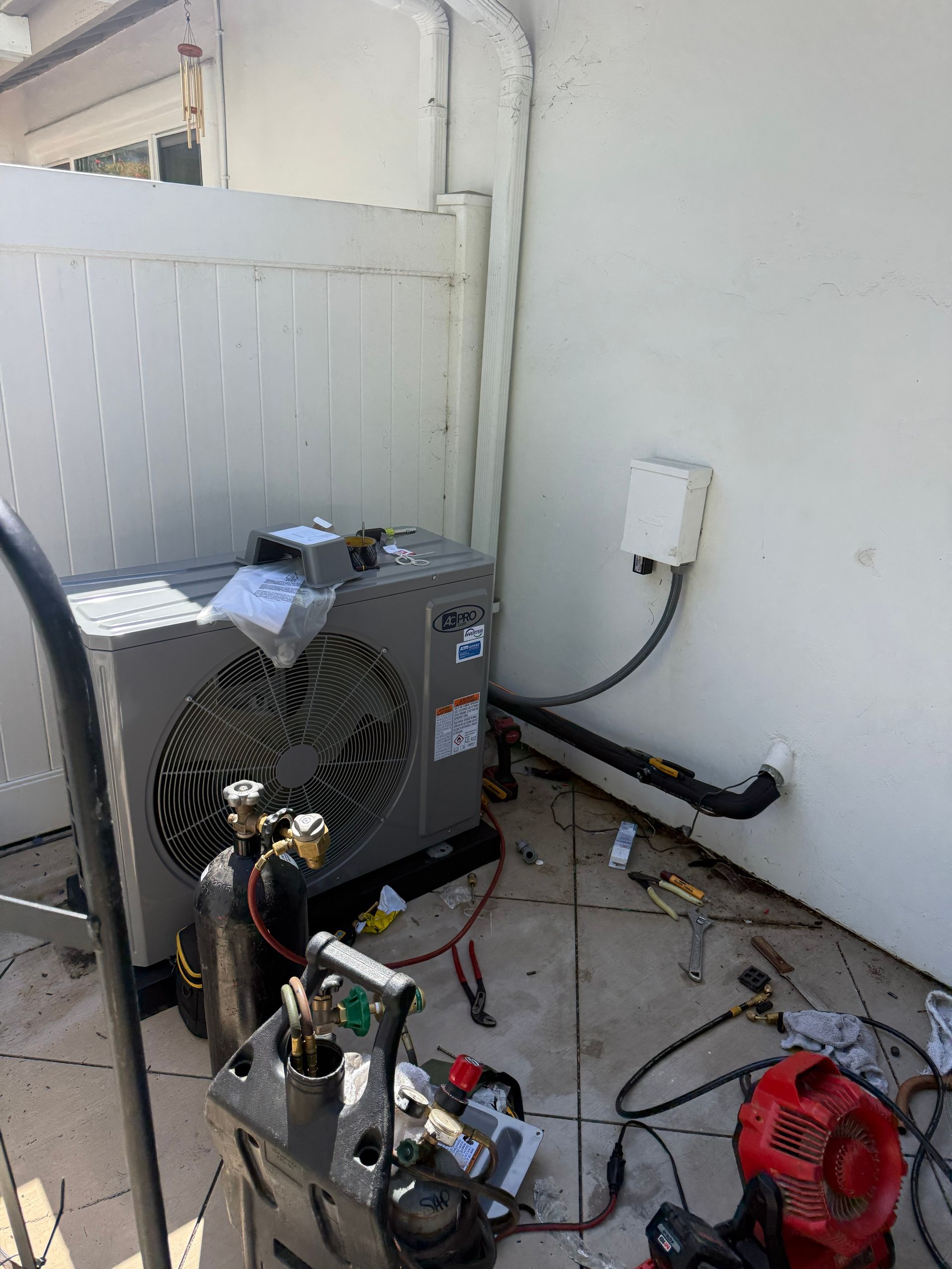
Do not attempt electrical, refrigerant, or complex mechanical repairs without the right training. An HVAC system is not a weekend craft project just because it has screws.
A quick HVAC trivia quiz
Test your comfort knowledge before scrolling to the answers:
- Does an air conditioner create cold or move heat?
- Can a ceiling fan cool an empty room?
- What does HVAC stand for?
- Why can a dirty filter cause trouble?
- Can thermostat placement affect comfort?
Answers:
- It moves heat from indoors to outdoors.
- No. It mainly makes people feel cooler by moving air across the skin.
- Heating, ventilation, and air conditioning.
- It can restrict airflow and make the system work harder.
- Yes. A poorly located thermostat may measure an unrepresentative temperature.
Final takeaway: the fun facts are useful
Funny HVAC trivia is more than a collection of strange facts about fans, filters, and refrigerant. It explains why airflow matters, why thermostat location counts, and why routine maintenance can protect comfort. For San Diego County homeowners, the smartest next step is simple: check the filter, keep vents clear, watch for unusual system behavior, and arrange professional help when performance changes. If you are considering service, replacement, or a more efficient comfort plan, request an instant quote or contact NextWave Heating and Air . Your HVAC system may never tell a joke—but it can keep the punchline from being a surprise breakdown.