How to Plan HVAC Maintenance in San Diego

October 19, 2026

Share this article

HVAC maintenance in San Diego is a scheduled inspection, cleaning, and adjustment of your heating and cooling system. It helps prevent sudden breakdowns, improve energy efficiency, protect indoor air quality, and keep your home comfortable through mild winters, hot summers, coastal moisture, and inland temperature swings.

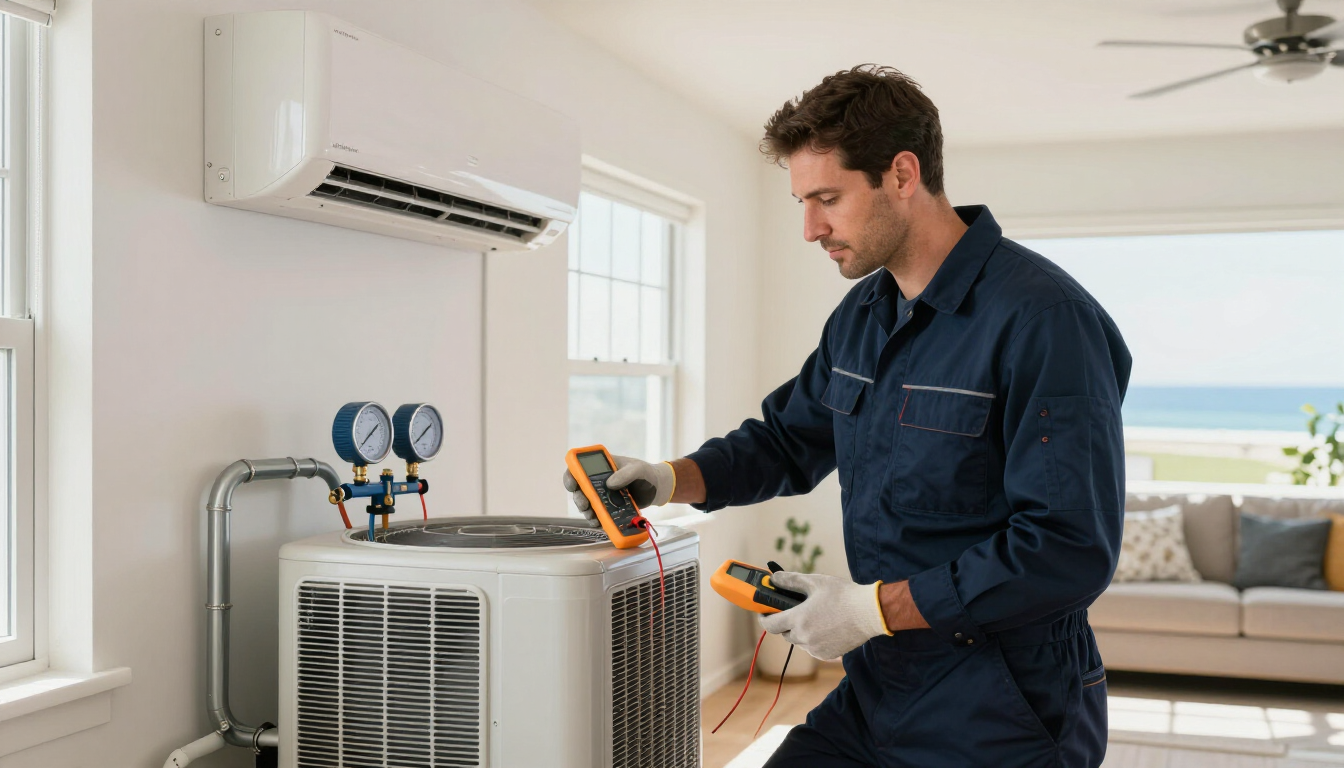
Technician performing HVAC maintenance in San Diego

Why does HVAC maintenance matter in San Diego?

San Diego’s climate can make HVAC problems easy to overlook. Many homeowners do not run their heaters regularly, while air conditioners may sit unused for months before a sudden heat wave. That first demanding day is often when hidden issues become expensive failures.

Routine service gives a technician an opportunity to find small problems before they affect comfort or damage major components. A maintenance visit can also help your system operate more consistently, especially when your home experiences a mix of marine air, dust, pollen, and inland heat.

The main benefits include:

  • Fewer unexpected repairs and emergency service calls
  • More consistent heating and cooling from room to room
  • Lower strain on motors, electrical components, and compressors
  • Better airflow and potentially lower monthly energy use
  • Cleaner indoor air when filters and system components are properly maintained

For broader comfort improvements, explore NextWave Heating and Air’s Cooling , Heating , and Indoor Air Quality services.

How often should you schedule HVAC maintenance?

Most San Diego homeowners should schedule professional HVAC maintenance once or twice per year. A practical approach is to service the air conditioner in spring, before the hottest weather arrives, and the heating system in early fall.

A twice-yearly schedule is especially useful when:

  • Your system is more than 10 years old
  • Your household relies heavily on heating or cooling
  • You have pets, allergies, or noticeable indoor dust
  • Your home is near the coast or in a dusty inland area
  • You have experienced weak airflow, unusual noises, or uneven temperatures

A newer, lightly used system may need less frequent professional attention, but it still benefits from regular filter changes and basic homeowner checks.

What does an HVAC maintenance visit include?

A professional tune-up is more than changing an air filter. The exact checklist depends on your equipment, but a qualified technician typically reviews the system’s safety, performance, cleanliness, and operating condition.

Common tasks may include:

  1. Inspecting electrical connections, wiring, capacitors, and controls
  2. Checking refrigerant-related performance and looking for signs of leaks
  3. Cleaning or inspecting coils, condensate components, and accessible areas
  4. Measuring airflow, temperature differences, and system operation
  5. Lubricating applicable moving parts and checking motors
  6. Examining the blower assembly and duct connections
  7. Testing thermostat operation and reviewing comfort settings
  8. Checking the furnace or heat pump for safe, reliable heating

The technician should explain what was inspected, identify urgent concerns, and distinguish recommended improvements from immediate repairs. Clear communication helps you make a confident decision instead of feeling pressured into unnecessary work.

Which HVAC problems should San Diego homeowners watch for?

Some warning signs deserve attention before your next scheduled visit. A system may continue running while becoming less efficient or closer to failure.

Watch for these symptoms:

  • Strange buzzing, grinding, rattling, or squealing sounds
  • Short cycling, where the system turns on and off repeatedly
  • Weak or inconsistent airflow from supply vents
  • Warm air from cooling vents or cool air during a heating cycle
  • Water around the indoor unit or drain line
  • Rising utility bills without a major change in usage
  • Musty odors, excessive dust, or worsening allergy symptoms

Do not ignore electrical smells, smoke, gas odors, or a system that repeatedly trips a breaker. Turn the equipment off when safe and seek professional assistance promptly.

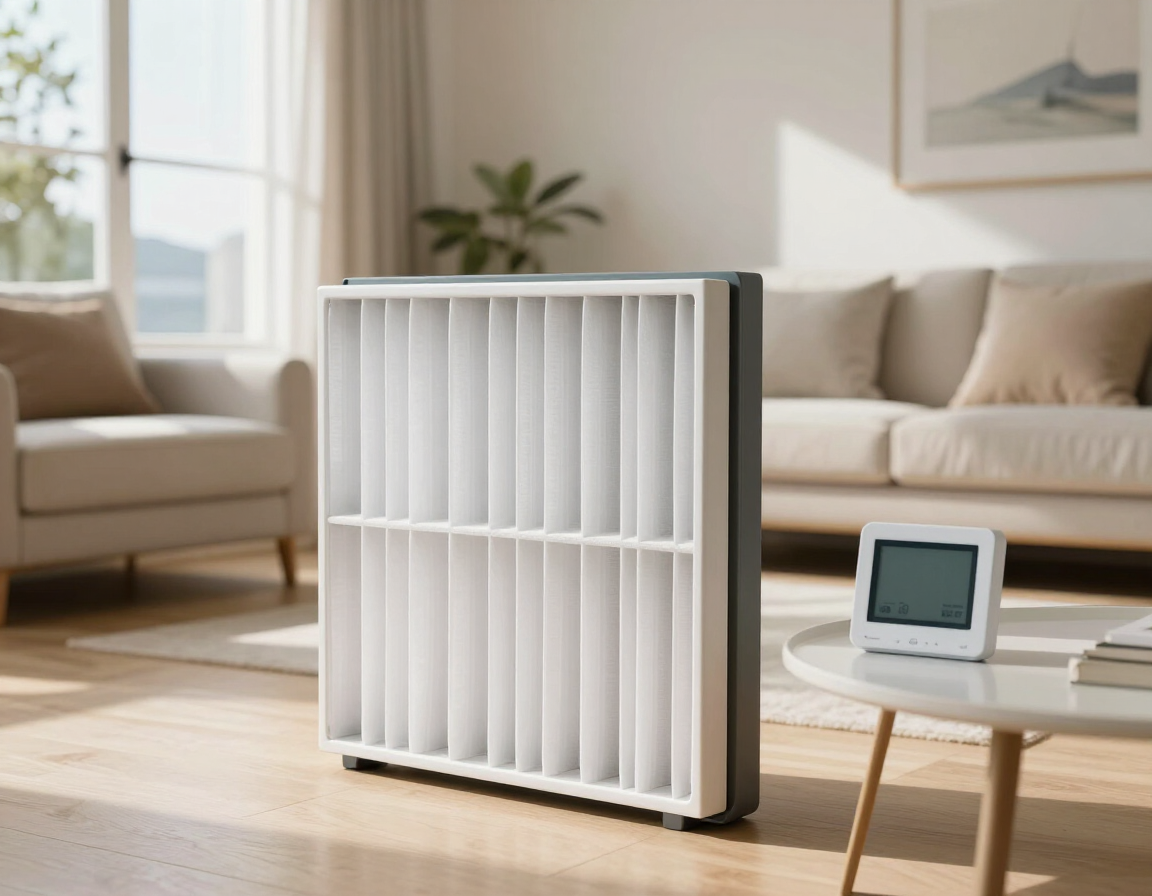
Clean HVAC filter beside a residential thermostat

What can you do between professional visits?

Homeowners can support HVAC performance with a few simple habits. These steps do not replace professional service, but they can reduce avoidable strain and help you notice problems earlier.

  • Replace or clean the filter according to its type and manufacturer guidance. Check it monthly if you have pets, remodeling dust, or allergies.
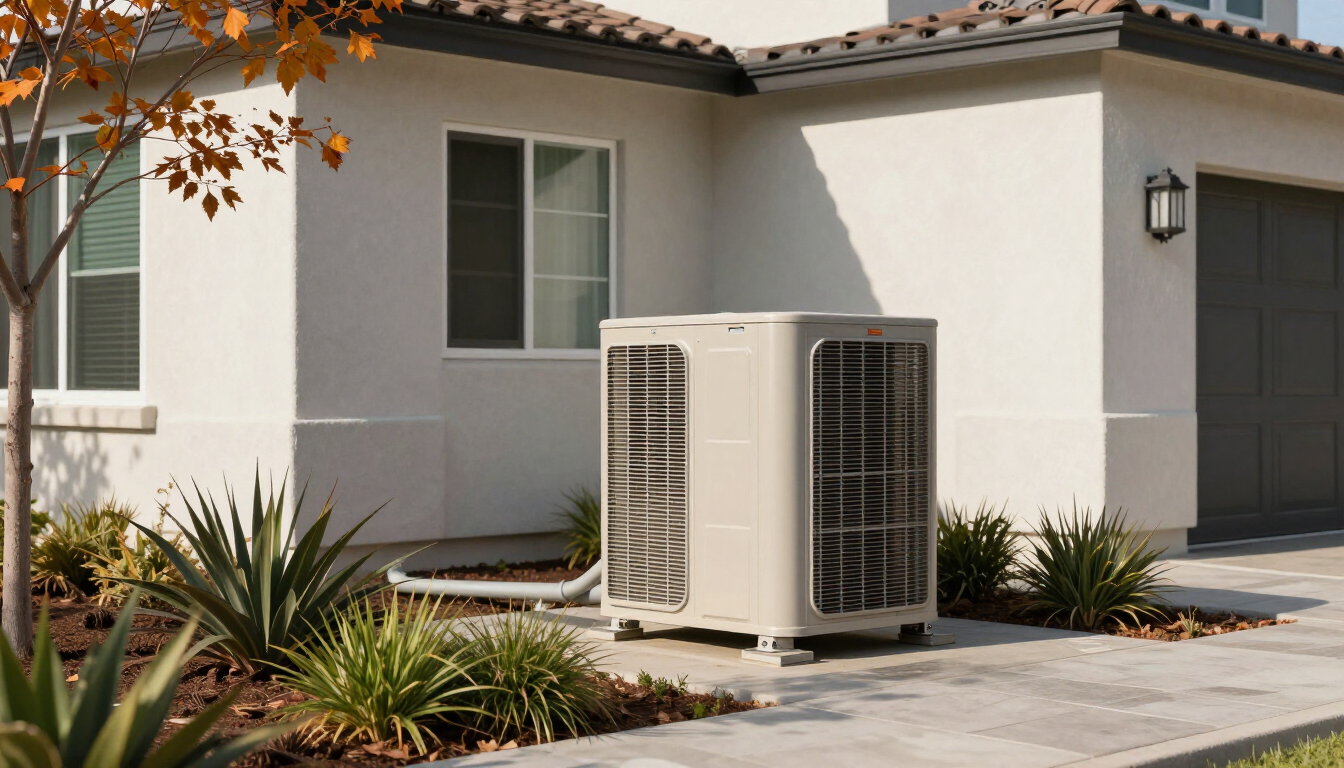
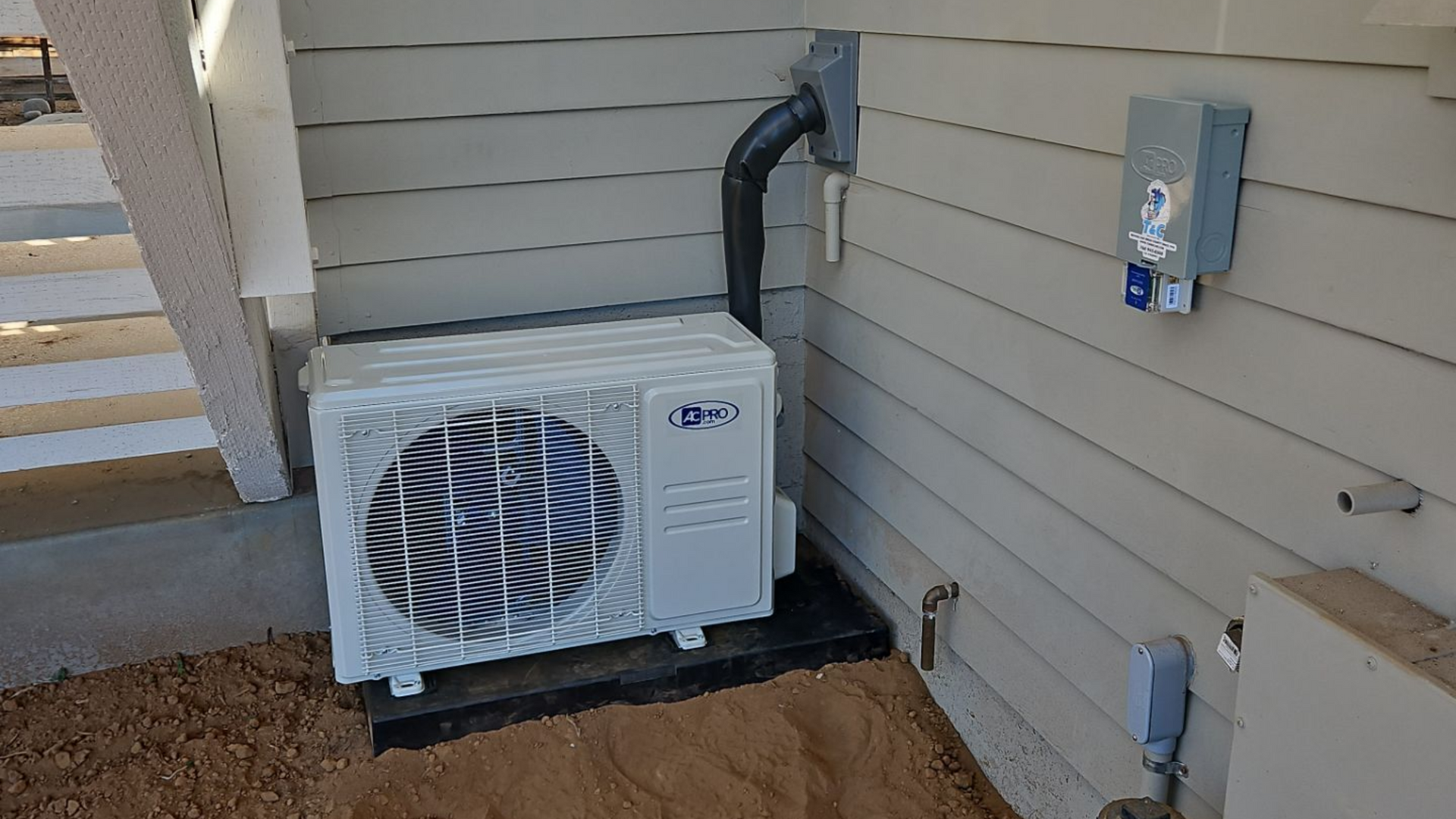
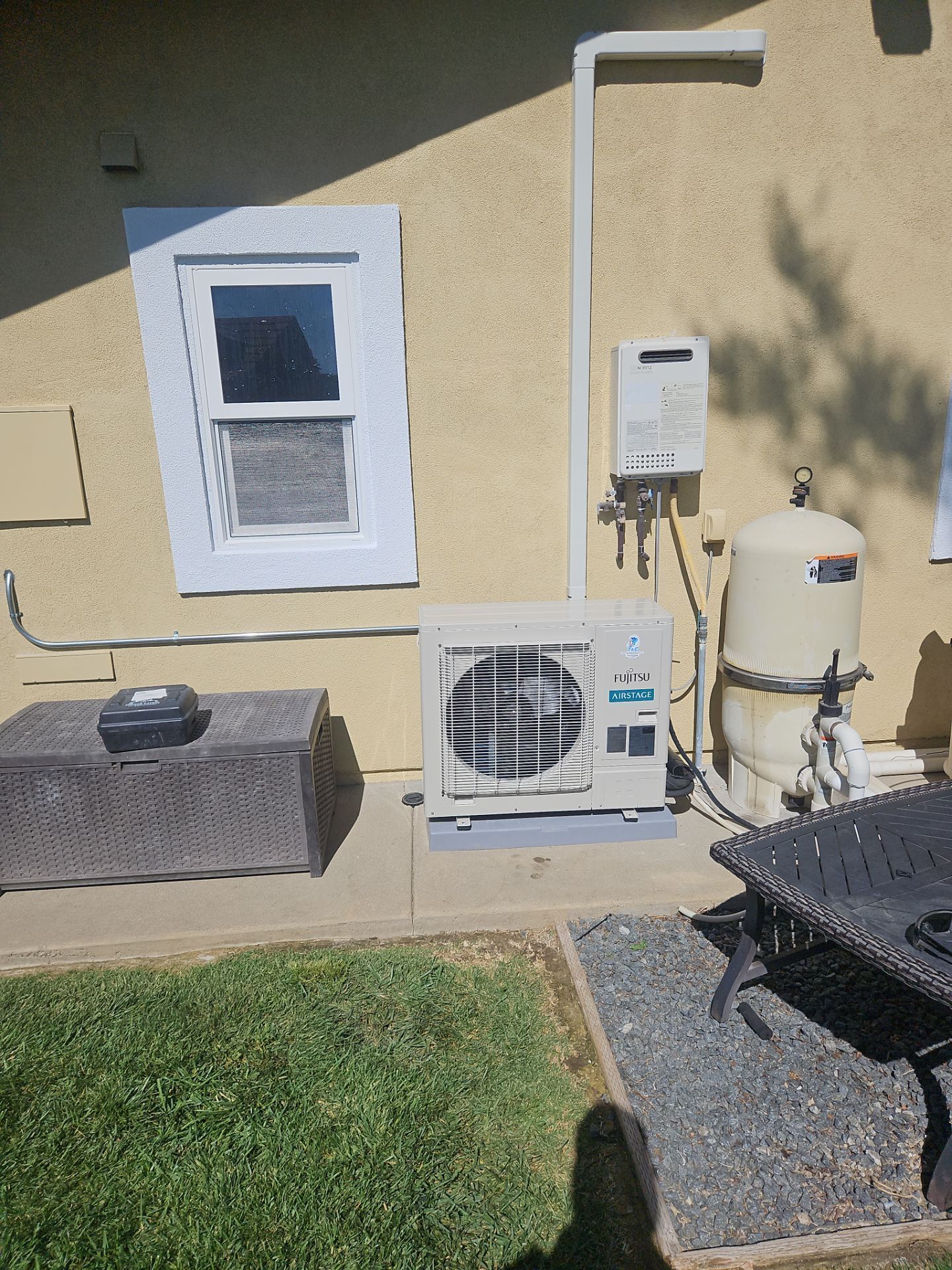
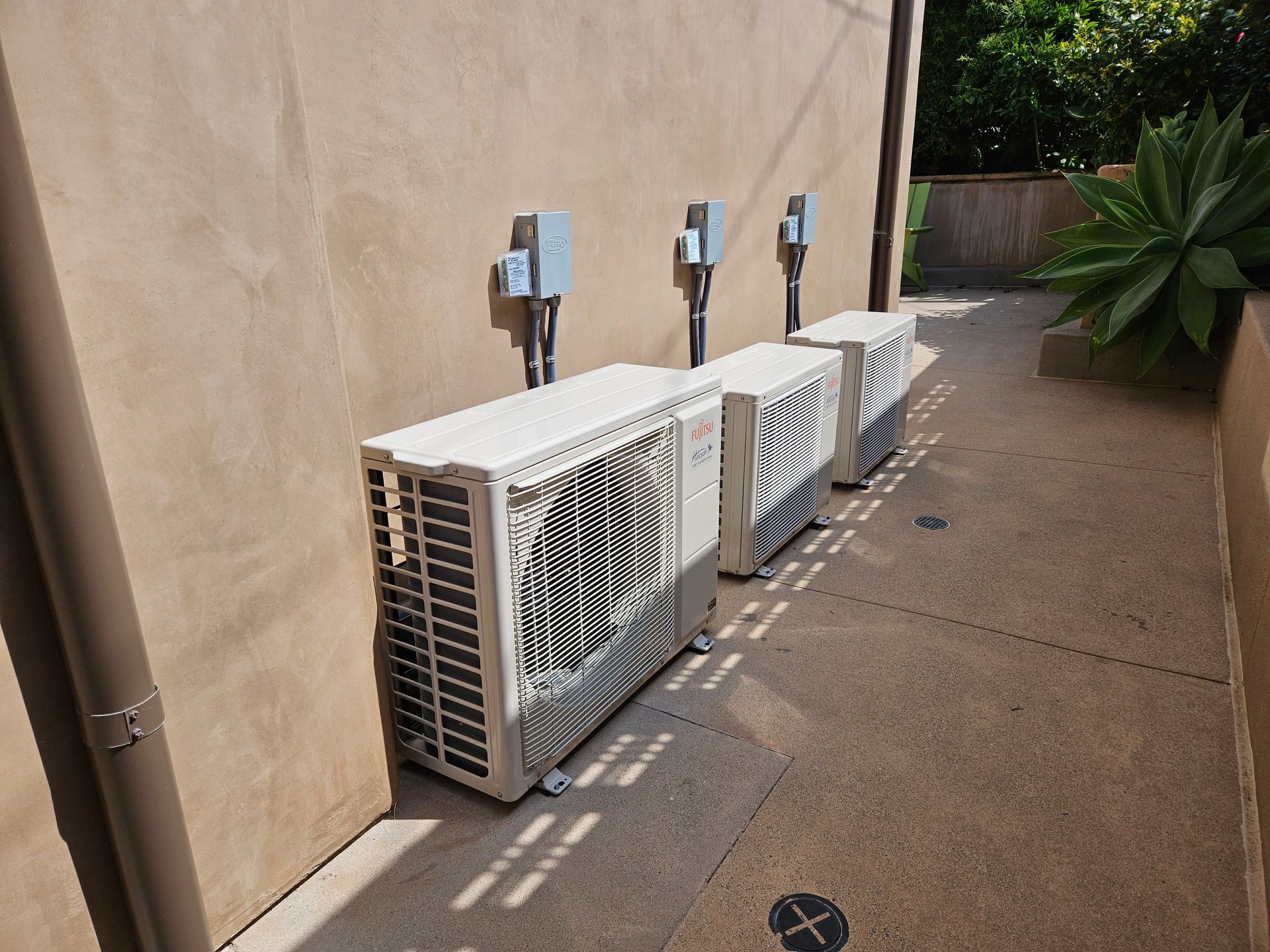
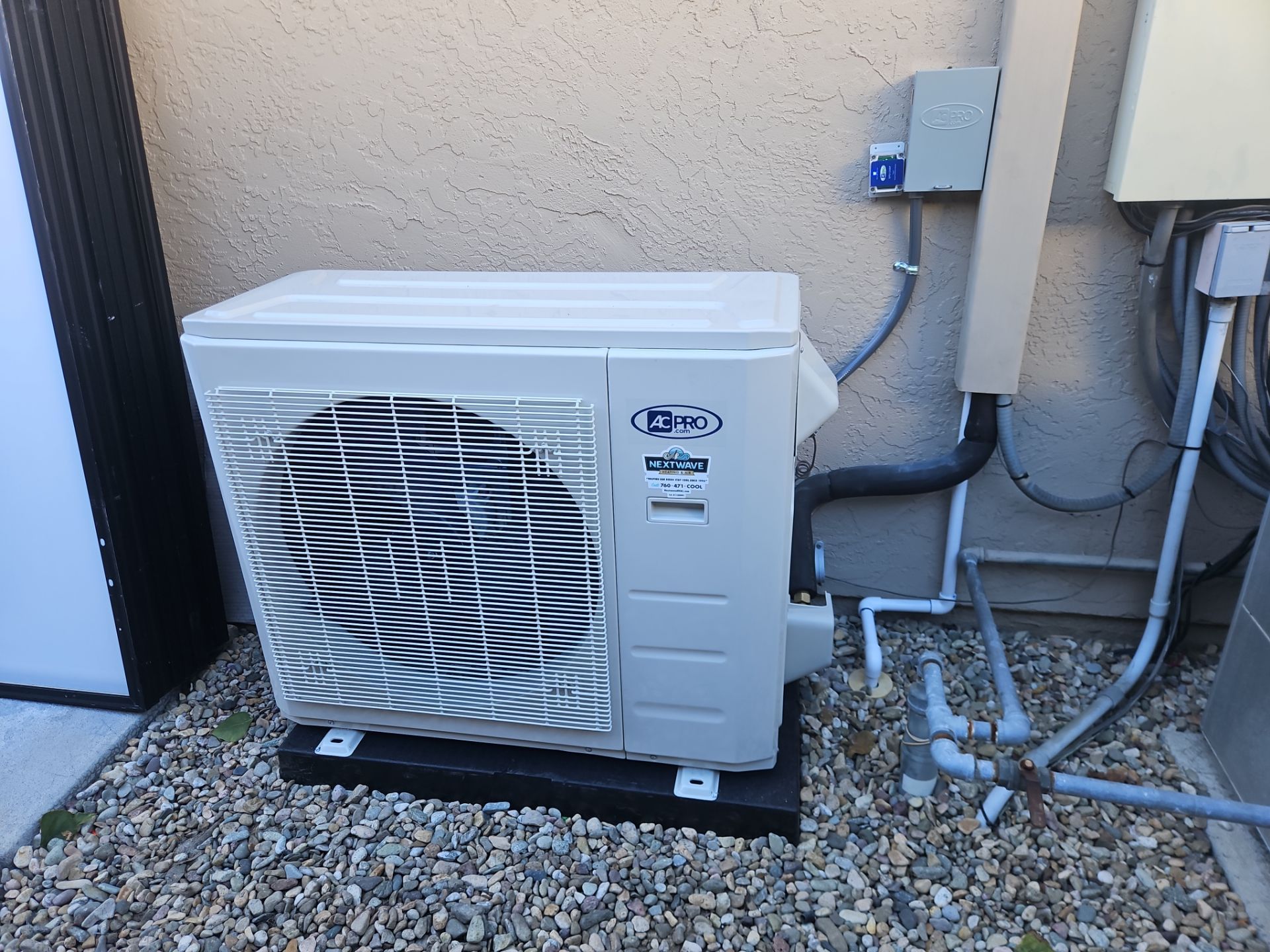
  • Keep at least two feet of clearance around the outdoor unit. Remove leaves, weeds, and debris without bending the coil fins.
  • Make sure supply and return vents are open and not blocked by furniture, rugs, or curtains.
  • Check that the thermostat is set to a reasonable temperature and has fresh batteries when applicable.
  • Pay attention to new sounds, odors, leaks, or changes in comfort.

Avoid opening sealed refrigerant systems, handling electrical parts, or spraying aggressive cleaners inside the equipment. Those tasks require proper training and can create safety risks or equipment damage.

How can you improve HVAC efficiency at home?

Maintenance works best alongside sensible home-comfort practices. Even a well-serviced system has to work harder when heat enters through poorly shaded windows or conditioned air escapes through duct leaks.

Consider these improvements:

  • Use blinds, curtains, or exterior shade during sunny afternoon hours.
  • Seal obvious gaps around doors and windows.
  • Keep ceiling fans running counterclockwise in summer, if appropriate for your room.
  • Use a programmable or smart thermostat to avoid conditioning an empty home.
  • Ask a professional whether ductwork, insulation, or equipment sizing may be affecting performance.

A smart thermostat can improve scheduling, but it cannot correct restricted airflow, refrigerant problems, or an incorrectly sized system. Technology is most useful when the underlying equipment is clean, safe, and properly configured.

Should you repair or replace your HVAC system?

Maintenance findings can help you decide whether continued repairs make sense. Repair is often reasonable when the system is relatively young, the issue is isolated, and the expected repair cost is modest. Replacement may deserve consideration when failures are frequent, efficiency is poor, or a major component has reached the end of its service life.

Ask these questions before choosing:

  • How old is the system?
  • What is the total repair cost, including likely near-term repairs?
  • Has comfort or efficiency declined even after service?
  • Is the equipment appropriately sized for the home?
  • Would a high-efficiency system reduce operating costs or improve reliability?

A professional evaluation can compare repair and replacement based on your home, budget, comfort goals, and expected length of ownership. You can also review Recent Projects or request an Instant Quote from NextWave Heating and Air.

What should you ask an HVAC company?

Before scheduling service, ask what the visit includes and how findings will be documented. A trustworthy company should be willing to explain recommendations in plain language.

Useful questions include:

  • Is the visit a complete maintenance inspection or only a basic check?
  • Will you test airflow, electrical components, drainage, and system performance?
  • Which recommendations are urgent, and which can wait?
  • Are repairs and replacement options explained separately?
  • Do you serve homes throughout San Diego County?

Look for licensed professionals, clear pricing, respectful communication, and recommendations connected to an observed condition. The lowest advertised price is not always the lowest long-term cost if important inspection steps are excluded.

San Diego HVAC maintenance checklist

Use this short checklist when planning service:

  • Schedule cooling maintenance before summer demand increases.
  • Schedule heating maintenance before the first cold stretch.
  • Replace or inspect filters regularly.
  • Keep outdoor equipment clear and unobstructed.
  • Record unusual sounds, odors, leaks, or comfort changes.
  • Compare repair costs with the system’s age and reliability.

Final takeaway

HVAC maintenance in San Diego helps homeowners prevent avoidable breakdowns, support efficient operation, and maintain reliable comfort in both coastal and inland conditions. Schedule professional service once or twice a year, replace filters regularly, keep outdoor equipment clear, and act quickly when performance changes. If your system is aging or needs repeated repairs, ask for an honest comparison between repair and replacement. Start by evaluating your current equipment, then contact a qualified local HVAC professional to choose the safest and most practical next step.

Recent Posts

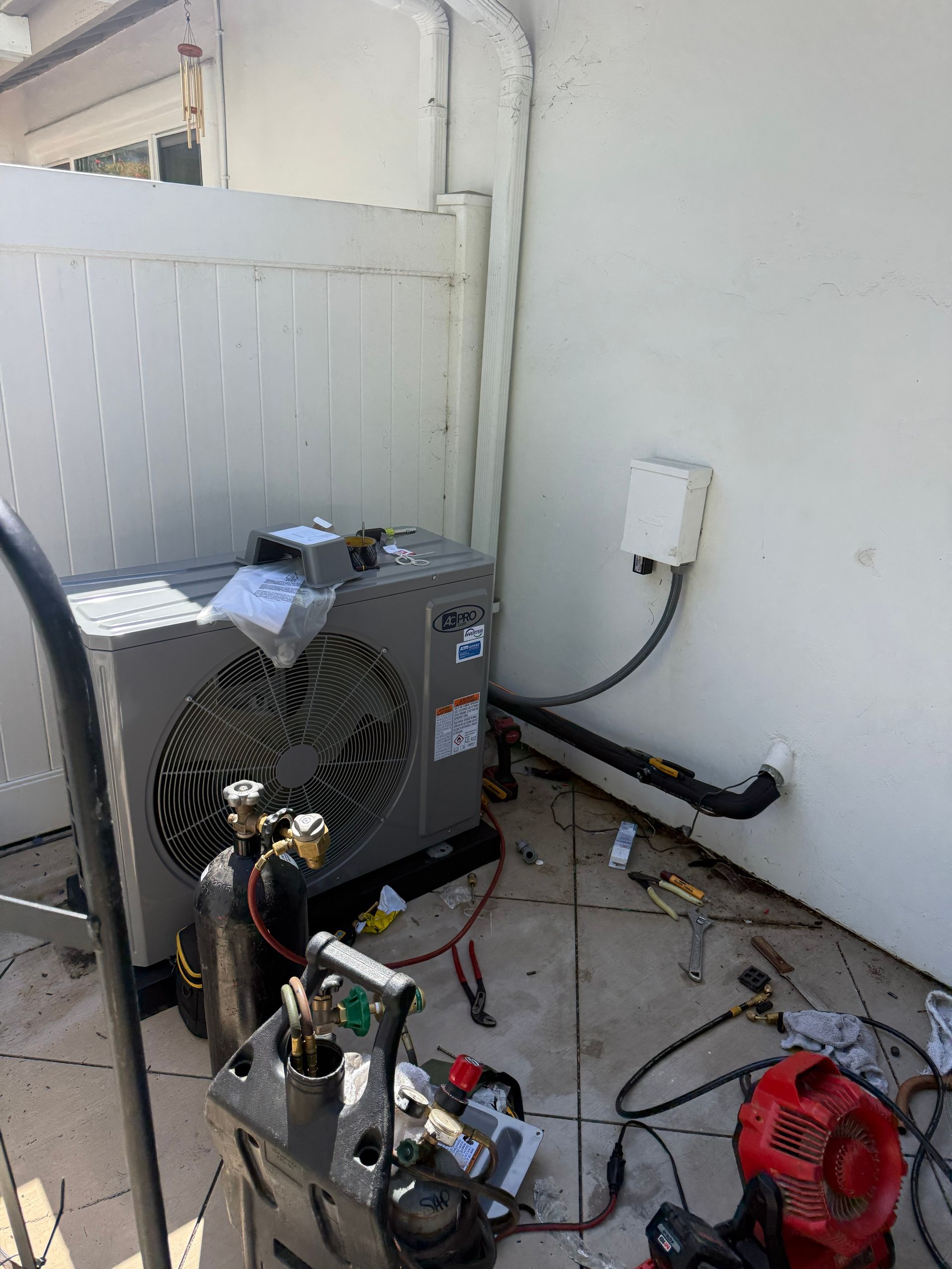
Heat pump outdoor unit helping a San Diego home save energy
October 22, 2026
Learn how a heat pump heats and cools your San Diego home, works in cold and warm weather, and can lower energy costs compared with traditional systems.
Furnace preparation before cold weather
October 6, 2026
Furnace preparation tips for San Diego County homeowners: learn what to check, when to schedule service, and how to avoid a cold-night breakdown.
HVAC maintenance inspection for a San Diego home
September 30, 2026
Learn why HVAC maintenance matters even when your system seems fine—and how preventive service can improve comfort, efficiency, air quality, and reliability in North San Diego homes.
Fall HVAC tips: technician preparing a California home system
September 23, 2026
Prepare your San Diego County home for fall with seven practical fall HVAC tips, from tune-ups and filter changes to thermostat settings and indoor air quality.
A modern HVAC unit outside a San Diego home.
July 27, 2026
Is your HVAC system making weird sounds? Learn which rattles, squeals, and buzzes require immediate repair to avoid costly breakdowns and safety hazards.
Professional HVAC technician performing a maintenance check on a residential unit.
July 10, 2026
Learn why regular HVAC maintenance checks are essential for San Diego homeowners. Discover how to save money, improve air quality, and prevent breakdowns with NextWave.
Technician inspecting an air conditioning unit for summer prep.
June 19, 2026
Ensure your San Diego home stays cool. Follow our expert guide to AC maintenance, from simple DIY tips to professional tune-ups with NextWave Heating and Air.
Modern smart thermostat showing energy efficient settings for summer cooling.
June 4, 2026
Discover practical tips to save electricity during summer in San Diego. Learn how to optimize your HVAC, use smart thermostats, and reduce cooling costs effectively.
By Webster vejano • May 15, 2026
Stay Cool and Avoid Costly Breakdowns With These Early Warning Signs From Your HVAC System
By doug • January 20, 2026
What if I told you that most systems aren't working the way they were designed and aren't hitting the efficiency ratings that your hvac contractor said it was? It usually comes down to improper airflow. Your Hvac system's airflow is probably the biggest limiting factor for its efficiency and costing you lots of money every year and you probably don't even know it. Let's go over why it's so important and how we can make sure that you Heating and Air conditioning system is working at peak performance!
Show More