How to Prepare Your Furnace Before Cold Weather

October 6, 2026

Share this article

Furnace preparation means inspecting, cleaning, testing, and servicing your heating system before you need it. For San Diego County homeowners, an early check can uncover airflow problems, worn parts, electrical issues, or safety concerns—before the first genuinely cold night turns your furnace into an expensive indoor sculpture.

Furnace preparation before cold weather

Why shouldn’t you wait for the first cold night?

Because that is when every neglected furnace suddenly wants attention. After sitting mostly unused through warmer months, a heating system may reveal problems only when it runs continuously. Waiting until then can mean:

  • Longer repair waits during the seasonal rush
  • A chilly home when temperatures drop overnight
  • Higher emergency service costs
  • Reduced efficiency and larger utility bills
  • More stress for children, older adults, and pets

San Diego weather may be famously cooperative, but “mild climate” does not mean “no heating.” A cold snap can arrive just when local HVAC companies are busiest. Getting ahead of the rush gives you time to compare options, plan repairs, and avoid making a rushed decision with a blanket wrapped around your shoulders.

What does furnace preparation include?

A proper furnace preparation visit is more than switching the thermostat from cool to heat . A qualified technician evaluates the system as a whole, including its performance, safety, and reliability.

Typical checks include:

  1. Filter and airflow review: A clogged filter makes the blower work harder and can reduce comfort throughout the home.
  2. Thermostat testing: The thermostat should accurately read the room and communicate with the furnace.
  3. Electrical inspection: Loose connections, damaged wiring, and worn components deserve attention before heavy use.
  4. Burner and heat exchanger inspection: These parts affect heating performance and safe operation.
  5. Ventilation and drainage checks: Blocked vents or condensate issues can create performance and safety problems.
  6. Blower and belt inspection: Strange noises, weak airflow, or uneven temperatures may point to mechanical wear.
  7. System performance testing: The furnace should start, run, and shut down correctly without unusual odors or sounds.

You can handle simple upkeep, such as replacing the filter, but internal components and combustion-related checks should be left to a trained professional. A furnace is not the ideal place to practice your “I watched one tutorial” confidence.

How can you tell if your furnace is not ready?

Some warning signs are easy to dismiss because the system still produces heat. That is exactly why they matter. Contact a professional if you notice:

  • Uneven heating between rooms
  • Weak or inconsistent airflow
  • Frequent cycling on and off
  • Delayed ignition or repeated startup attempts
  • Rattling, squealing, banging, or humming
  • A persistent burning smell after startup
  • Unexplained increases in energy use
  • A thermostat that cannot hold the selected temperature

A brief dusty smell when a furnace runs for the first time may be normal. However, a strong, persistent, or unusual odor should not be ignored. Turn off the system and seek professional guidance if you smell gas, see scorching, or suspect a carbon monoxide concern. If a carbon monoxide alarm sounds, leave the home and contact emergency services or your utility provider as appropriate.

HVAC technician performing a furnace inspection

A simple pre-season furnace checklist

Use this quick checklist before the first cold spell:

  • Replace the air filter if it is dirty or overdue for replacement.
  • Clear boxes, clothing, and storage items away from the furnace.
  • Check that supply vents and return grilles are open and unobstructed.
  • Test the thermostat in heating mode while you are home and alert.
  • Listen for unusual sounds and watch for repeated cycling.
  • Confirm that carbon monoxide alarms are installed and functioning.
  • Schedule professional service if the system shows warning signs.

Do not cover vents to redirect heat, store flammable materials near the equipment, or attempt to repair gas, electrical, or combustion components yourself. Small shortcuts can create large problems—and “the furnace fought back” is not a story your home insurance agent wants to hear.

When should you schedule furnace service in San Diego County?

The best time is before you need daily heating, typically in early fall or whenever you notice a change in performance. California’s heating season may be shorter than in colder states, but seasonal service still matters. Equipment can deteriorate while idle, and an older system may need extra time for repairs or replacement planning.

Schedule sooner if your furnace is more than a decade old, has required repeated repairs, or has developed new noises and odors. You may also benefit from an evaluation before listing or buying a home. A documented inspection can provide useful information about expected maintenance and future comfort costs.

For help with a heating concern, visit NextWave Heating and Air’s Heating service page. If you already know your system needs attention, you can also request an Instant Quote .

Repair, maintenance, or replacement?

The right next step depends on the furnace’s age, condition, operating cost, and repair history. A professional can help you compare the practical options rather than automatically recommending the most expensive one.

Maintenance may be enough when:

  • The system is operating reliably
  • Performance is consistent
  • The issue is a dirty filter or minor adjustment
  • Energy use has not changed noticeably

Repair may make sense when:

  • One replaceable component has failed
  • The furnace is otherwise in good condition
  • Repair costs are reasonable compared with replacement
  • The system still meets your comfort needs

Replacement deserves consideration when:

  • Breakdowns are frequent
  • Repairs are becoming expensive
  • The furnace is inefficient or difficult to support
  • Safety concerns or major component failures are involved
  • Your home has persistent comfort problems

Modern equipment, smart thermostats, and properly designed upgrades can improve control and efficiency. However, equipment size, ductwork, insulation, and installation quality all matter. The biggest number on a product label is not automatically the best answer for your home.

Modern efficient furnace and smart thermostat in a California home

Frequently asked questions

Is furnace maintenance really necessary in a mild climate?

Yes. Mild weather reduces heating runtime, but it does not eliminate wear, airflow restrictions, startup failures, or safety concerns. Pre-season service helps confirm the system can operate reliably when temperatures fall.

Can I prepare my furnace myself?

You can replace the filter, clear obstructions, test the thermostat, and check alarms. Internal cleaning, electrical work, gas components, heat exchangers, and combustion testing should be handled by a qualified HVAC professional.

How often should a furnace be serviced?

Annual service is a practical guideline, especially for older systems or homes with allergy concerns, pets, or frequent heating use. Follow the manufacturer’s recommendations and schedule service sooner if performance changes.

What should I do if my furnace stops working on a cold night?

Check the thermostat setting, confirm the system has power, and inspect the filter. Do not repeatedly reset a tripped breaker or interfere with gas components. If the issue is not obvious, turn the system off and contact a professional.

The warm-up plan

Furnace preparation is a small seasonal task that can prevent a very inconvenient surprise. Replace the filter, clear the equipment area, test the thermostat, watch for warning signs, and schedule professional service before cold weather arrives. This is especially useful for older systems, households with vulnerable occupants, or anyone who cannot comfortably absorb an emergency repair.

NextWave Heating and Air can help San Diego County homeowners evaluate heating performance, address repairs, and compare replacement options. Start with the Heating page, review Recent Projects , or contact the team before your furnace gets its first chance to be dramatic.

Recent Posts

HVAC maintenance inspection for a San Diego home
September 30, 2026
Learn why HVAC maintenance matters even when your system seems fine—and how preventive service can improve comfort, efficiency, air quality, and reliability in North San Diego homes.
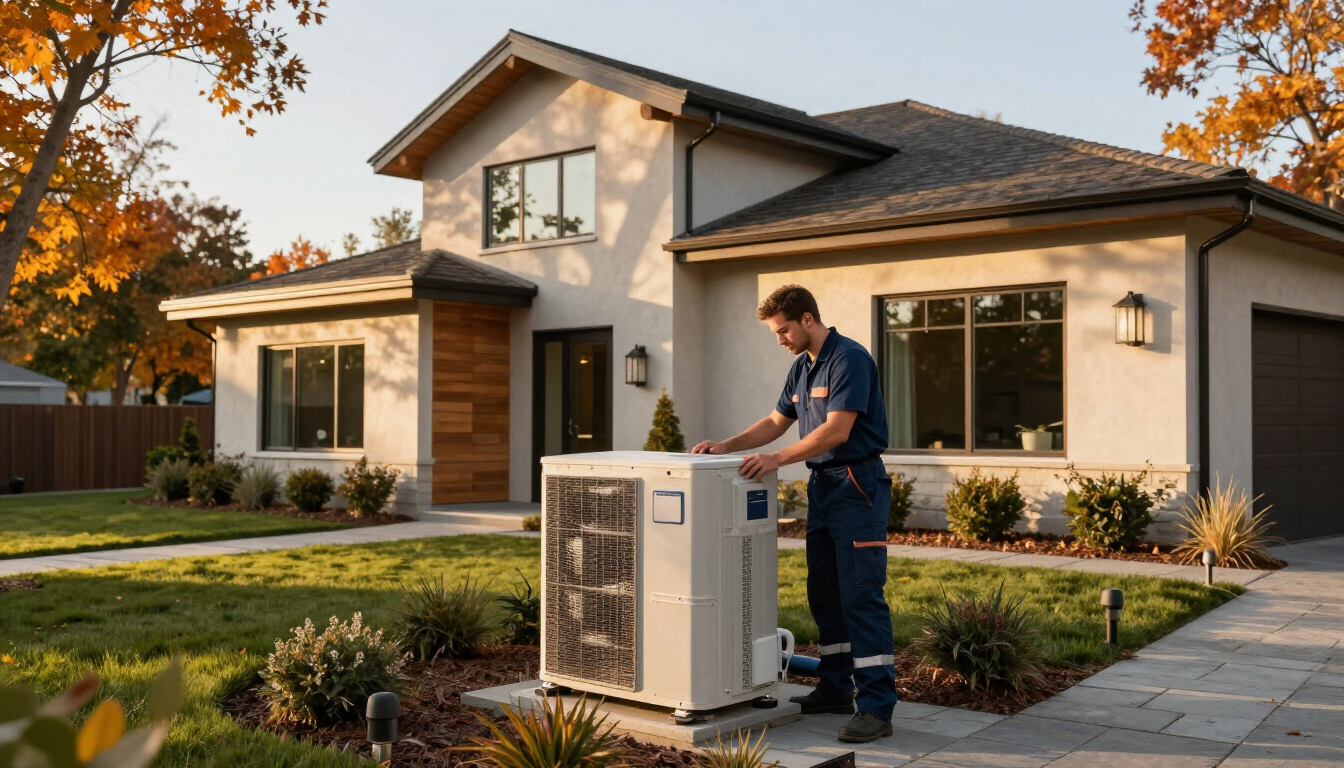
Fall HVAC tips: technician preparing a California home system
September 23, 2026
Prepare your San Diego County home for fall with seven practical fall HVAC tips, from tune-ups and filter changes to thermostat settings and indoor air quality.
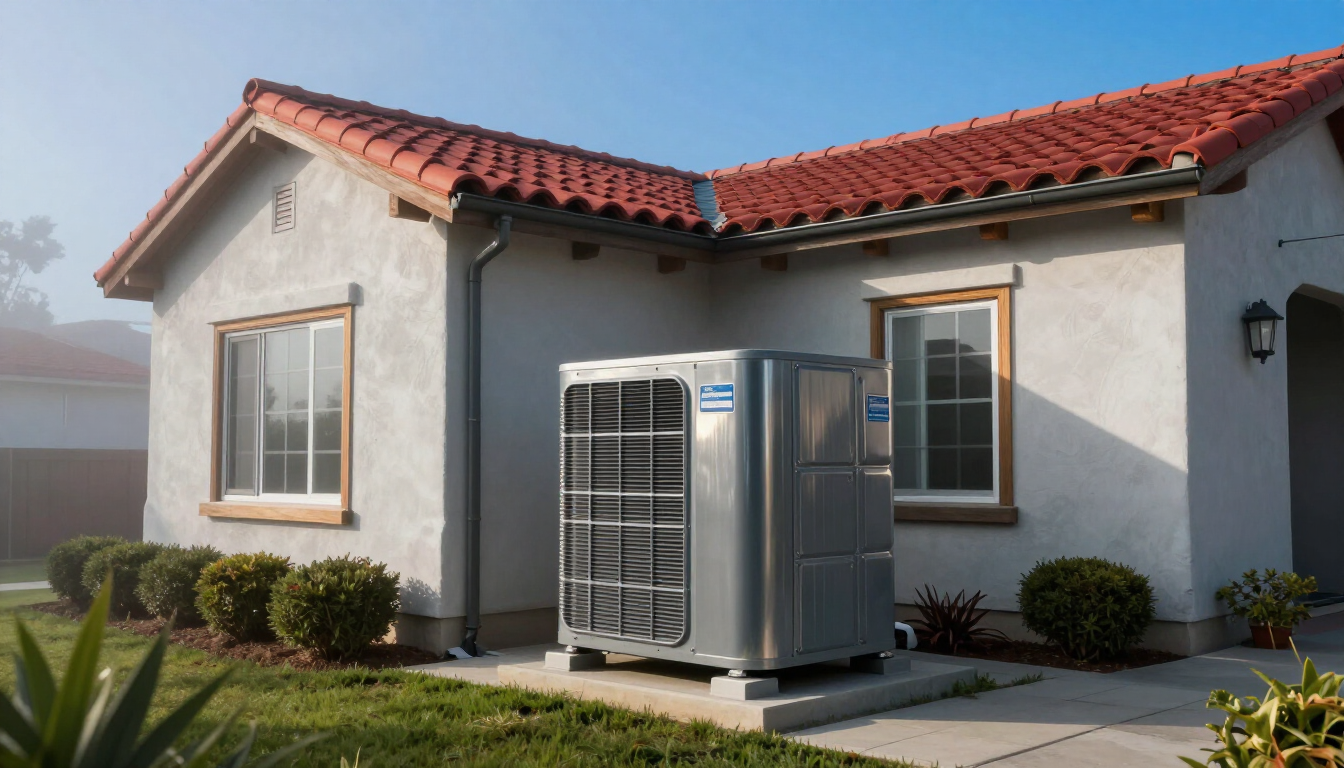
A modern HVAC unit outside a San Diego home.
July 27, 2026
Is your HVAC system making weird sounds? Learn which rattles, squeals, and buzzes require immediate repair to avoid costly breakdowns and safety hazards.
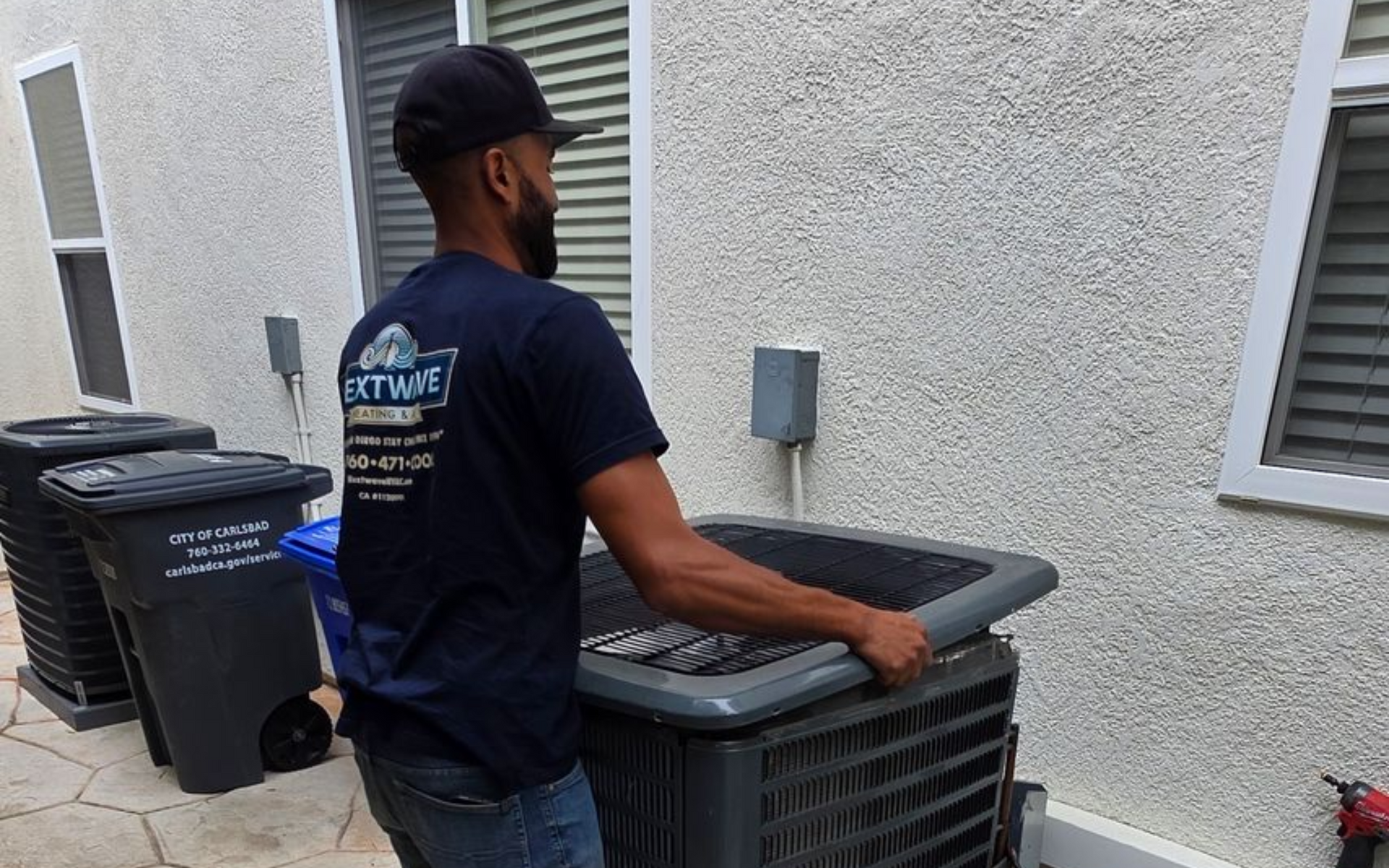
Professional HVAC technician performing a maintenance check on a residential unit.
July 10, 2026
Learn why regular HVAC maintenance checks are essential for San Diego homeowners. Discover how to save money, improve air quality, and prevent breakdowns with NextWave.
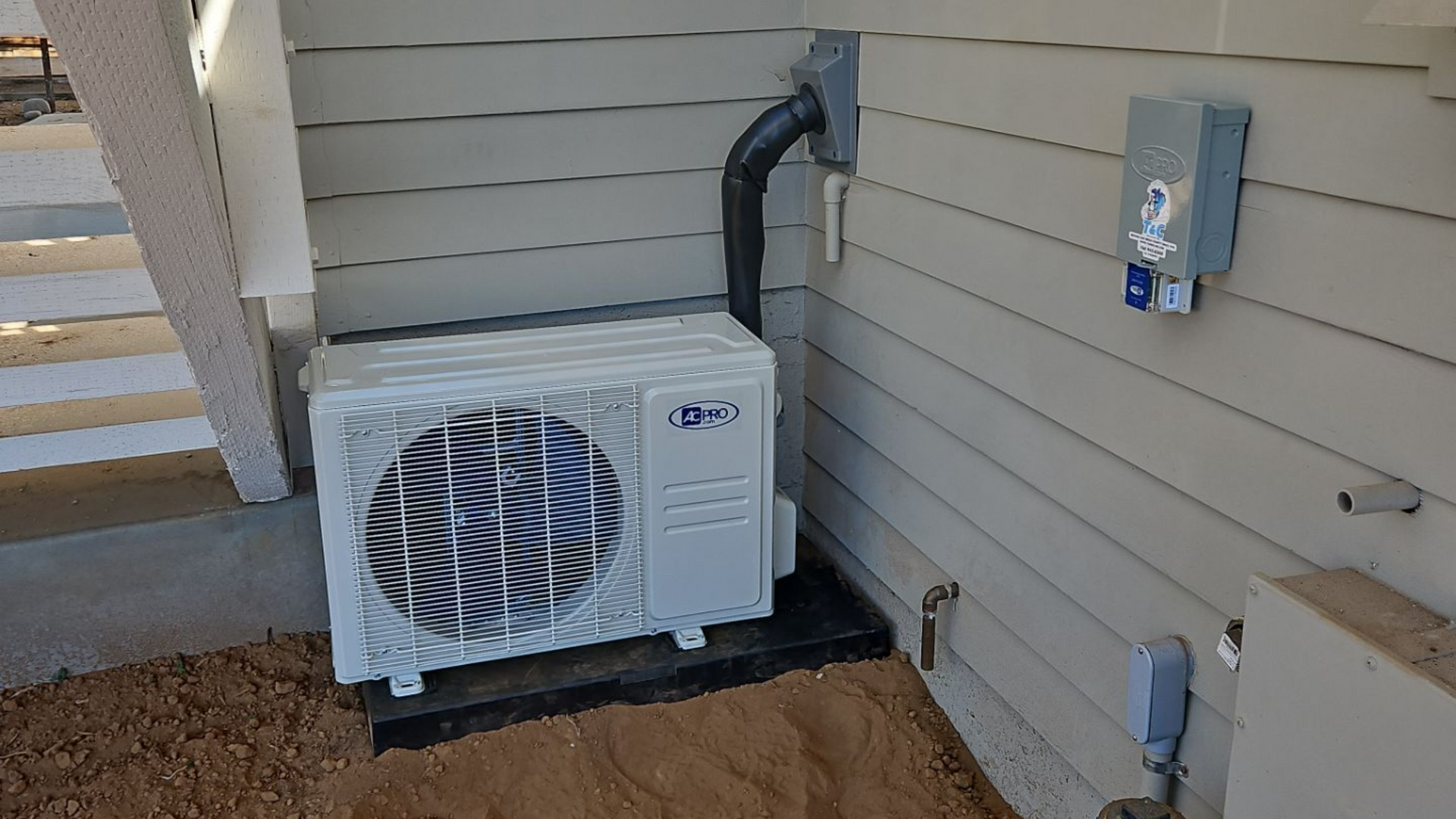
Technician inspecting an air conditioning unit for summer prep.
June 19, 2026
Ensure your San Diego home stays cool. Follow our expert guide to AC maintenance, from simple DIY tips to professional tune-ups with NextWave Heating and Air.
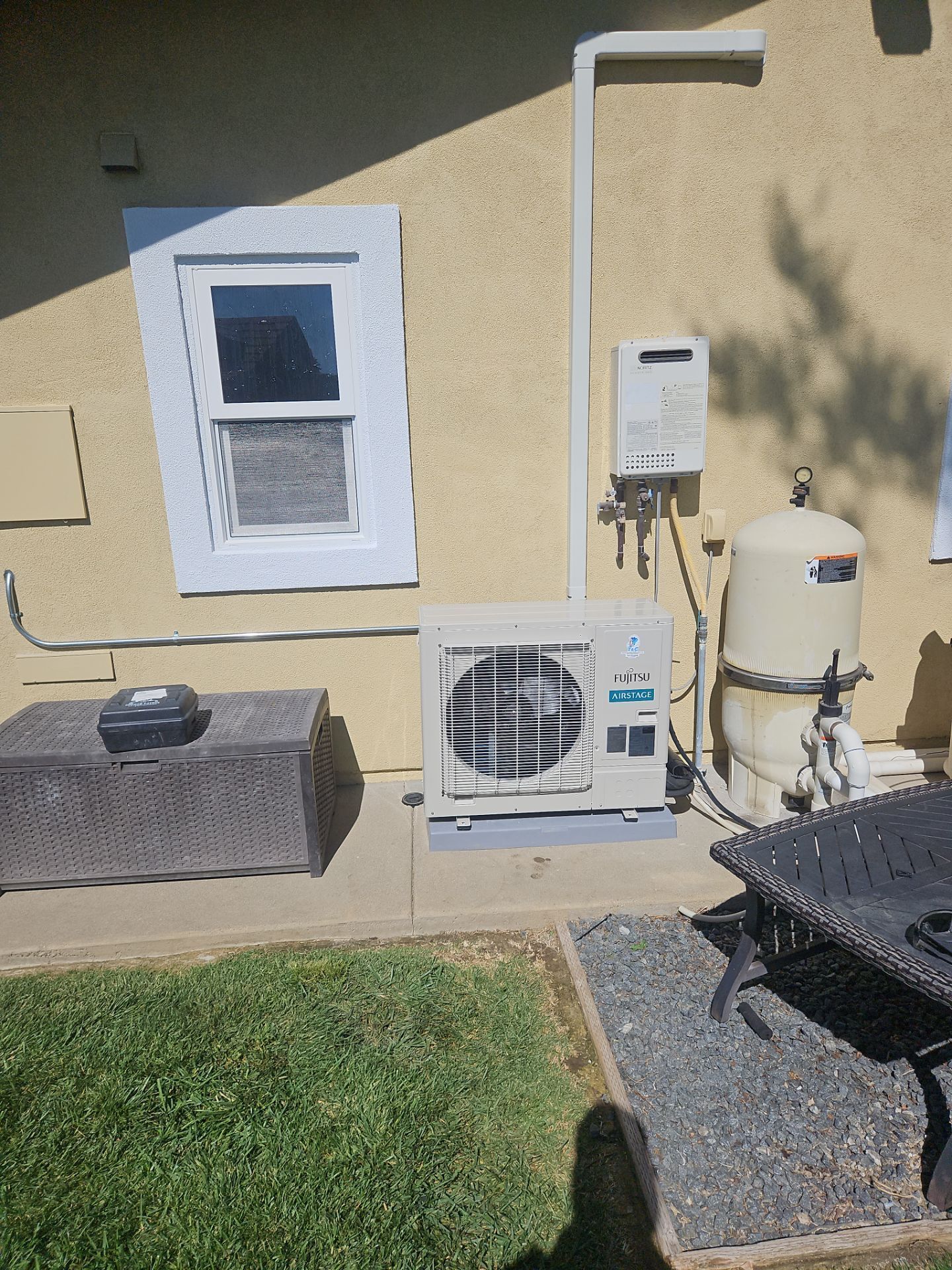
Modern smart thermostat showing energy efficient settings for summer cooling.
June 4, 2026
Discover practical tips to save electricity during summer in San Diego. Learn how to optimize your HVAC, use smart thermostats, and reduce cooling costs effectively.
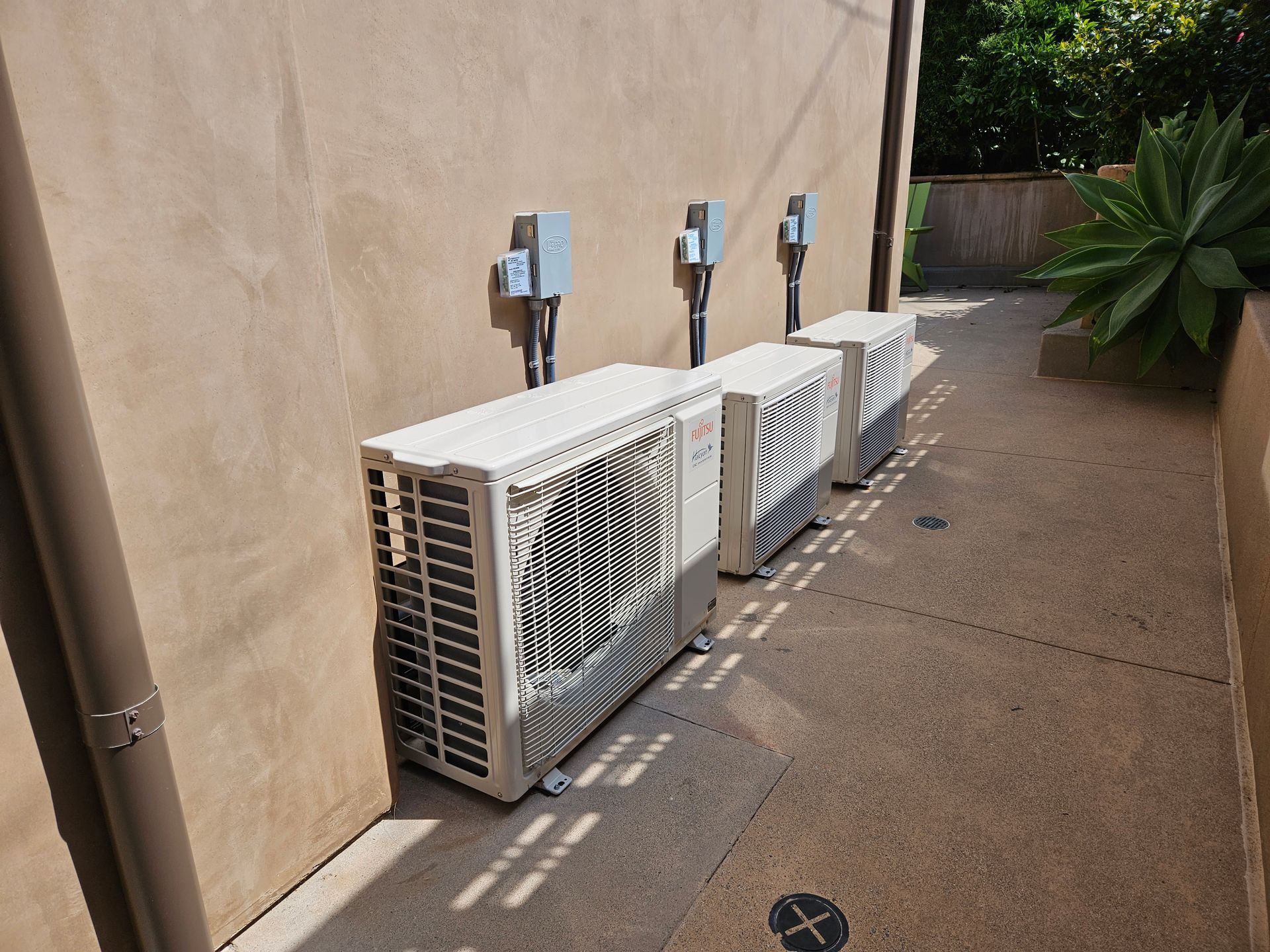
By Webster vejano • May 15, 2026
Stay Cool and Avoid Costly Breakdowns With These Early Warning Signs From Your HVAC System
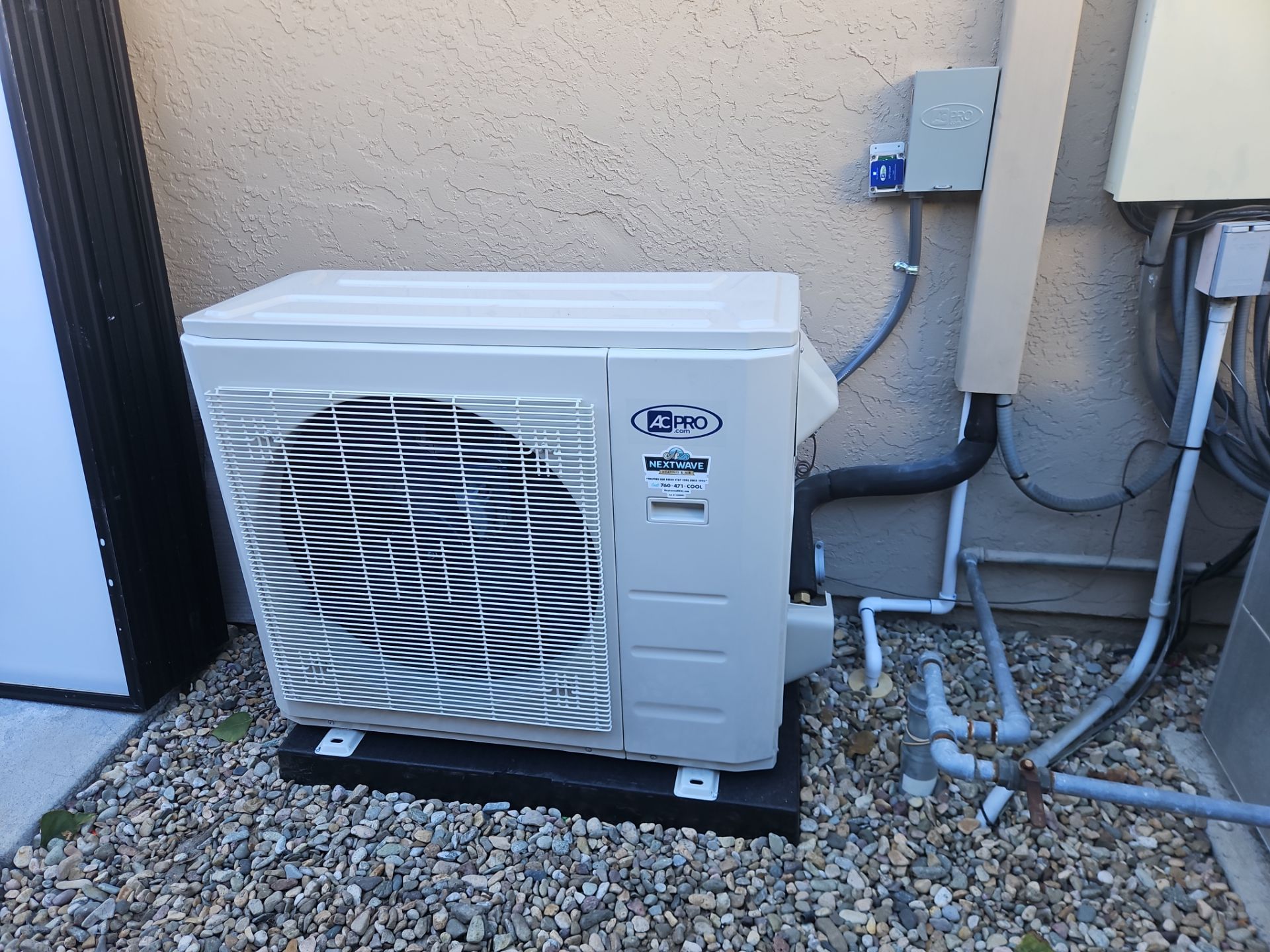
By doug • January 20, 2026
What if I told you that most systems aren't working the way they were designed and aren't hitting the efficiency ratings that your hvac contractor said it was? It usually comes down to improper airflow. Your Hvac system's airflow is probably the biggest limiting factor for its efficiency and costing you lots of money every year and you probably don't even know it. Let's go over why it's so important and how we can make sure that you Heating and Air conditioning system is working at peak performance!
By doug • January 20, 2026
Your HVAC system plays a crucial role in keeping your home comfortable year-round. Whether it's cooling your home during hot summer days or keeping you warm in colder months, regular maintenance ensures your system runs efficiently and reliably when you need it most.
By doug • January 20, 2026
As temperatures begin to rise in San Diego , preparing your HVAC system for the summer season is essential to keep your home comfortable and energy-efficient. A little preparation before peak heat arrives can help prevent breakdowns, reduce energy costs, and ensure reliable cooling when you need it most.