What Is a Heat Pump? Save in Any Weather

October 22, 2026

Share this article

A heat pump is an all-in-one system that moves heat instead of creating it. In warm weather, it removes heat from your home to cool the rooms. In cold weather, it reverses direction and brings heat indoors. This efficient process can reduce energy use and monthly heating and cooling costs.

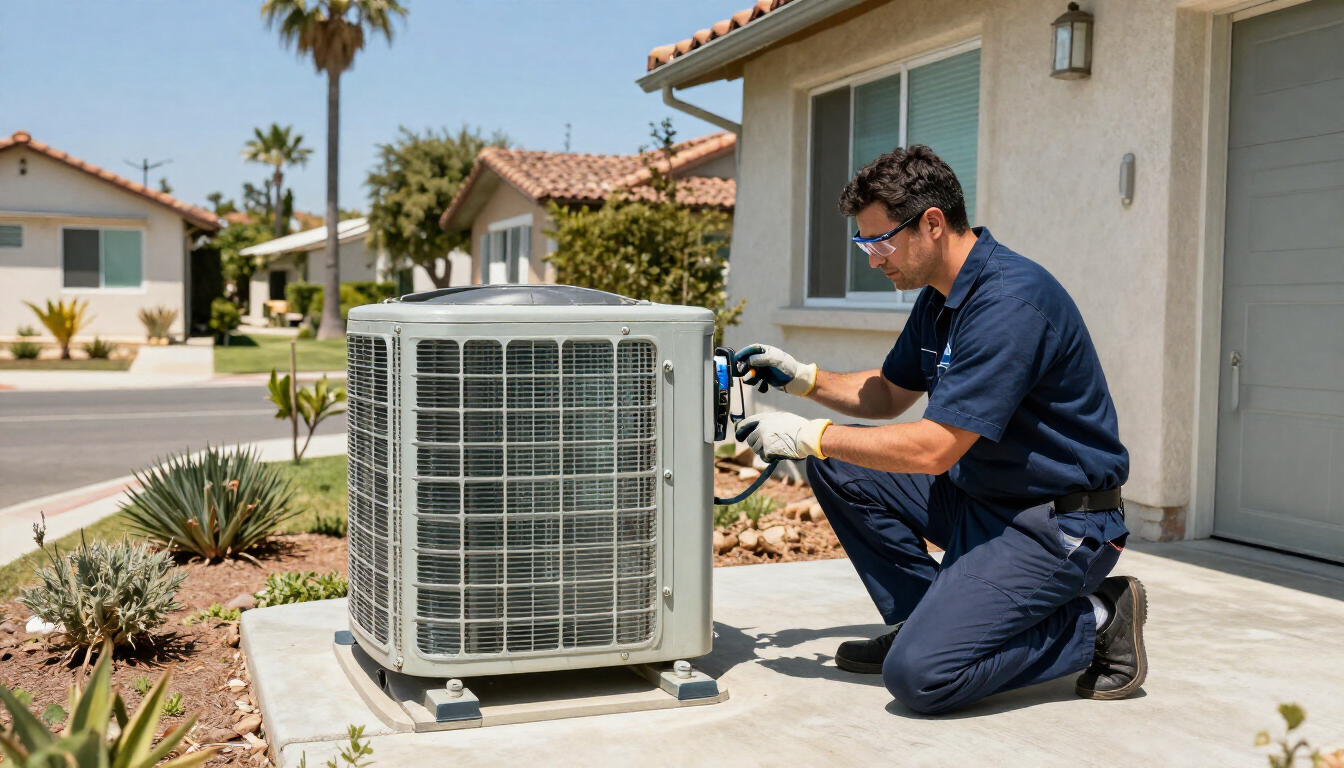
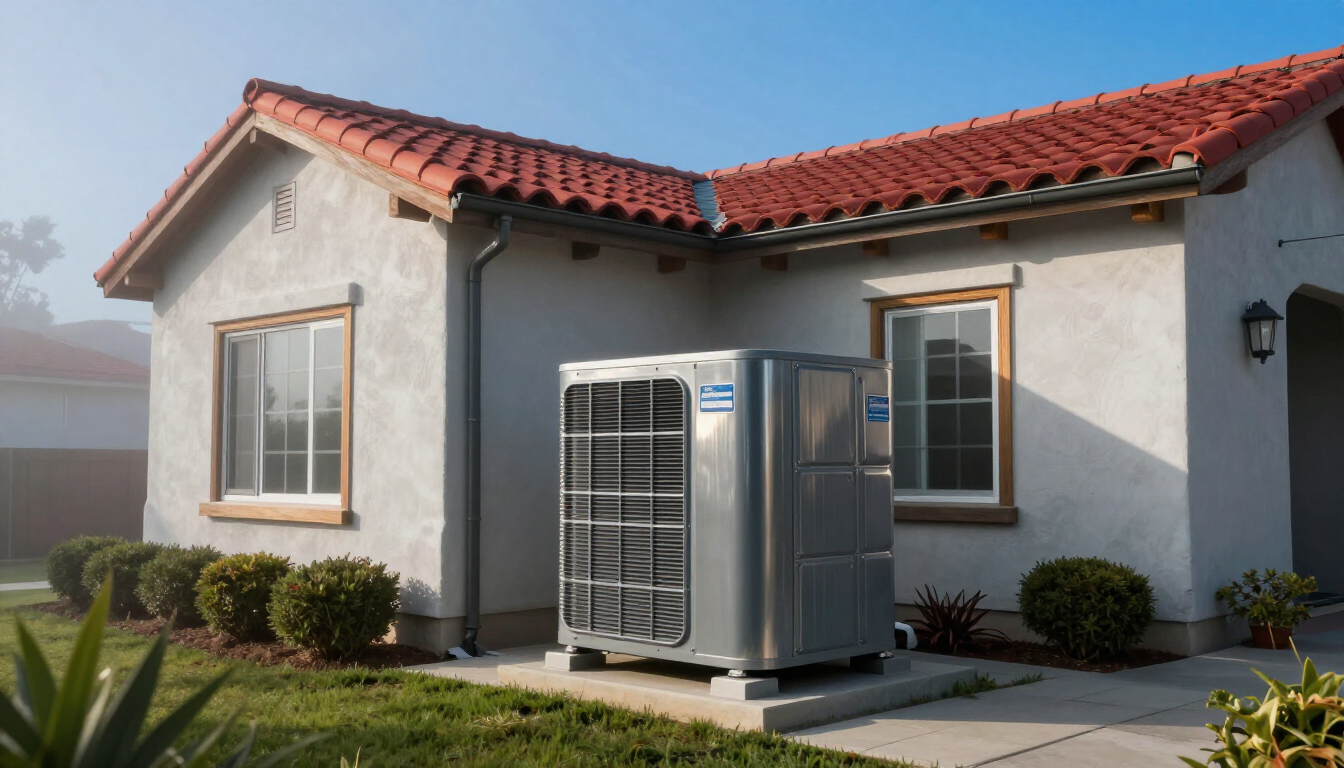
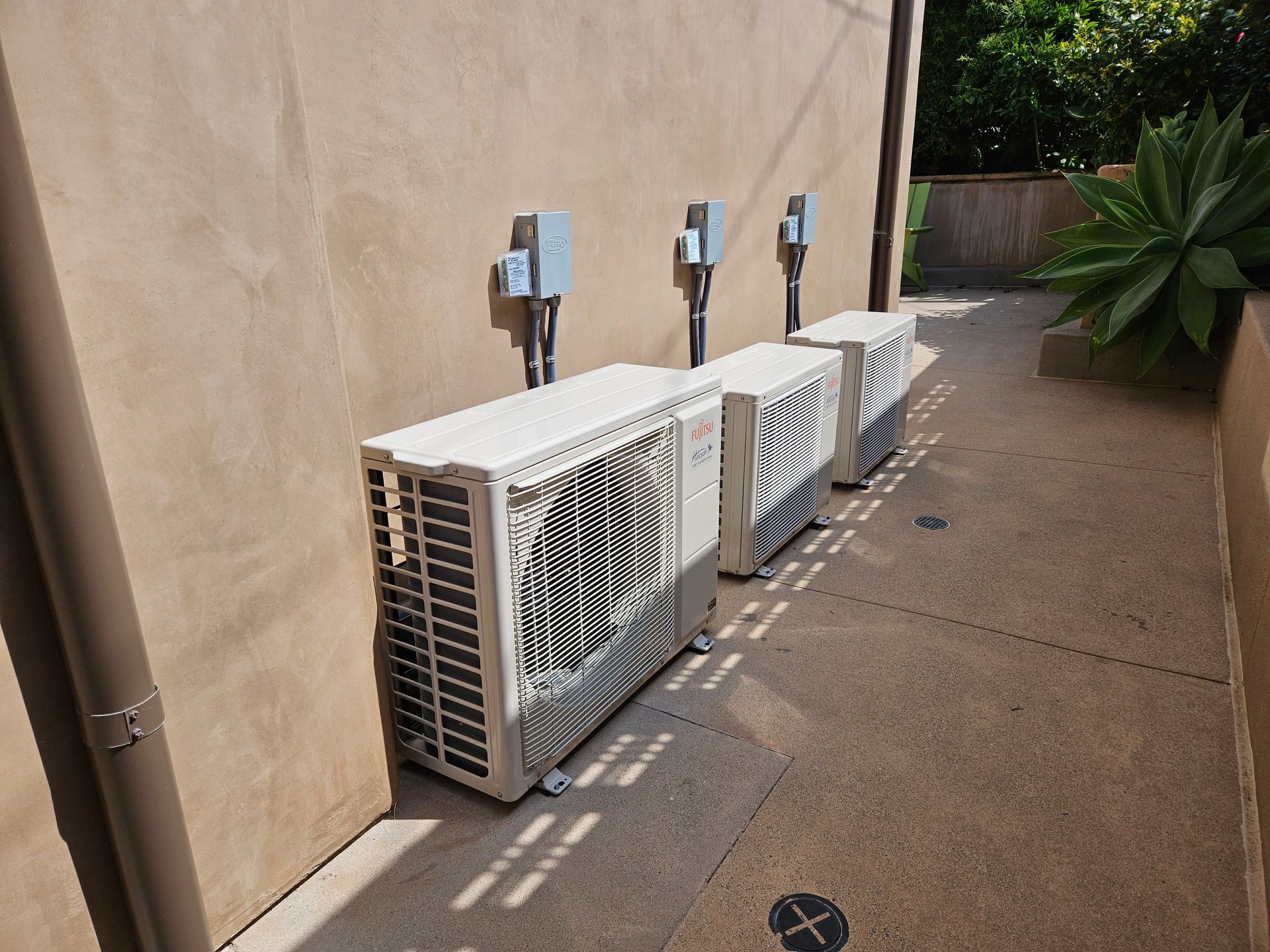
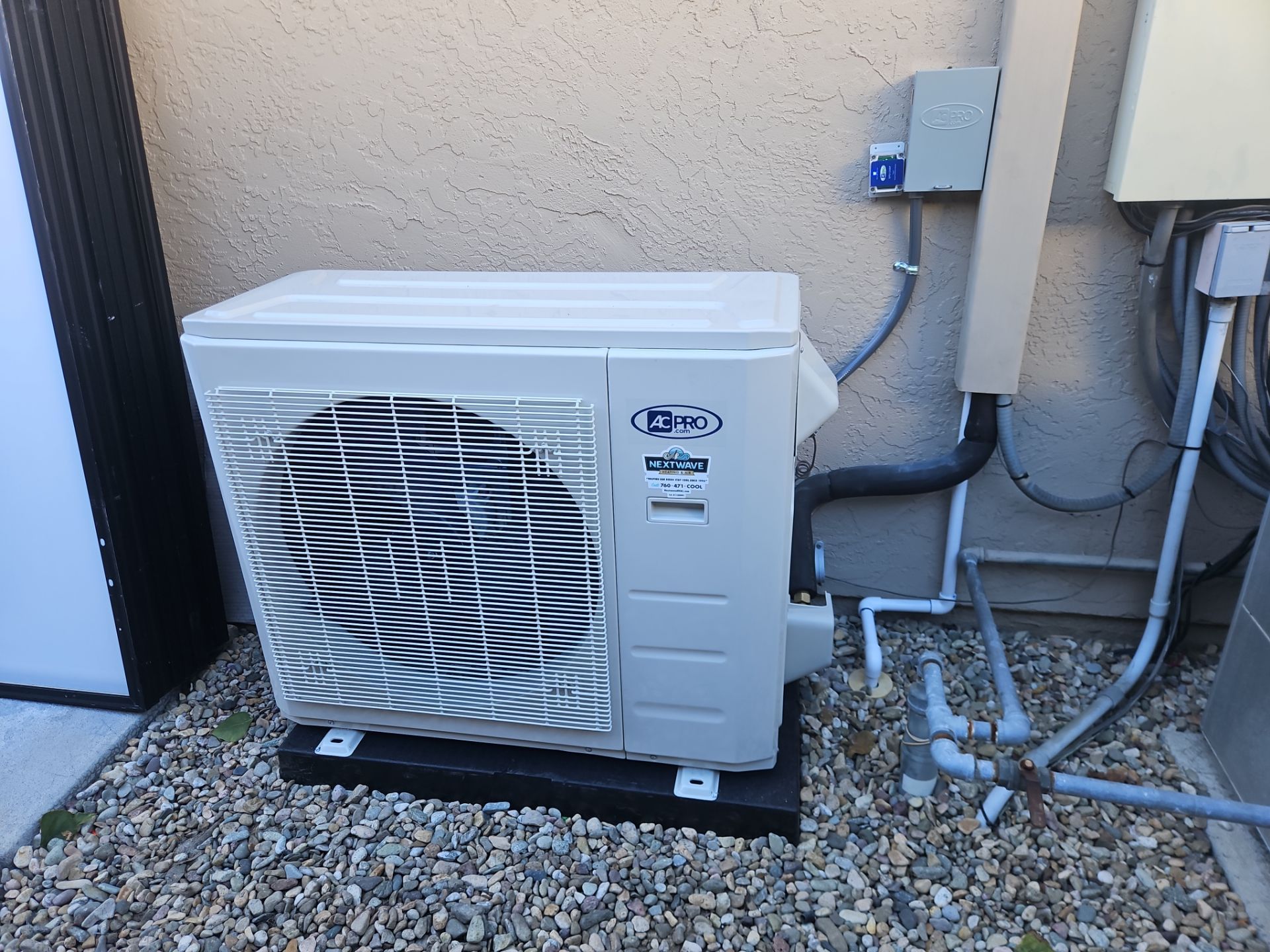
Heat pump outdoor unit helping a San Diego home save energy

What Is a Heat Pump?

A heat pump is a heating and cooling system designed to keep your home comfortable year-round. Unlike a furnace, which burns fuel to create heat, a heat pump transfers existing heat between your home and the outdoors.

That difference matters. Moving heat generally requires less energy than generating it, which is why heat pumps can be an efficient alternative to separate air conditioning and heating equipment.

A typical system includes:

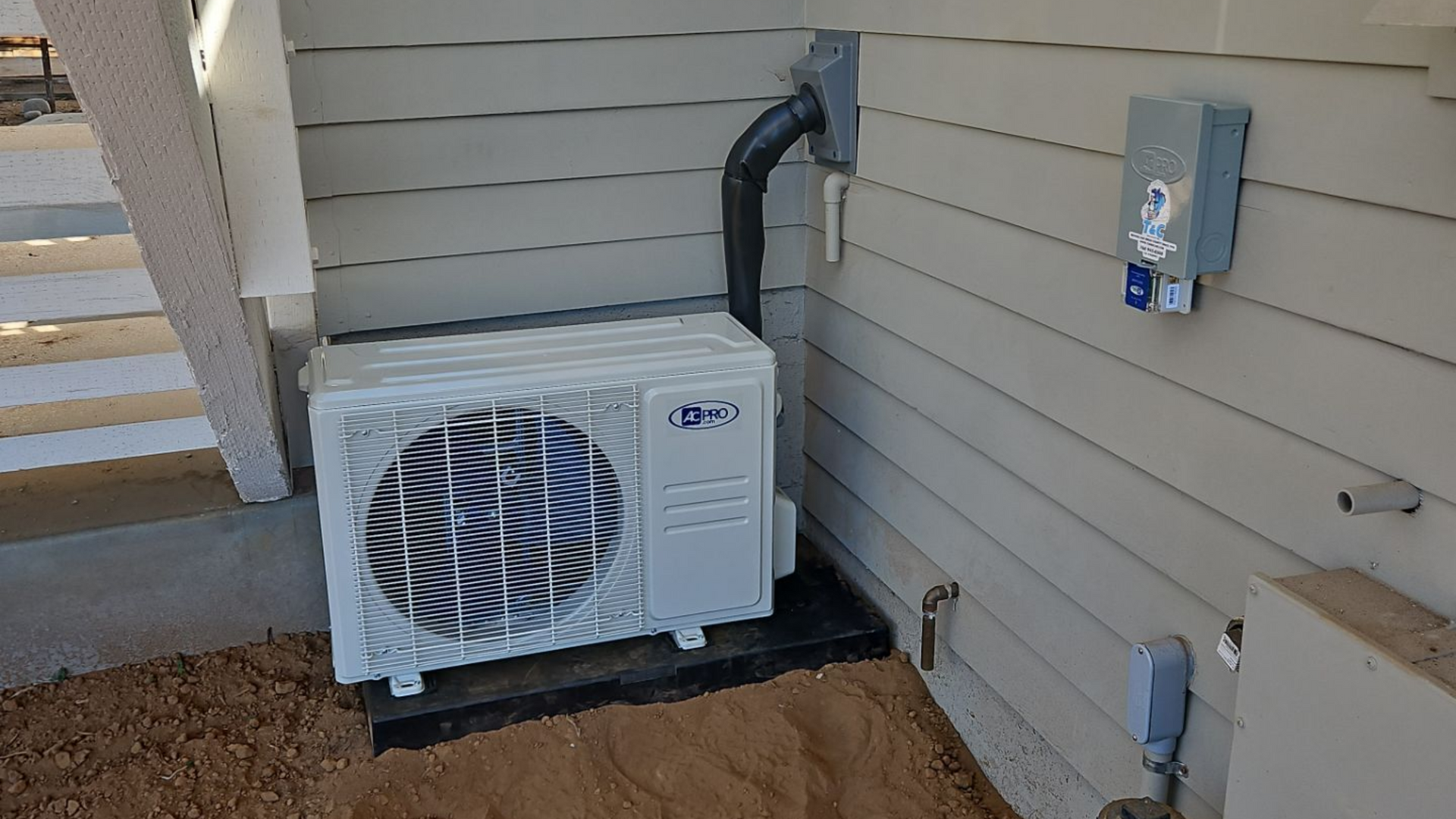
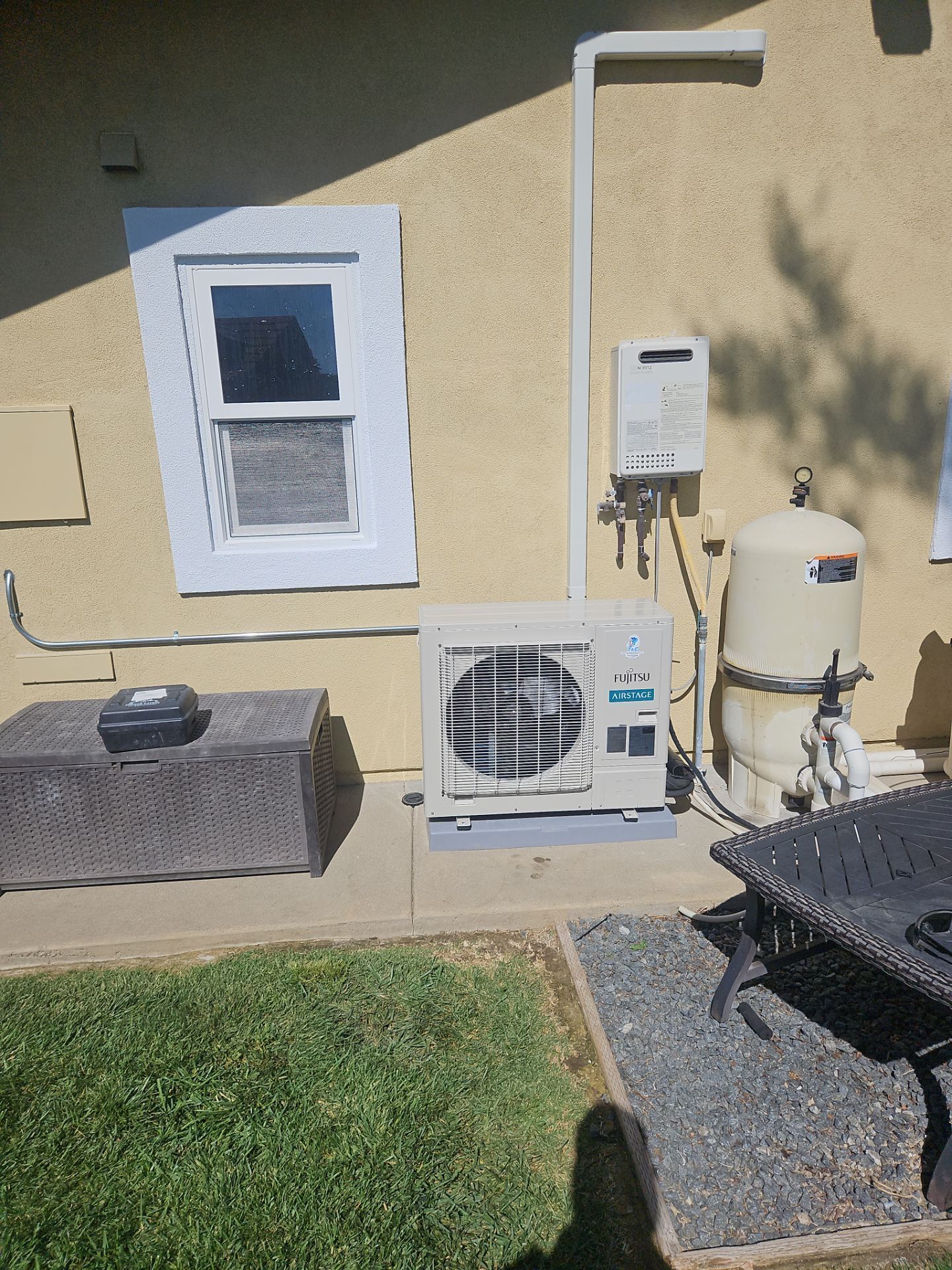
  • An outdoor unit that exchanges heat with the air
  • An indoor air handler or coil
  • Refrigerant lines that transfer heat
  • A thermostat that controls temperature and comfort

Heat pumps are available in central systems and ductless mini-split systems . The best option depends on your home’s layout, existing ductwork, insulation, and comfort goals.

How Does a Heat Pump Work in Warm Weather?

During warm weather, a heat pump works much like a standard air conditioner. It pulls heat from the indoor air and releases that heat outside. The cooled air is then circulated through your home.

The process also removes some humidity, helping rooms feel more comfortable. A properly sized system can provide steady cooling without the frequent starts and stops caused by an oversized unit.

For homeowners comparing options for cooling , the main benefit is that one heat pump can provide both air conditioning and heating. You do not need separate equipment for each season.

How Does a Heat Pump Heat a Home in Cold Weather?

In heating mode, the system reverses the refrigeration cycle. The outdoor unit collects available heat from outside air, concentrates it, and transfers it indoors. Even when outdoor temperatures feel cold, heat energy is still present in the air.

Modern heat pumps can work effectively through chilly weather. In especially cold conditions, some systems use supplemental electric heat to maintain comfort. Your HVAC professional can recommend equipment based on local temperatures, insulation, home size, and desired efficiency.

San Diego County generally has moderate winters, making heat pumps a practical choice for many homes. However, system selection and installation quality still affect performance.

Can a Heat Pump Save Money?

A heat pump can lower energy costs because it transfers heat rather than producing it through combustion or resistance heating. Savings vary based on your current system, electricity rates, insulation, thermostat settings, maintenance, and household habits.

Potential savings are strongest when:

  • Replacing older, inefficient heating or cooling equipment
  • Moving away from expensive electric resistance heat
  • Using a high-efficiency system with the right capacity
  • Improving insulation and sealing air leaks
  • Maintaining filters, coils, and airflow

A heat pump may not produce identical savings for every household. Ask for a comparison of expected operating costs before choosing a system. An instant quote can help you begin evaluating installation options.

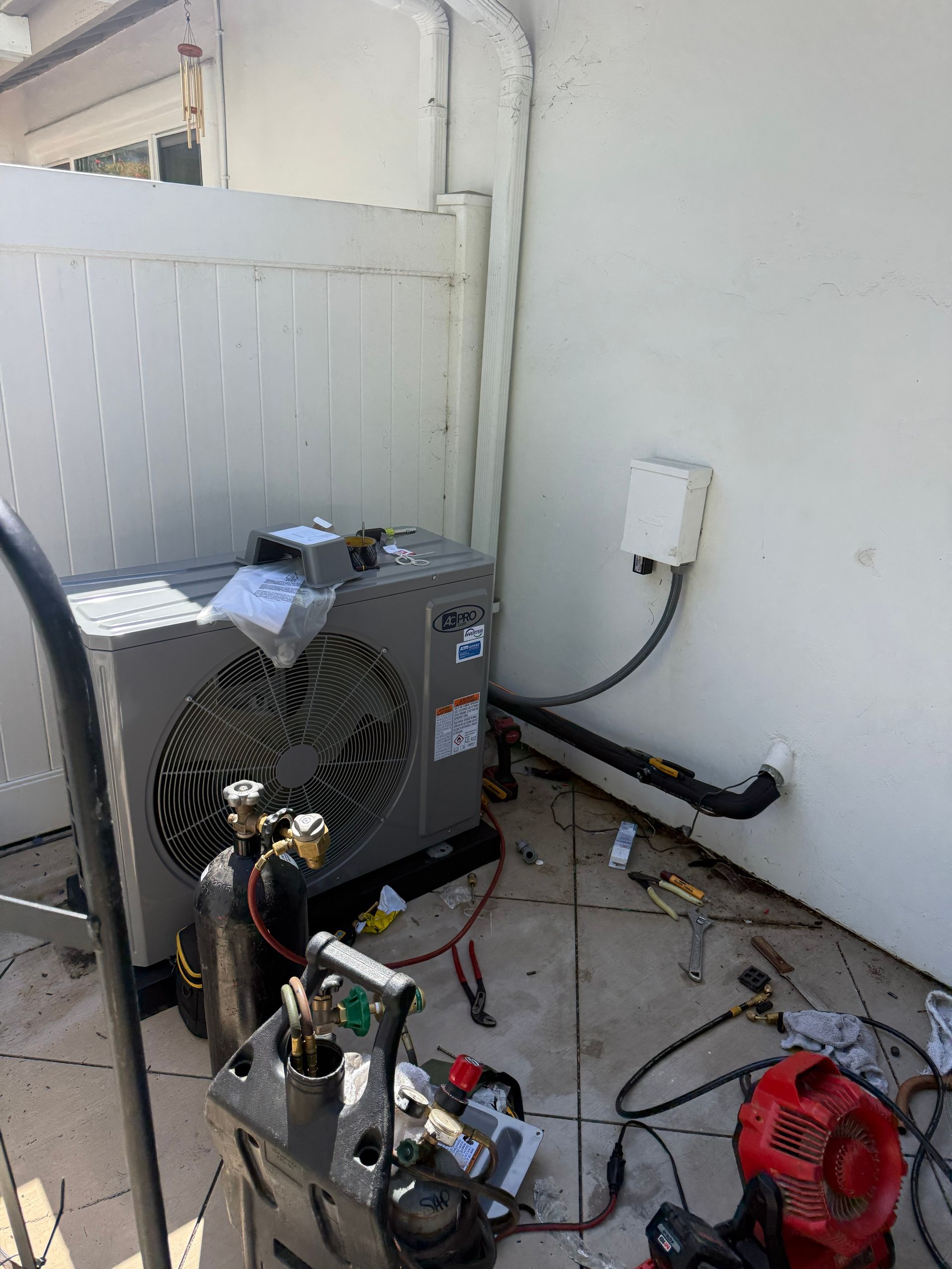
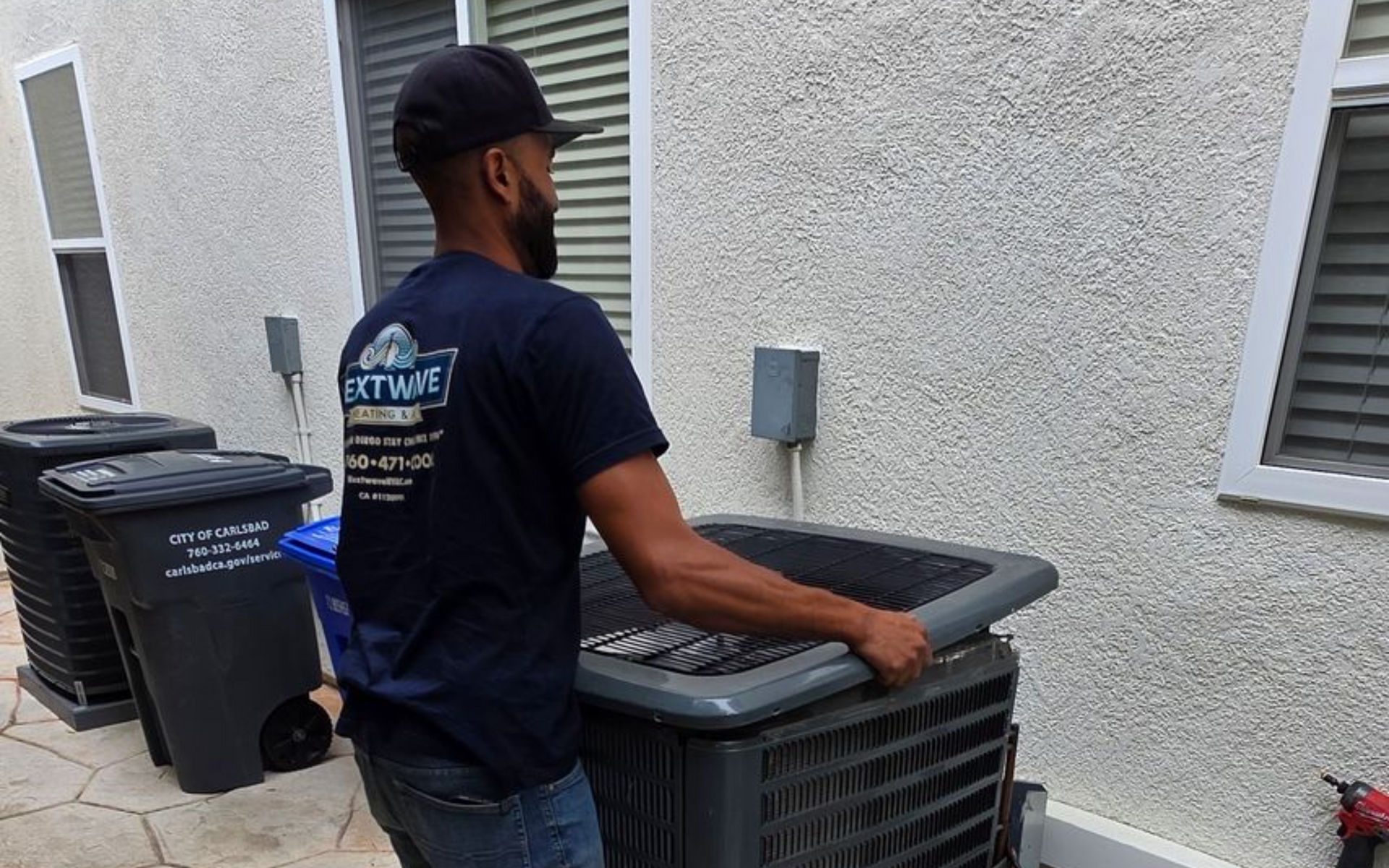
Technician checking an efficient heat pump system in a bright residential utility area

Is a Heat Pump Better Than a Furnace and Air Conditioner?

There is no single answer for every home, but a heat pump offers several practical advantages:

  • One system provides heating and cooling
  • Efficient operation can reduce energy use
  • Electric operation avoids on-site fuel combustion
  • Reversible performance supports year-round comfort
  • Newer models can offer quiet, consistent temperature control

A furnace and air conditioner may still make sense for certain homes, fuel costs, extreme climates, or existing equipment setups. Compare installation cost, expected efficiency, repair needs, and long-term operating expenses—not just the equipment price.

For heating-specific information, visit our heating services page or review recent projects to see examples of HVAC work.

What Should Homeowners Know About Heat Pump Maintenance?

Heat pumps operate throughout the year, so routine care is important. A clogged filter, blocked outdoor coil, or restricted airflow can reduce comfort and increase energy use.

Keep outdoor units clear of leaves and debris, replace filters as recommended, and schedule professional inspections. During service, a technician can check refrigerant levels, electrical components, airflow, ductwork, and thermostat operation.

If your system struggles to reach the set temperature, runs constantly, makes unusual sounds, or causes unexpected energy increases, arrange an inspection rather than waiting for a complete breakdown.

Choosing the Right Heat Pump

Before installing a heat pump, evaluate:

  1. Home size and insulation: Proper sizing improves efficiency and comfort.
  2. Existing ductwork: Duct condition may affect whether a central or ductless system is best.
  3. Cold-weather capacity: Choose equipment that matches your home’s heating needs.
  4. Efficiency ratings: Compare performance ratings and estimated operating costs.
  5. Installer experience: Quality design and installation are essential for reliable results.

An HVAC professional should perform a load calculation instead of sizing equipment by guesswork. Oversized systems can cycle too often, while undersized systems may run continuously.

Family enjoying comfortable indoor temperatures while a heat pump operates efficiently

Frequently Asked Questions

Do heat pumps work when it is cold outside?

Yes. Heat pumps can extract heat from cold outdoor air. In unusually cold conditions, supplemental heat may assist the system, depending on the model and installation.

Are heat pumps expensive to run?

They can be less expensive to operate than inefficient heating systems because they move heat efficiently. Actual costs depend on equipment efficiency, utility rates, weather, and home performance.

Can a heat pump replace an air conditioner?

Yes. In cooling mode, a heat pump performs the same basic job as an air conditioner while also providing heating in cooler weather.

How long does a heat pump last?

A well-maintained system may provide reliable service for many years. Lifespan depends on equipment quality, installation, usage, climate, and maintenance.

The Bottom Line

A heat pump can heat your home in cooler weather, cool it in warm weather, and potentially reduce energy costs by moving heat instead of creating it. It is especially worth considering when replacing aging equipment, upgrading from electric resistance heat, or simplifying separate heating and cooling systems. Start by comparing system efficiency, capacity, installation quality, and estimated operating costs for your home. NextWave Heating and Air can help San Diego County homeowners evaluate the right approach. Contact us to discuss your comfort goals and options.

Recent Posts

HVAC maintenance in San Diego on a residential air conditioner
October 19, 2026
Learn how HVAC maintenance in San Diego helps prevent breakdowns, improve efficiency, and keep your home comfortable through changing coastal and inland weather.
Furnace preparation before cold weather
October 6, 2026
Furnace preparation tips for San Diego County homeowners: learn what to check, when to schedule service, and how to avoid a cold-night breakdown.
HVAC maintenance inspection for a San Diego home
September 30, 2026
Learn why HVAC maintenance matters even when your system seems fine—and how preventive service can improve comfort, efficiency, air quality, and reliability in North San Diego homes.
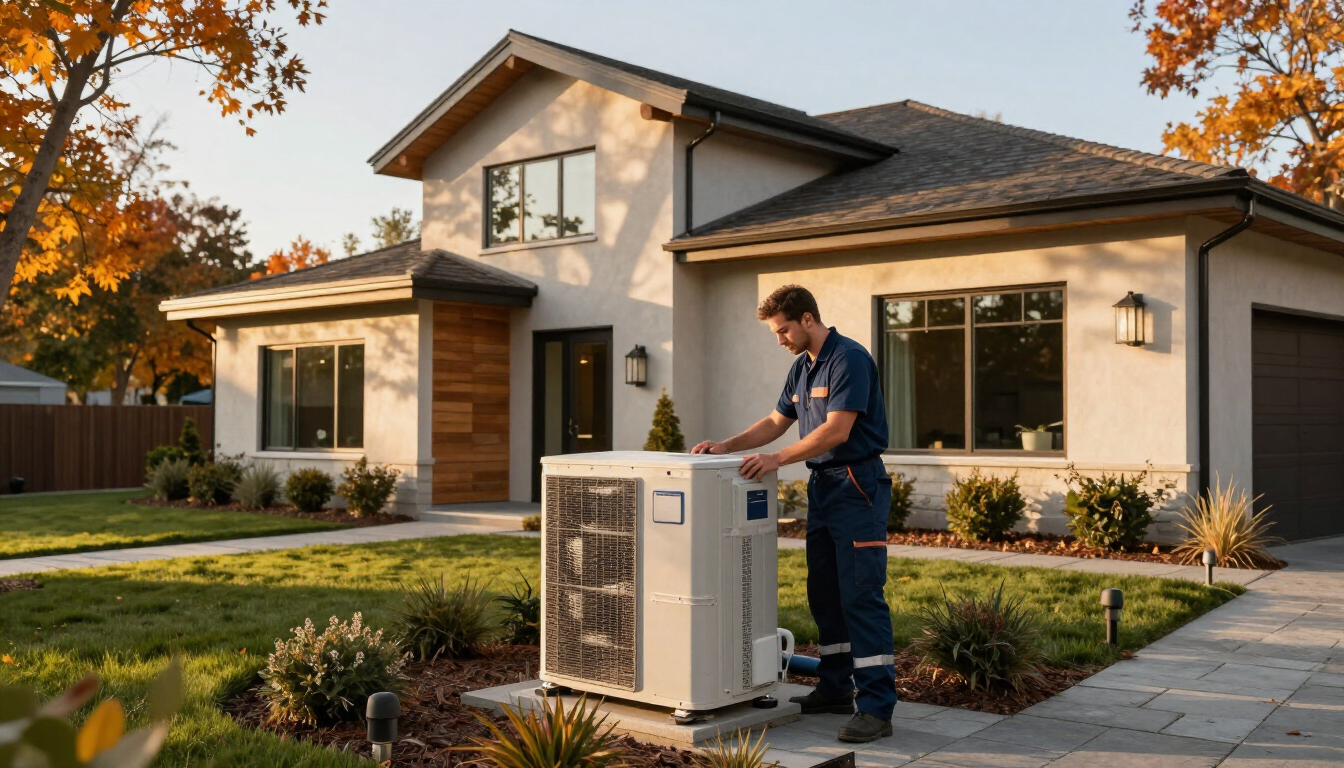
Fall HVAC tips: technician preparing a California home system
September 23, 2026
Prepare your San Diego County home for fall with seven practical fall HVAC tips, from tune-ups and filter changes to thermostat settings and indoor air quality.
A modern HVAC unit outside a San Diego home.
July 27, 2026
Is your HVAC system making weird sounds? Learn which rattles, squeals, and buzzes require immediate repair to avoid costly breakdowns and safety hazards.
Professional HVAC technician performing a maintenance check on a residential unit.
July 10, 2026
Learn why regular HVAC maintenance checks are essential for San Diego homeowners. Discover how to save money, improve air quality, and prevent breakdowns with NextWave.
Technician inspecting an air conditioning unit for summer prep.
June 19, 2026
Ensure your San Diego home stays cool. Follow our expert guide to AC maintenance, from simple DIY tips to professional tune-ups with NextWave Heating and Air.
Modern smart thermostat showing energy efficient settings for summer cooling.
June 4, 2026
Discover practical tips to save electricity during summer in San Diego. Learn how to optimize your HVAC, use smart thermostats, and reduce cooling costs effectively.
By Webster vejano • May 15, 2026
Stay Cool and Avoid Costly Breakdowns With These Early Warning Signs From Your HVAC System
By doug • January 20, 2026
What if I told you that most systems aren't working the way they were designed and aren't hitting the efficiency ratings that your hvac contractor said it was? It usually comes down to improper airflow. Your Hvac system's airflow is probably the biggest limiting factor for its efficiency and costing you lots of money every year and you probably don't even know it. Let's go over why it's so important and how we can make sure that you Heating and Air conditioning system is working at peak performance!
Show More