
5 Fall HVAC Maintenance Tips for San Diego Homes

October 29, 2026

Share this article

Fall HVAC maintenance in San Diego means preparing your heating and cooling system for cooler nights, dusty Santa Ana winds, and changing indoor comfort needs. A seasonal tune-up, clean filter, thermostat check, and professional inspection can improve reliability, energy efficiency, air quality, and comfort before winter arrives.

Why does fall HVAC maintenance matter in San Diego?

San Diego’s mild climate can make HVAC maintenance easy to postpone. After all, your furnace or heat pump may only work hard for a few months each year. But that long stretch of lighter use can allow dust, worn components, clogged filters, and small electrical issues to hide in plain sight.

When temperatures dip at night, your system has to switch from occasional cooling to dependable heating. That first chilly evening is a terrible time to discover that the blower has stage fright.

Fall maintenance can help you:

  • Catch small problems before they become emergency repairs
  • Improve heating performance and energy efficiency
  • Reduce unusual noises, odors, and uneven temperatures
  • Support healthier indoor air during closed-window weather
  • Extend the useful life of your equipment

San Diego County homeowners can also benefit from checking both sides of the system. A heat pump may provide cooling and heating, while a traditional setup may pair an air conditioner with a furnace. The right maintenance plan depends on your equipment and your home’s comfort needs.

Technician inspecting a residential HVAC system in San Diego

5 fall HVAC maintenance tips for San Diego homes

1. Replace or clean the air filter

A dirty filter restricts airflow, forcing your system to work harder. That can increase energy use and place extra strain on the blower and other components.

Check your filter before heating season begins. Many standard filters need replacement every one to three months, though the schedule varies based on filter type, pets, allergies, construction dust, and household size.

Choose the filter recommended for your equipment. A filter that is too restrictive can reduce airflow just as surely as a neglected filter. If you are unsure which one to use, ask a professional during a heating service appointment .

2. Test your thermostat

Switch your thermostat to heat and raise the setting a few degrees above the current room temperature. Give the system several minutes to respond, then check that warm air is reaching the rooms you use most.

Watch for warning signs such as:

  • The system starts and stops repeatedly
  • The thermostat display is blank or inaccurate
  • Some rooms stay cold while others overheat
  • The system blows cool air for an unusually long time
  • You hear clicking, rattling, or grinding sounds

Smart thermostats can make temperature control easier, but they still need correct settings and compatible wiring. If you are considering an upgrade, explore smart and efficient comfort options .

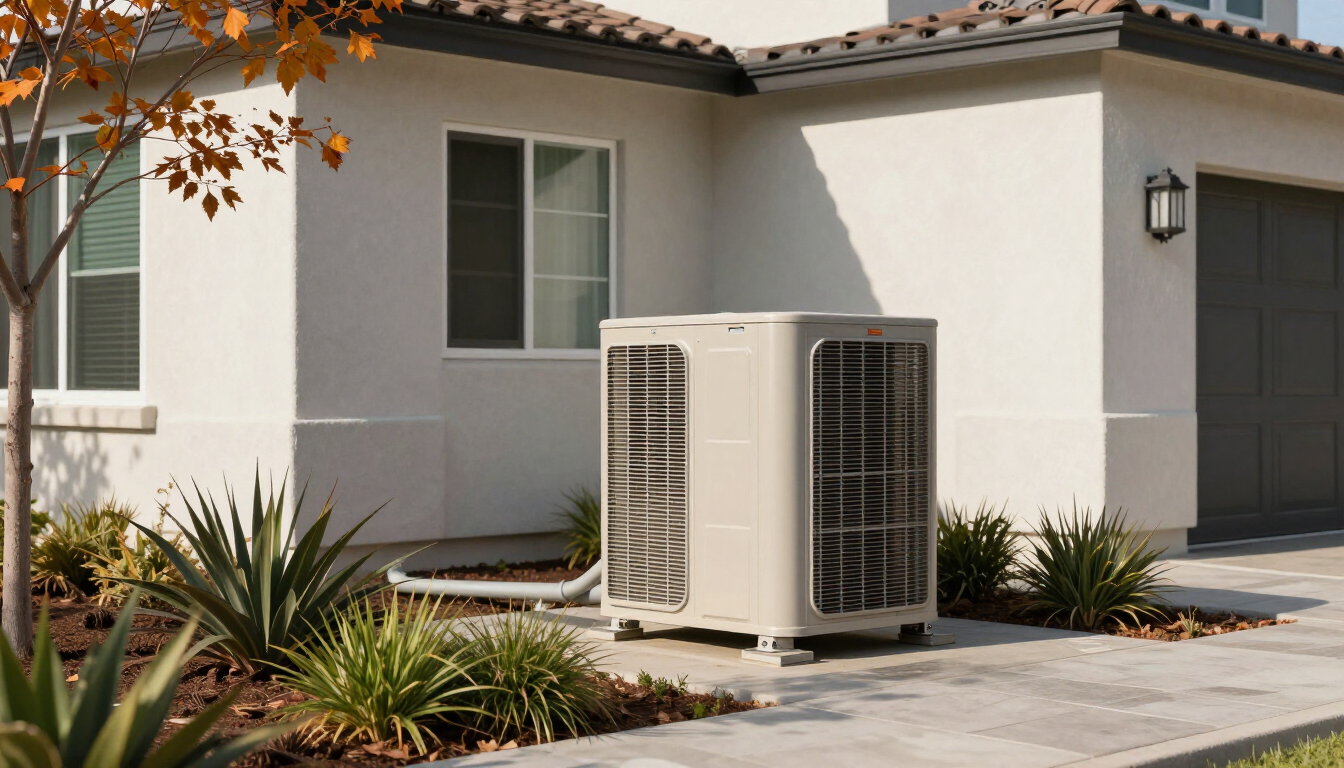
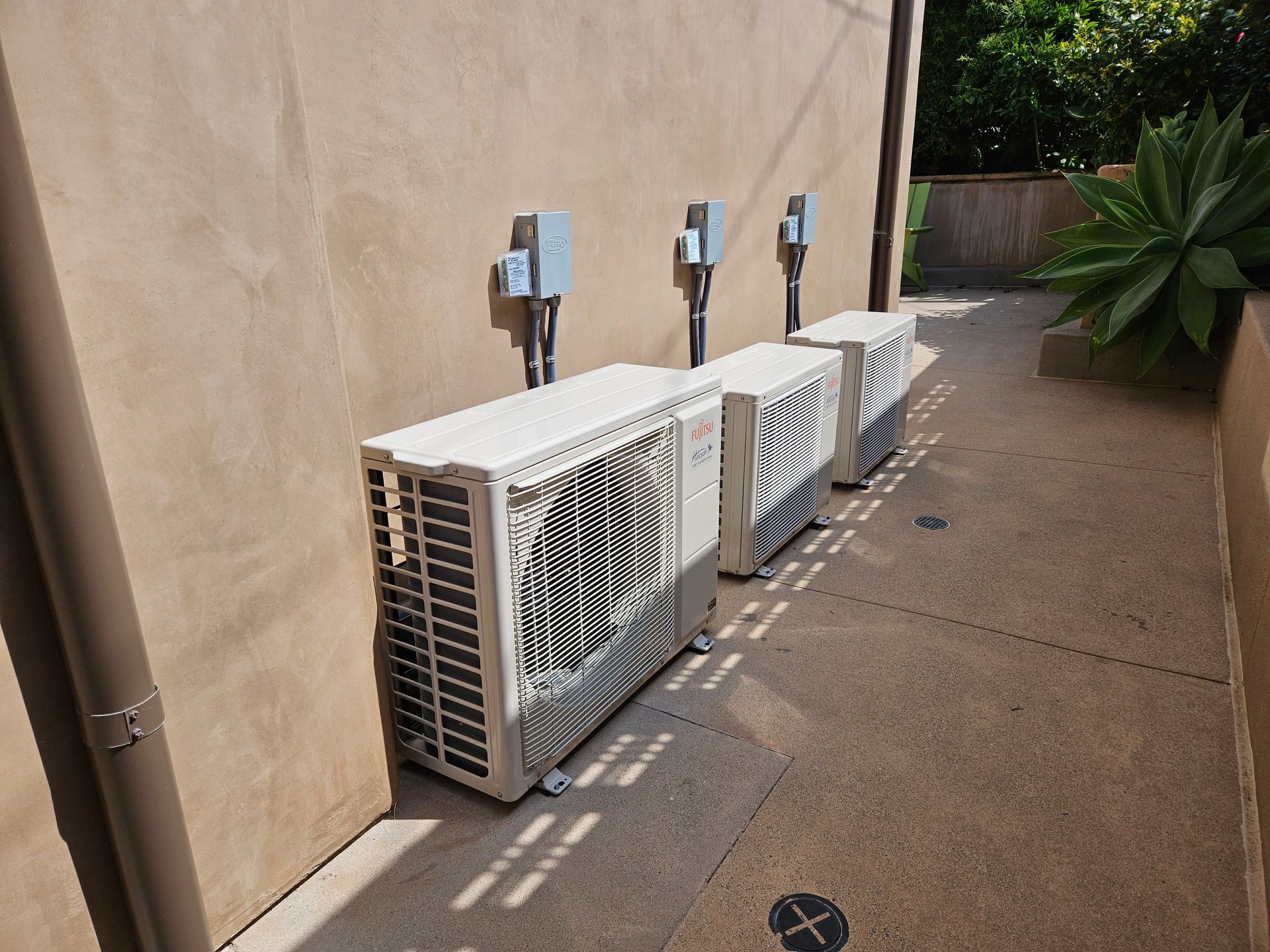
3. Clear the outdoor unit

Leaves, dust, mulch, and landscaping can collect around an outdoor condenser or heat pump. Carefully remove visible debris and maintain several feet of clearance around the unit so it can breathe.

Do not bend delicate fins, open electrical panels, or spray components aggressively. Outdoor equipment contains electrical connections and refrigerant lines that are best handled by a trained technician.

San Diego’s dry weather and occasional windy conditions can move more debris into the equipment than you might expect. A quick visual check now can prevent airflow problems later.

Clean outdoor heat pump beside a San Diego home

4. Check vents and airflow

Walk through the home and make sure supply vents and return grilles are open and unobstructed. Furniture, rugs, curtains, and storage boxes can block airflow without anyone noticing.

You can also compare temperatures from room to room. Persistent hot or cold spots may indicate duct leaks, insulation issues, poor balancing, or equipment that no longer matches the home’s needs.

Never close a large number of vents to force air into another room. That can increase duct pressure and make the system less efficient. A professional airflow assessment can identify the actual cause.

5. Schedule a professional heating inspection

A homeowner can replace a filter and test a thermostat, but professional fall HVAC maintenance goes deeper. A technician can inspect electrical connections, motors, controls, safety components, refrigerant-related issues, drainage, ductwork, and overall system performance.

For furnaces, a professional should also check combustion and ventilation-related safety concerns. For heat pumps, the inspection may include defrost operation, refrigerant performance, and reversing-valve function.

If repairs or replacement are recommended, ask for a clear explanation of urgency, options, expected benefits, and estimated cost. You can also review recent HVAC projects to see examples of professional work.

What can homeowners safely do themselves?

Simple maintenance is useful, but it has limits. Homeowners can generally:

  • Replace the air filter
  • Remove leaves and debris around the outdoor unit
  • Keep vents and returns clear
  • Test heating and cooling modes
  • Check thermostat batteries and settings
  • Note unusual sounds, smells, or performance changes

Turn the system off and contact a qualified professional if you smell gas, see damaged wiring, notice burning odors, find water near electrical equipment, or suspect a refrigerant leak. Comfort is important; improvising with live electrical components is not a personality trait worth developing.

How often should San Diego HVAC systems be serviced?

Most residential HVAC systems benefit from professional service at least once a year. If your home uses separate heating and cooling equipment, scheduling service before the primary heating and cooling seasons can be helpful. Heat pumps may benefit from more regular attention because they operate in both modes.

Service frequency may also increase when a home has pets, allergies, heavy dust, older equipment, renovation debris, or persistent airflow problems. Your technician can recommend a schedule based on the system’s age, condition, and usage.

For more ways to improve the air your household breathes, visit Indoor Air Quality . Better filtration, ventilation, and humidity control can complement routine HVAC maintenance.

Comfortable San Diego living room with clean airflow and smart thermostat

What are the signs your heating system needs attention?

Call for service when you notice a pattern rather than waiting for a complete breakdown. Common warning signs include delayed startup, weak airflow, frequent cycling, uneven temperatures, rising utility bills, unusual smells, or a system that struggles to reach the thermostat setting.

A mild burning smell when a furnace starts for the first time can come from dust settling during inactivity and should fade quickly. A persistent burning, electrical, or gas odor is different: turn the system off, leave the area if needed, and seek professional help.

Older systems may also need evaluation when repair costs become frequent or comfort remains inconsistent. Maintenance can improve operation, but it cannot make aging equipment young again—sadly, HVAC systems have not yet discovered the fountain of youth.

Your fall comfort checklist

Fall HVAC maintenance in San Diego is mostly about being proactive. Replace the filter, clear the outdoor equipment, test the thermostat, confirm good airflow, and arrange a professional inspection before cooler weather settles in.

Take the next step based on what you find:

A little attention in fall can mean steadier warmth, cleaner airflow, fewer surprises, and a more comfortable home when San Diego’s evenings finally remind everyone that winter exists.

Recent Posts

Heat pump outdoor unit helping a San Diego home save energy
October 22, 2026
Learn how a heat pump heats and cools your San Diego home, works in cold and warm weather, and can lower energy costs compared with traditional systems.
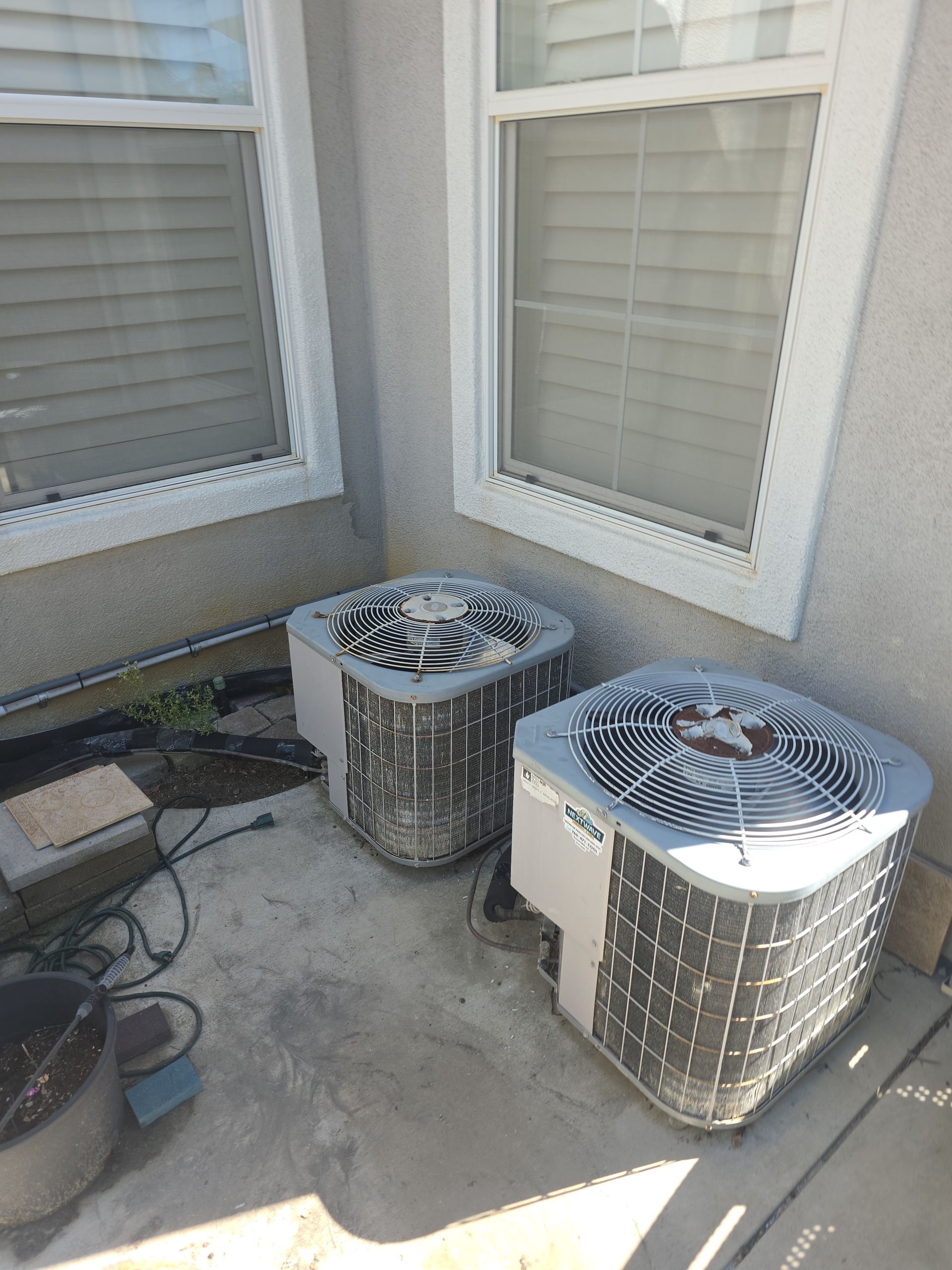
HVAC maintenance in San Diego on a residential air conditioner
October 19, 2026
Learn how HVAC maintenance in San Diego helps prevent breakdowns, improve efficiency, and keep your home comfortable through changing coastal and inland weather.
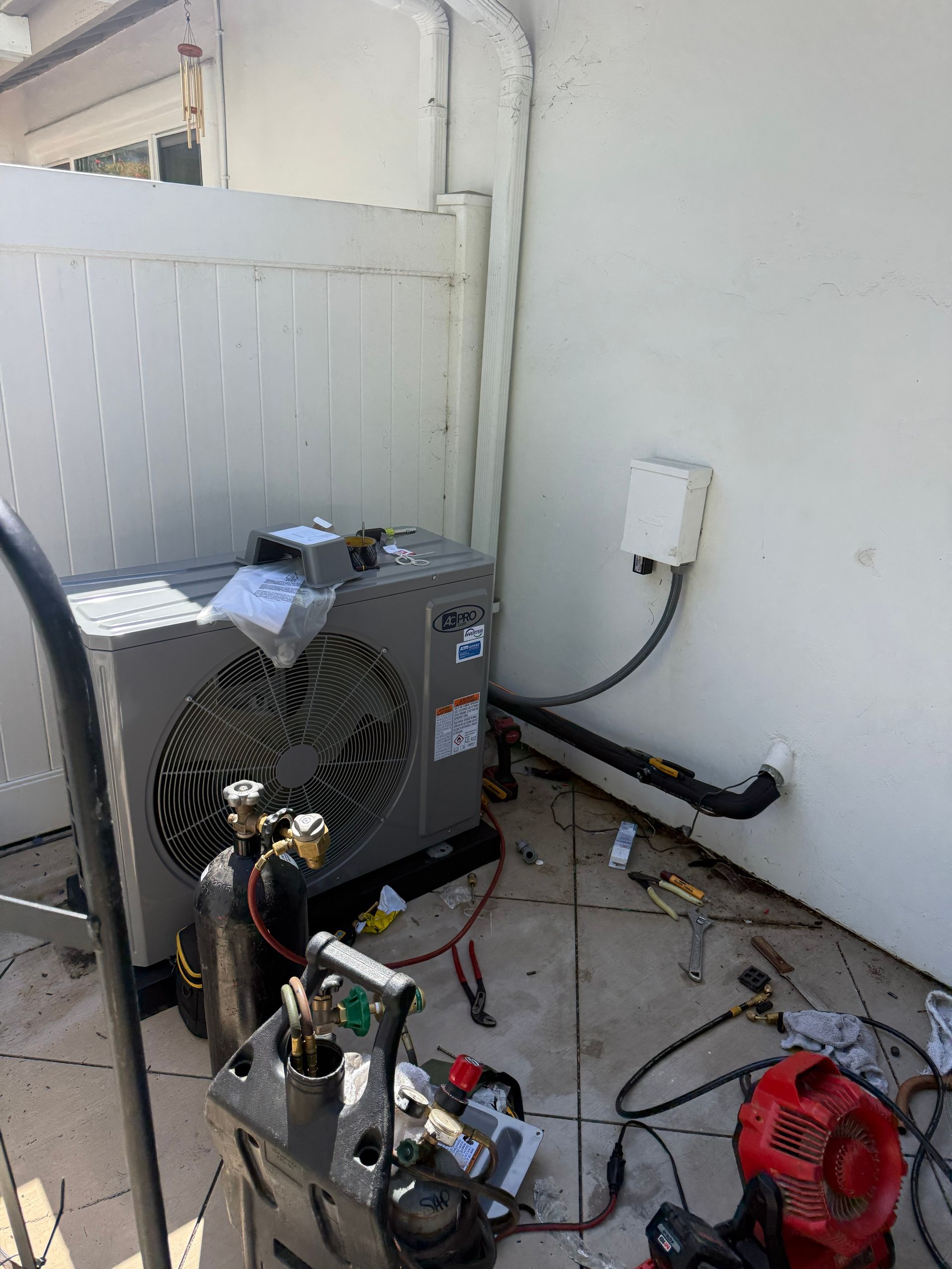
Furnace preparation before cold weather
October 6, 2026
Furnace preparation tips for San Diego County homeowners: learn what to check, when to schedule service, and how to avoid a cold-night breakdown.
HVAC maintenance inspection for a San Diego home
September 30, 2026
Learn why HVAC maintenance matters even when your system seems fine—and how preventive service can improve comfort, efficiency, air quality, and reliability in North San Diego homes.
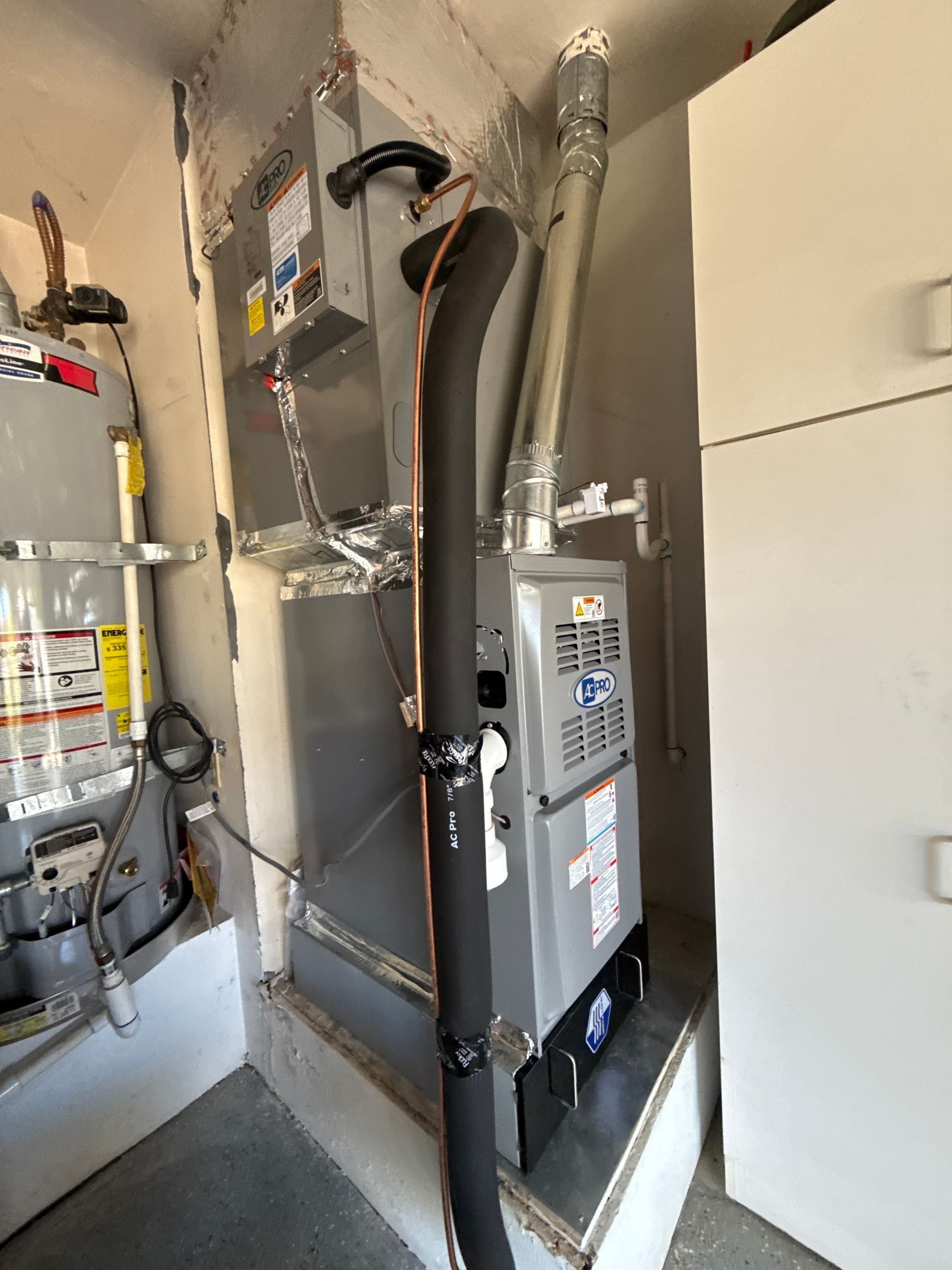
Fall HVAC tips: technician preparing a California home system
September 23, 2026
Prepare your San Diego County home for fall with seven practical fall HVAC tips, from tune-ups and filter changes to thermostat settings and indoor air quality.
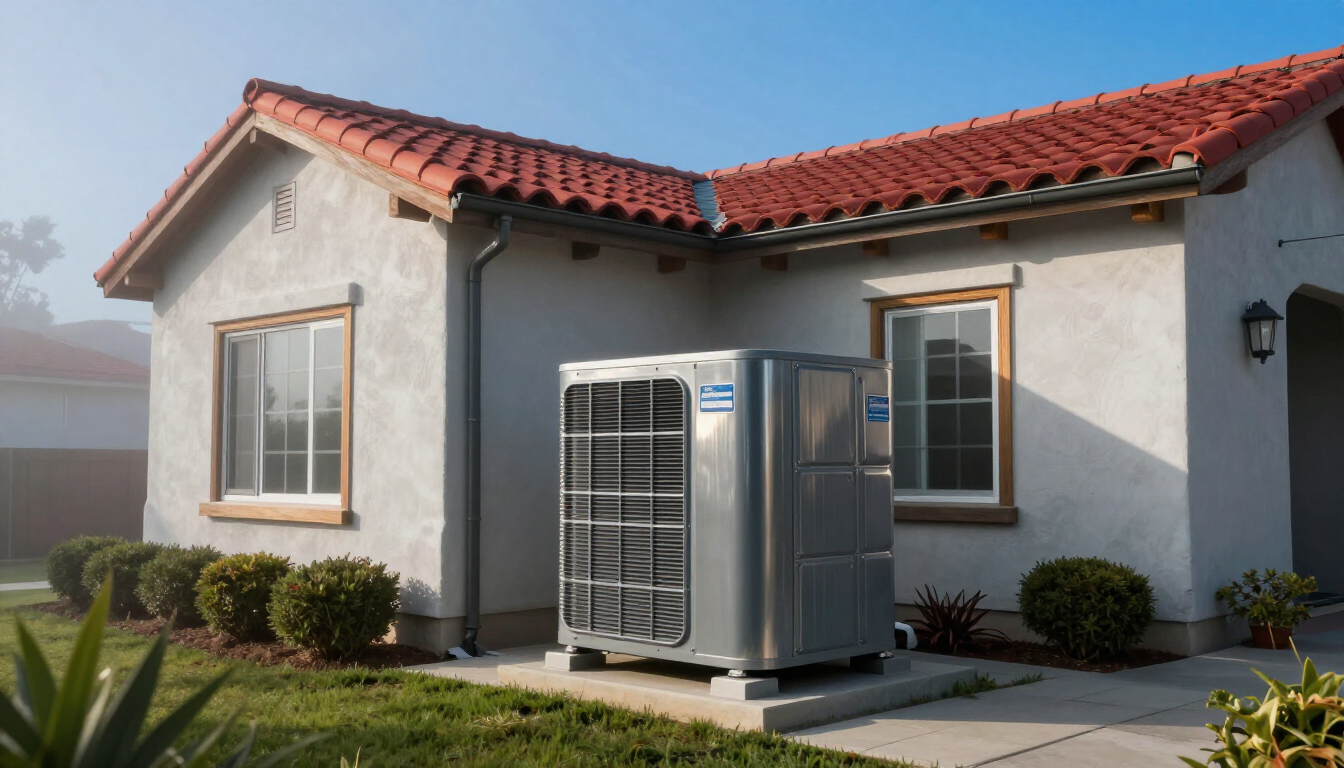
A modern HVAC unit outside a San Diego home.
July 27, 2026
Is your HVAC system making weird sounds? Learn which rattles, squeals, and buzzes require immediate repair to avoid costly breakdowns and safety hazards.
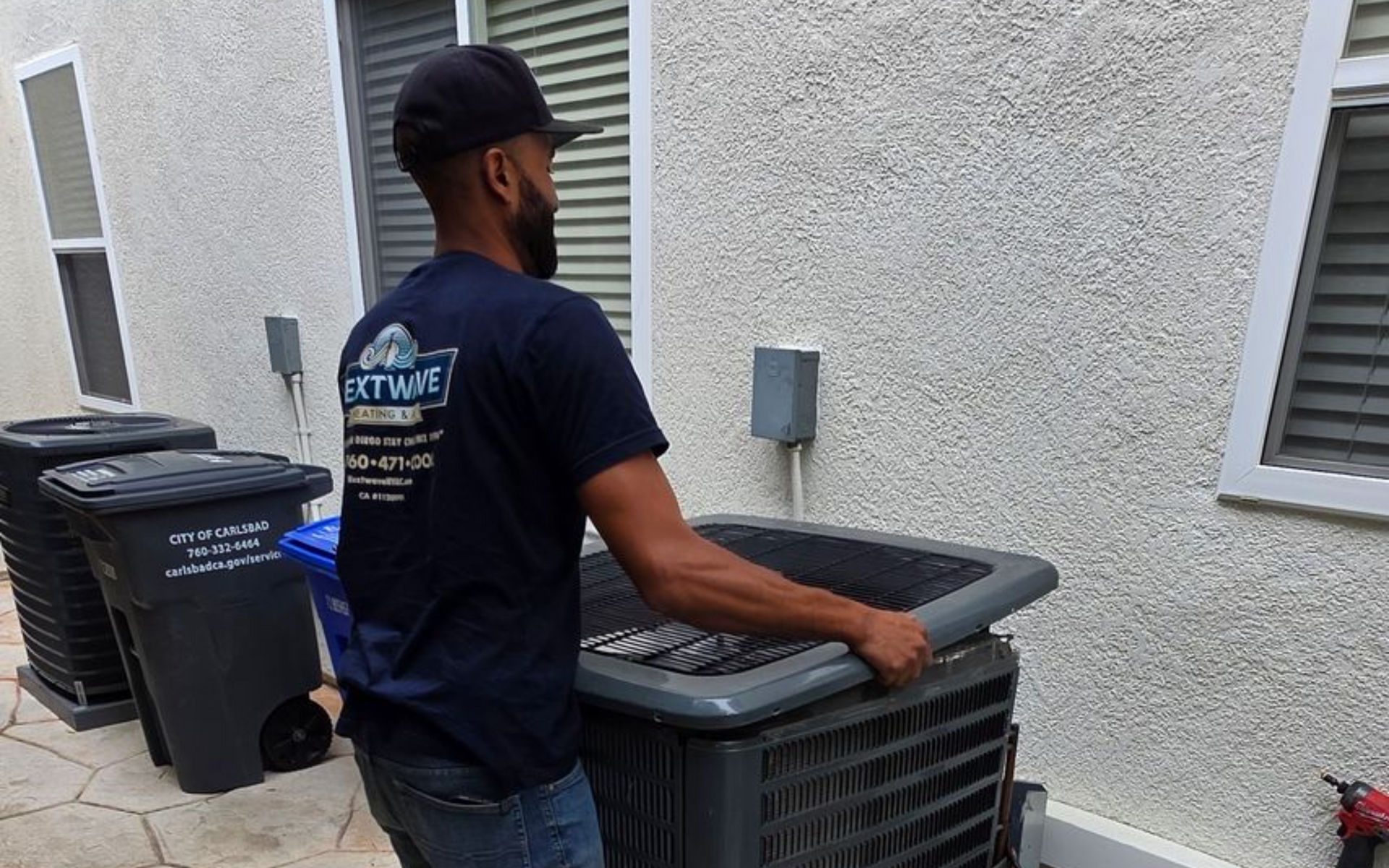
Professional HVAC technician performing a maintenance check on a residential unit.
July 10, 2026
Learn why regular HVAC maintenance checks are essential for San Diego homeowners. Discover how to save money, improve air quality, and prevent breakdowns with NextWave.
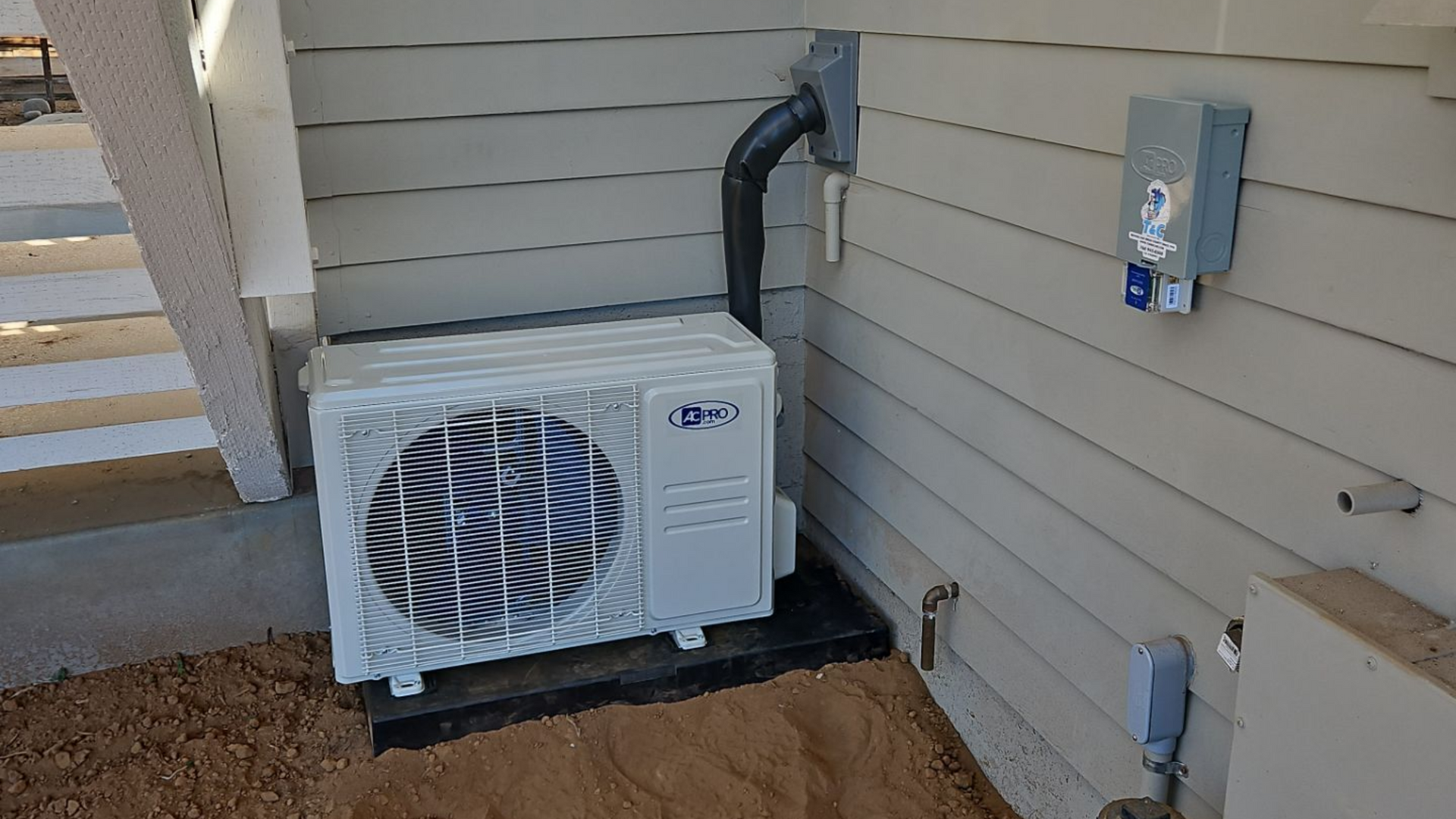
Technician inspecting an air conditioning unit for summer prep.
June 19, 2026
Ensure your San Diego home stays cool. Follow our expert guide to AC maintenance, from simple DIY tips to professional tune-ups with NextWave Heating and Air.
Modern smart thermostat showing energy efficient settings for summer cooling.
June 4, 2026
Discover practical tips to save electricity during summer in San Diego. Learn how to optimize your HVAC, use smart thermostats, and reduce cooling costs effectively.
By Webster vejano • May 15, 2026
Stay Cool and Avoid Costly Breakdowns With These Early Warning Signs From Your HVAC System
Show More